Victor Negrescu leads the foresight exercise that redesigns the European Parliament for 2040
Liviu Brăteanu


Current Affairs
STR/NurPhoto / Shutterstock Editorial / Profimedia

Always see our news on Google
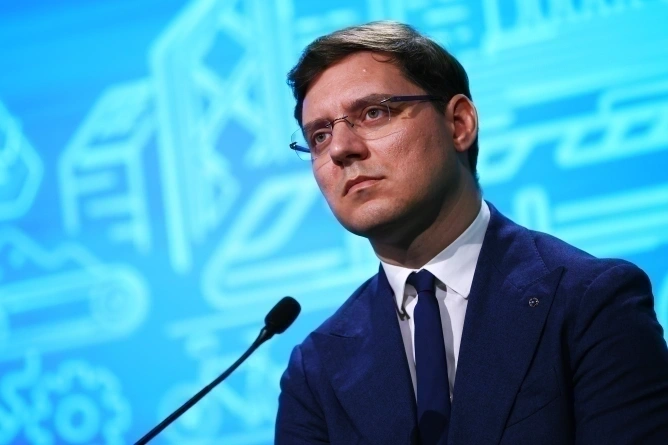
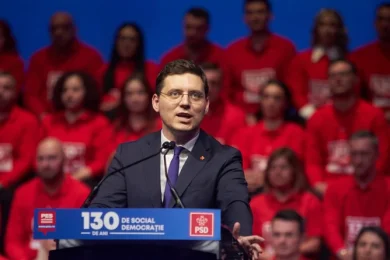
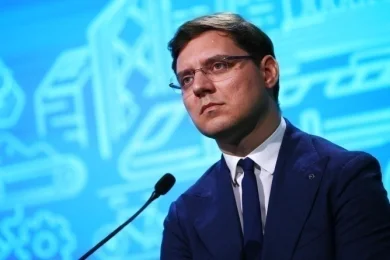
The Vice-President of the European Parliament, Victor Negrescu, announced the establishment of the analysis themes for the Reflection Group on the future of the EP, during the second working meeting held in Brussels on February 10. The Romanian MEP, who initiated and coordinates this endeavor approved by the Bureau of the European Parliament, is preparing a comprehensive document based on foresight scenarios that will outline what the institution might look like by the year 2040.
In short
Victor Negrescu coordinates the Reflection Group on the future of the European Parliament, established at his initiative and approved by the EP Bureau. The group includes three vice-presidents of the EP, one vice-president of a political group, and a delegation leader, representing all political groups. The established themes include the role of the EP in initiating policies, democratic control, simplifying the legislative process, EU enlargement, and the impact of digitalization and AI. A first document with scenarios will be presented to the EP Bureau in September 2026, with the final document containing recommendations to be completed by the end of the term. The exercise uses a foresight methodology and is inspired by the Future Committee model from the Finnish Parliament.
The initiative is the result of an effort that Negrescu launched about a year ago when he raised the subject in the Bureau of the European Parliament. The governing body of the institution adopted two decisions in this regard, officially establishing the reflection group and entrusting its coordination to Negrescu. The group benefits from high-level political representation. It includes three vice-presidents of the European Parliament, one vice-president of a political group, and an important delegation leader, along with representatives from all political groups in the EP. This composition, Negrescu emphasizes, reflects "the significance and relevance of this process."
The stated goal is to create a comprehensive document that presents how the European Parliament could look in the perspective of 2040. The chosen approach is foresight - a methodology of prospective analysis recognized internationally. "We will go for the ideal area for us, a neutral, academic area, where we present multiple scenarios," said Negrescu. He also specified that, "being a reflection group where we have high-level political representation, the political filter will matter."
The analysis themes were established by consulting the political groups during the working meeting on February 10. They cover the role of the European Parliament in initiating European policies, democratic control and how it is exercised, simplifying and accelerating the legislative process, transparency for citizens, managing the EP in the context of EU enlargement, the impact of digitalization and artificial intelligence on European parliamentary democracy, as well as the functioning of the EP in crisis situations.
The analysis takes place across multiple dimensions, using the STEEP framework and focusing on societal, technological, economic, environmental, and political dimensions, the latter covering both the internal policy of the EU and external influences.
At the level of the EP, there is already a team dedicated to foresight exercises, and at the level of the European institutions, there is a foresight coordination group, in which each institution is represented. "We have been doing this for a long time, it is under my coordination, as vice-president of the European Parliament," emphasized Negrescu. He added that the working model is "somewhat similar to what happens in the Finnish Parliament, where there is also a committee on the future."
The Future Committee of the Finnish Parliament, to which Negrescu refers, is the only permanent parliamentary committee in the world dedicated exclusively to future analysis. Established in 1993 as a temporary committee during the severe recession Finland was experiencing, it received permanent status around the year 2000 and brings together 17 of the 200 Finnish parliamentarians. Its main mission is to formulate the Parliament's response to the Government's Report on the Future - a document that every Finnish executive is obliged to publish during its term. The committee's resolutions are binding for the government during the term, and its political influence has been considerable: one of its former chairs, Jyrki Katainen, became prime minister, and the committee's report on the information society was almost entirely integrated into the government program.
The Finnish model has already inspired similar initiatives in the parliaments of Lithuania, the Philippines, and Paraguay, and the European Parliament Research Service (EPRS) has cited it as a reference for developing strategic foresight at the EP level. However, there is a significant difference in institutional weight. The Finnish committee is a permanent parliamentary body with formal powers, while the group coordinated by Negrescu is an ad-hoc reflection group, whose mandate ends with the legislature, and the final document will be approved by the EP Bureau, not voted on in plenary.
Negrescu explained the fundamental rationale for the endeavor: "Every European law, every European decision has consequences for the future, and it is important to plan precisely to anticipate any challenges we might face as an institution." The timeline provides for a first document to be presented to the Bureau of the European Parliament by September 2026. This will contain the contextual analysis with the identified challenges and the scenarios built on the various themes. "We want to do two important elements, to make the contextual analysis with the challenges and we want to build some scenarios on the different themes and questions that have already arisen from the dialogue with the political groups," Negrescu specified. After the approval of this first stage, the actual recommendations will be developed, and the complete document will be finalized by the end of the legislative term.
The Vice-President of the EP indicated that the period after September could also mark the opening of the process towards citizen and civil society participation. "I believe it will be a very good moment for a broader dialogue and also for the participation of citizens, of civil society in this dialogue, with the idea of shaping some consistent recommendations," said Negrescu. The final document will be approved by the Bureau of the European Parliament. "We will come up with a series of recommendations, and the document will be approved by the Bureau of the European Parliament, with the evident hope that some of the recommendations will later be taken up by the political groups," said Negrescu. He emphasized that the involvement of political groups at a very high level gives "consistency to the document and relevance in its subsequent implementation," even if the actual implementation will exceed the current mandate.
Victor Negrescu (S&D/PSD Romania) was elected vice-president of the European Parliament in July 2024. In this capacity, he is responsible for the research services of the EP, including coordinating foresight activities. He is also vice-president of the Party of European Socialists (PES). The initiative of the reflection group fits into the broader context of discussions on the institutional reform of the EU, accelerated by the prospect of enlargement with Ukraine, Moldova, and the Western Balkan states. At the level of the EP, Negrescu is already coordinating foresight activities and is responsible for the relationship with the Panel for the Future of Science and Technology (STOA) and the European Strategic Analysis and Policy System (ESPAS).
In short
Victor Negrescu coordinates the Reflection Group on the future of the European Parliament, established at his initiative and approved by the EP Bureau. The group includes three vice-presidents of the EP, one vice-president of a political group, and a delegation leader, representing all political groups. The established themes include the role of the EP in initiating policies, democratic control, simplifying the legislative process, EU enlargement, and the impact of digitalization and AI. A first document with scenarios will be presented to the EP Bureau in September 2026, with the final document containing recommendations to be completed by the end of the term. The exercise uses a foresight methodology and is inspired by the Future Committee model from the Finnish Parliament.
The initiative is the result of an effort that Negrescu launched about a year ago when he raised the subject in the Bureau of the European Parliament. The governing body of the institution adopted two decisions in this regard, officially establishing the reflection group and entrusting its coordination to Negrescu. The group benefits from high-level political representation. It includes three vice-presidents of the European Parliament, one vice-president of a political group, and an important delegation leader, along with representatives from all political groups in the EP. This composition, Negrescu emphasizes, reflects "the significance and relevance of this process."
The stated goal is to create a comprehensive document that presents how the European Parliament could look in the perspective of 2040. The chosen approach is foresight - a methodology of prospective analysis recognized internationally. "We will go for the ideal area for us, a neutral, academic area, where we present multiple scenarios," said Negrescu. He also specified that, "being a reflection group where we have high-level political representation, the political filter will matter."
The analysis themes were established by consulting the political groups during the working meeting on February 10. They cover the role of the European Parliament in initiating European policies, democratic control and how it is exercised, simplifying and accelerating the legislative process, transparency for citizens, managing the EP in the context of EU enlargement, the impact of digitalization and artificial intelligence on European parliamentary democracy, as well as the functioning of the EP in crisis situations.
The analysis takes place across multiple dimensions, using the STEEP framework and focusing on societal, technological, economic, environmental, and political dimensions, the latter covering both the internal policy of the EU and external influences.
At the level of the EP, there is already a team dedicated to foresight exercises, and at the level of the European institutions, there is a foresight coordination group, in which each institution is represented. "We have been doing this for a long time, it is under my coordination, as vice-president of the European Parliament," emphasized Negrescu. He added that the working model is "somewhat similar to what happens in the Finnish Parliament, where there is also a committee on the future."
The Future Committee of the Finnish Parliament, to which Negrescu refers, is the only permanent parliamentary committee in the world dedicated exclusively to future analysis. Established in 1993 as a temporary committee during the severe recession Finland was experiencing, it received permanent status around the year 2000 and brings together 17 of the 200 Finnish parliamentarians. Its main mission is to formulate the Parliament's response to the Government's Report on the Future - a document that every Finnish executive is obliged to publish during its term. The committee's resolutions are binding for the government during the term, and its political influence has been considerable: one of its former chairs, Jyrki Katainen, became prime minister, and the committee's report on the information society was almost entirely integrated into the government program.
The Finnish model has already inspired similar initiatives in the parliaments of Lithuania, the Philippines, and Paraguay, and the European Parliament Research Service (EPRS) has cited it as a reference for developing strategic foresight at the EP level. However, there is a significant difference in institutional weight. The Finnish committee is a permanent parliamentary body with formal powers, while the group coordinated by Negrescu is an ad-hoc reflection group, whose mandate ends with the legislature, and the final document will be approved by the EP Bureau, not voted on in plenary.
Negrescu explained the fundamental rationale for the endeavor: "Every European law, every European decision has consequences for the future, and it is important to plan precisely to anticipate any challenges we might face as an institution." The timeline provides for a first document to be presented to the Bureau of the European Parliament by September 2026. This will contain the contextual analysis with the identified challenges and the scenarios built on the various themes. "We want to do two important elements, to make the contextual analysis with the challenges and we want to build some scenarios on the different themes and questions that have already arisen from the dialogue with the political groups," Negrescu specified. After the approval of this first stage, the actual recommendations will be developed, and the complete document will be finalized by the end of the legislative term.
The Vice-President of the EP indicated that the period after September could also mark the opening of the process towards citizen and civil society participation. "I believe it will be a very good moment for a broader dialogue and also for the participation of citizens, of civil society in this dialogue, with the idea of shaping some consistent recommendations," said Negrescu. The final document will be approved by the Bureau of the European Parliament. "We will come up with a series of recommendations, and the document will be approved by the Bureau of the European Parliament, with the evident hope that some of the recommendations will later be taken up by the political groups," said Negrescu. He emphasized that the involvement of political groups at a very high level gives "consistency to the document and relevance in its subsequent implementation," even if the actual implementation will exceed the current mandate.
Victor Negrescu (S&D/PSD Romania) was elected vice-president of the European Parliament in July 2024. In this capacity, he is responsible for the research services of the EP, including coordinating foresight activities. He is also vice-president of the Party of European Socialists (PES). The initiative of the reflection group fits into the broader context of discussions on the institutional reform of the EU, accelerated by the prospect of enlargement with Ukraine, Moldova, and the Western Balkan states. At the level of the EP, Negrescu is already coordinating foresight activities and is responsible for the relationship with the Panel for the Future of Science and Technology (STOA) and the European Strategic Analysis and Policy System (ESPAS).
Sources


Latest News
08:55
The order to limit Starshield service for Ukraine came from inside the White House, according to sources cited by Reuters
08:49
Forbes estimates Ion Țiriac’s wealth at $2.2 billion
08:35
Accident on the A1 in Arad: seven people were taken to hospital
08:34
USR will decide today, in an online meeting, whether or not it will vote to invest the Luca Niculescu Government
08:17
An attacker killed three children and an adult at an elementary school in Bend
See more news
NEWS ON THE SAME TOPICS
.webp)

Personalized news feed, AI-powered search, and notifications in a more interactive experience.