Snoop Investigation: how Romanians’ data reaches Russia through online advertisements
Nicoleta Onofrei


Current Affairs
FOTO: Shutterstock

Always see our news on Google
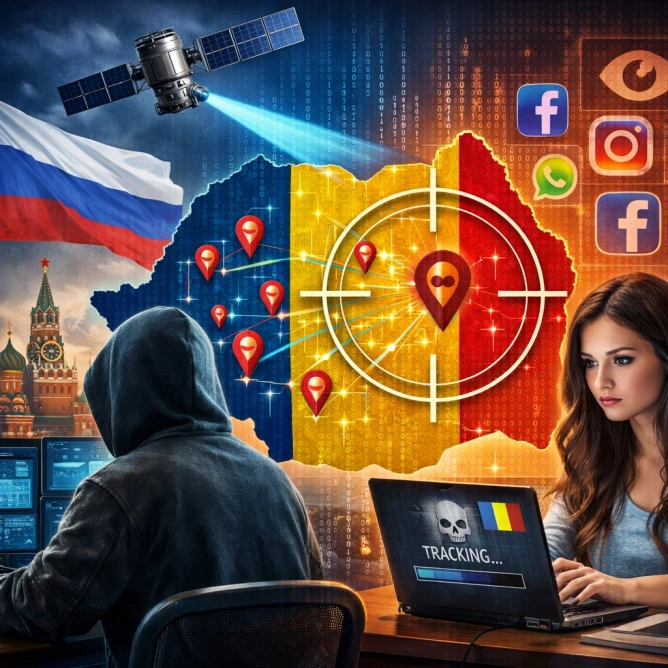
An investigation published Wednesday by the independent website Snoop shows how the AdNow advertising network collects data about Romanian users and sends it to servers associated with Russian infrastructure in Novosibirsk. For five months, journalist Victor Ilie monitored more than 100,000 advertisements displayed on 131 websites in Eastern Europe.
According to the investigation, AdNow has been used over the past ten years by 79 websites in Romania, including publications, television networks, clickbait platforms and conspiracy websites. The system can assign a unique identifier to a browser and track the same device across multiple websites, gradually reconstructing the user’s interests and behavior.
Snoop claims that the data is collected even when users refuse consent for advertising and tracking. The information first reaches servers in Germany and the Netherlands, and is then transmitted to infrastructure in Russia. The data concerned may include interests related to health, financial situation, political views, conspiracies or astrology.
The investigation shows that these profiles can later be used for online fraud. Users are directed to fake treatments, investments, sweepstakes or get-rich-quick schemes, where they are persuaded to provide their name and telephone number.
Snoop claims that AdNow has Russian origins and ties to people close to Moscow’s political system. The company’s advertisements appear daily on news and sports websites, mobile applications and extremist platforms. Given Russia’s legal framework, information stored on servers there can be accessed by the authorities。","slug":"snoop-investigation-romanians-data-adnow"}.selector? nullได้เงินจริง
According to the investigation, AdNow has been used over the past ten years by 79 websites in Romania, including publications, television networks, clickbait platforms and conspiracy websites. The system can assign a unique identifier to a browser and track the same device across multiple websites, gradually reconstructing the user’s interests and behavior.
Snoop claims that the data is collected even when users refuse consent for advertising and tracking. The information first reaches servers in Germany and the Netherlands, and is then transmitted to infrastructure in Russia. The data concerned may include interests related to health, financial situation, political views, conspiracies or astrology.
The investigation shows that these profiles can later be used for online fraud. Users are directed to fake treatments, investments, sweepstakes or get-rich-quick schemes, where they are persuaded to provide their name and telephone number.
Snoop claims that AdNow has Russian origins and ties to people close to Moscow’s political system. The company’s advertisements appear daily on news and sports websites, mobile applications and extremist platforms. Given Russia’s legal framework, information stored on servers there can be accessed by the authorities。","slug":"snoop-investigation-romanians-data-adnow"}.selector? nullได้เงินจริง
Sources

Snoop: Datele românilor ajung în posesia guvernului Federației Ruse, prin intermediul unor adrese online din Novosibirsk. Jurnaliștii de investigație au decodat rețeaua AdNow

Investigație Snoop: Pirații digitali ai Kremlinului. Datele românilor ajung în posesia guvernului Federației Ruse, prin intermediul unor adrese online din Novosibirsk

Pixelii rusești care ne spionează. Cum vând site-urile românești datele tale la Moscova - SNOOP

Investigație Snoop.ro: Cum ajung datele românilor la companii rusești după ce accesează reclame online | AUDIO
Latest News
22:52
Prime Minister Peter Magyar says that Hungary wants to regain the trust of its European partners after Viktor Orban's years in government
22:34
South African writer Coral Hart has published nearly 400 books with the help of AI and maintains that sales justify the method, despite criticism
22:28
Donald Trump says Canada wants a trade deal, but the US holds “all the cards”
21:56
The Trump administration is seeking to block certification of the Alaska election if Republican Dan Sullivan loses the Senate race
21:29
Finland is preparing a new support package for Ukraine, including military, energy and humanitarian aid
See more news
NEWS ON THE SAME TOPICS


.webp)



Personalized news feed, AI-powered search, and notifications in a more interactive experience.