Transelectrica announces an increase in storage capacity to 1,162 MW, but experts warn about costs passed on to consumers


.webp)

Always see our news on Google
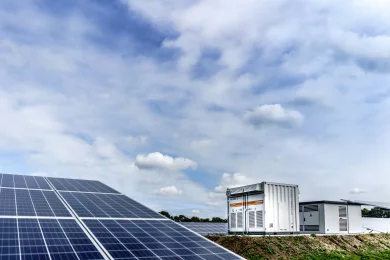
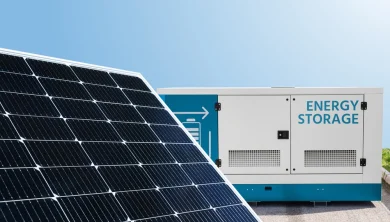
Romania’s electricity storage capacity reached 1,162 MW of installed power and 2,312 MWh of storage capacity on October 1, according to Transelectrica data. There are currently 55 storage units in operation, and the rapid development of batteries could help balance the National Energy System.
The increase is significant compared with the end of June, when Romania had 878 MW and 1,630 MWh. In March last year, there were only 137.2 MW and 269 MWh, meaning the current capacity is approximately 8.4 times higher. Romania recently surpassed the thresholds of 1,000 MW of power and 2,000 MWh of storage capacity.
Batteries charge during periods of surplus production or low consumption and supply energy when the system needs balancing. Transelectrica estimated that approximately 1,000 additional MW in storage installations would be connected by the end of the year.
However, Dumitru Chisăliță, president of the Intelligent Energy Association, warns that investments must be made carefully. Storage does not produce energy; it shifts it over time, with losses and costs. Batteries can become a burden if they are built excessively, poorly located, or if unprofitable investments are recovered through tariffs and support schemes paid by consumers.
Romania remains behind Bulgaria, which had approximately 5.7 GW in batteries in September. At European level, large-scale storage reached 64 GW in 2025, below the target of 200 GW for 2030.
Este nevoie de o traducere corectă a câmpurilor de eveniment furnizate.Sources


Latest News
12:41
12:24
12:04
11:45
11:30
See more news
NEWS ON THE SAME TOPICS
.webp)