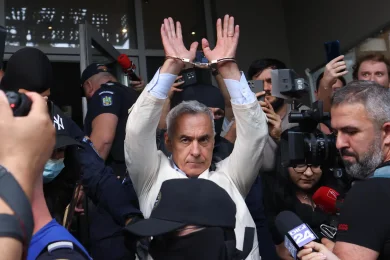
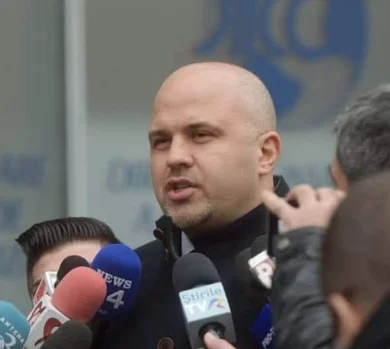
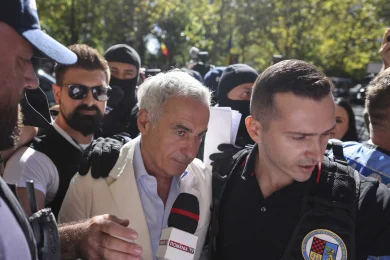
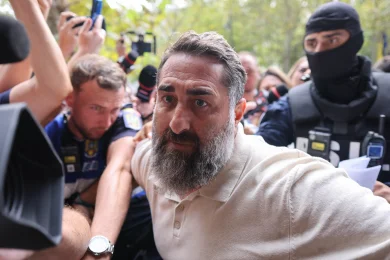
George Pușcaș, Dinamo’s striker, was questioned on Friday by DIICOT in the Nordis case, after being identified as one of the people claiming to have been defrauded by the real estate developer. The footballer is trying to recover part of the sum invested in Nordis projects.
Pușcaș has not played this season due to an injury. His questioning is taking place in the context of the criminal investigation concerning suspicions of forming an organized criminal group and economic crimes.
The Nordis case became publicly known in October 2024, following a Recorder investigation into apartments promised in projects in Sinaia, Brașov, Mamaia, and Bucharest. According to the information presented in the investigation, the company allegedly collected approximately 195 million euros from the sale of apartments that, in some cases, were only at the project stage.
Nordis has more than 1,200 creditors seeking to recover their money. Among them are former footballers Alessandro Caparco, Adrian Ropotan, and Florin Gardoș, as well as Cristi Bărbuț, a player for Unirea Slobozia.
In a recent development, the Bucharest Court of Appeal upheld the appeals filed by Nordis Management SRL and Nordis Mamaia SRL and ordered the lifting of the precautionary measures imposed on certain properties in the residential and hotel complex in Mamaia. The assets, valued at more than 100 million euros, may re-enter administrative or commercial proceedings, but the decision does not halt the DIICOT investigation.
Context: Nordis victims called for the investigation to be expedited, while DIICOT continued investigations into cases involving suspicions of an organized criminal group and financial damages
Before George Pușcaș was questioned at DIICOT in the Nordis case, several people who say they were harmed in this case protested outside the DNA headquarters in Bucharest, calling for the investigation to be expedited and for the responsibilities of the institutions involved to be clarified. The protesters claimed that more than 15 months had passed since a criminal complaint was filed and called for a swift and transparent investigation.
Meanwhile, information also emerged in the public domain about other cases handled by DIICOT, in which investigators targeted suspicions of the formation of an organized criminal group and economic crimes. In these cases, searches were conducted and precautionary measures were imposed, while questioning continued at DIICOT headquarters.