Rome opens the new Museum of Trajan’s Baths, featuring spectacular Roman frescoes and mosaics
Liviu Brăteanu



International
Foto: Pixabay

Always see our news on Google
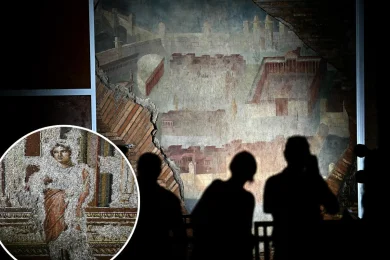
The new Museum of Trajan’s Baths will open its doors next weekend in Rome, offering the public access to Roman works of exceptional value. The main attractions include a monumental fresco depicting an as-yet-unidentified city in the Roman Empire and one of the largest known mosaics from the imperial period.
The museum is housed at the archaeological site of Trajan’s Baths, built on Oppian Hill near the Colosseum. Construction was begun by Emperor Trajan in AD 104, according to plans by the architect Apollodorus of Damascus, and the complex was inaugurated in 109. At the time, the baths covered approximately 60,000 square meters.
The fresco “La città dipinta” is still undergoing restoration, while the mosaic “Musa e filosofo” has retained its colors and depicts figures with remarkable realism. Rome’s authorities consider them to be among the most important artistic and documentary discoveries from the Roman era.
In September, the museum will be open only on weekends, to groups of no more than 15 people. From October, visits will be possible on Fridays, Saturdays, and Sundays, with access to be expanded later, depending on the need to protect the works of art.-economically translated without facts.
The museum is housed at the archaeological site of Trajan’s Baths, built on Oppian Hill near the Colosseum. Construction was begun by Emperor Trajan in AD 104, according to plans by the architect Apollodorus of Damascus, and the complex was inaugurated in 109. At the time, the baths covered approximately 60,000 square meters.
The fresco “La città dipinta” is still undergoing restoration, while the mosaic “Musa e filosofo” has retained its colors and depicts figures with remarkable realism. Rome’s authorities consider them to be among the most important artistic and documentary discoveries from the Roman era.
In September, the museum will be open only on weekends, to groups of no more than 15 people. From October, visits will be possible on Fridays, Saturdays, and Sundays, with access to be expanded later, depending on the need to protect the works of art.
The museum is housed at the archaeological site of Trajan’s Baths, built on Oppian Hill near the Colosseum. Construction was begun by Emperor Trajan in AD 104, according to plans by the architect Apollodorus of Damascus, and the complex was inaugurated in 109. At the time, the baths covered approximately 60,000 square meters.
The fresco “La città dipinta” is still undergoing restoration, while the mosaic “Musa e filosofo” has retained its colors and depicts figures with remarkable realism. Rome’s authorities consider them to be among the most important artistic and documentary discoveries from the Roman era.
In September, the museum will be open only on weekends, to groups of no more than 15 people. From October, visits will be possible on Fridays, Saturdays, and Sundays, with access to be expanded later, depending on the need to protect the works of art.
The museum is housed at the archaeological site of Trajan’s Baths, built on Oppian Hill near the Colosseum. Construction was begun by Emperor Trajan in AD 104, according to plans by the architect Apollodorus of Damascus, and the complex was inaugurated in 109. At the time, the baths covered approximately 60,000 square meters.
The fresco “La città dipinta” is still undergoing restoration, while the mosaic “Musa e filosofo” has retained its colors and depicts figures with remarkable realism. Rome’s authorities consider them to be among the most important artistic and documentary discoveries from the Roman era.
In September, the museum will be open only on weekends, to groups of no more than 15 people. From October, visits will be possible on Fridays, Saturdays, and Sundays, with access to be expanded later, depending on the need to protect the works of art.
The museum is housed at the archaeological site of Trajan’s Baths, built on Oppian Hill near the Colosseum. Construction was begun by Emperor Trajan in AD 104, according to plans by the architect Apollodorus of Damascus, and the complex was inaugurated in 109. At the time, the baths covered approximately 60,000 square meters.
The fresco “La città dipinta” is still undergoing restoration, while the mosaic “Musa e filosofo” has retained its colors and depicts figures with remarkable realism. Rome’s authorities consider them to be among the most important artistic and documentary discoveries from the Roman era.
In September, the museum will be open only on weekends, to groups of no more than 15 people. From October, visits will be possible on Fridays, Saturdays, and Sundays, with access to be expanded later, depending on the need to protect the works of art.
The museum is housed at the archaeological site of Trajan’s Baths, built on Oppian Hill near the Colosseum. Construction was begun by Emperor Trajan in AD 104, according to plans by the architect Apollodorus of Damascus, and the complex was inaugurated in 109. At the time, the baths covered approximately 60,000 square meters.
The fresco “La città dipinta” is still undergoing restoration, while the mosaic “Musa e filosofo” has retained its colors and depicts figures with remarkable realism. Rome’s authorities consider them to be among the most important artistic and documentary discoveries from the Roman era.
In September, the museum will be open only on weekends, to groups of no more than 15 people. From October, visits will be possible on Fridays, Saturdays, and Sundays, with access to be expanded later, depending on the need to protect the works of art.
The museum is housed at the archaeological site of Trajan’s Baths, built on Oppian Hill near the Colosseum. Construction was begun by Emperor Trajan in AD 104, according to plans by the architect Apollodorus of Damascus, and the complex was inaugurated in 109. At the time, the baths covered approximately 60,000 square meters.
The fresco “La città dipinta” is still undergoing restoration, while the mosaic “Musa e filosofo” has retained its colors and depicts figures with remarkable realism. Rome’s authorities consider them to be among the most important artistic and documentary discoveries from the Roman era.
In September, the museum will be open only on weekends, to groups of no more than 15 people. From October, visits will be possible on Fridays, Saturdays, and Sundays, with access to be expanded later, depending on the need to protect the works of art.-economically translated without facts.
The museum is housed at the archaeological site of Trajan’s Baths, built on Oppian Hill near the Colosseum. Construction was begun by Emperor Trajan in AD 104, according to plans by the architect Apollodorus of Damascus, and the complex was inaugurated in 109. At the time, the baths covered approximately 60,000 square meters.
The fresco “La città dipinta” is still undergoing restoration, while the mosaic “Musa e filosofo” has retained its colors and depicts figures with remarkable realism. Rome’s authorities consider them to be among the most important artistic and documentary discoveries from the Roman era.
In September, the museum will be open only on weekends, to groups of no more than 15 people. From October, visits will be possible on Fridays, Saturdays, and Sundays, with access to be expanded later, depending on the need to protect the works of art.
The museum is housed at the archaeological site of Trajan’s Baths, built on Oppian Hill near the Colosseum. Construction was begun by Emperor Trajan in AD 104, according to plans by the architect Apollodorus of Damascus, and the complex was inaugurated in 109. At the time, the baths covered approximately 60,000 square meters.
The fresco “La città dipinta” is still undergoing restoration, while the mosaic “Musa e filosofo” has retained its colors and depicts figures with remarkable realism. Rome’s authorities consider them to be among the most important artistic and documentary discoveries from the Roman era.
In September, the museum will be open only on weekends, to groups of no more than 15 people. From October, visits will be possible on Fridays, Saturdays, and Sundays, with access to be expanded later, depending on the need to protect the works of art.
The museum is housed at the archaeological site of Trajan’s Baths, built on Oppian Hill near the Colosseum. Construction was begun by Emperor Trajan in AD 104, according to plans by the architect Apollodorus of Damascus, and the complex was inaugurated in 109. At the time, the baths covered approximately 60,000 square meters.
The fresco “La città dipinta” is still undergoing restoration, while the mosaic “Musa e filosofo” has retained its colors and depicts figures with remarkable realism. Rome’s authorities consider them to be among the most important artistic and documentary discoveries from the Roman era.
In September, the museum will be open only on weekends, to groups of no more than 15 people. From October, visits will be possible on Fridays, Saturdays, and Sundays, with access to be expanded later, depending on the need to protect the works of art.
The museum is housed at the archaeological site of Trajan’s Baths, built on Oppian Hill near the Colosseum. Construction was begun by Emperor Trajan in AD 104, according to plans by the architect Apollodorus of Damascus, and the complex was inaugurated in 109. At the time, the baths covered approximately 60,000 square meters.
The fresco “La città dipinta” is still undergoing restoration, while the mosaic “Musa e filosofo” has retained its colors and depicts figures with remarkable realism. Rome’s authorities consider them to be among the most important artistic and documentary discoveries from the Roman era.
In September, the museum will be open only on weekends, to groups of no more than 15 people. From October, visits will be possible on Fridays, Saturdays, and Sundays, with access to be expanded later, depending on the need to protect the works of art.
The museum is housed at the archaeological site of Trajan’s Baths, built on Oppian Hill near the Colosseum. Construction was begun by Emperor Trajan in AD 104, according to plans by the architect Apollodorus of Damascus, and the complex was inaugurated in 109. At the time, the baths covered approximately 60,000 square meters.
The fresco “La città dipinta” is still undergoing restoration, while the mosaic “Musa e filosofo” has retained its colors and depicts figures with remarkable realism. Rome’s authorities consider them to be among the most important artistic and documentary discoveries from the Roman era.
In September, the museum will be open only on weekends, to groups of no more than 15 people. From October, visits will be possible on Fridays, Saturdays, and Sundays, with access to be expanded later, depending on the need to protect the works of art.
Sources


Latest News
14:45
A 39-year-old woman from Brașov was stabbed by her own husband following an argument that broke out at home
14:35
Luca Niculescu announces opportunities and concrete projects for young Romanians in the diaspora
14:30
The Emergency Committee is assessing the situation at a building in Drumul Taberei on Saturday after it was evacuated when cracks appeared
14:25
Almost 886,000 pensioners received social benefits in September 2026, amid data published by the National House of Public Pensions
14:15
Ronald Lauder, the former close associate of the Israeli prime minister, warns that Israel risks losing enormously if Netanyahu remains in power
See more news
NEWS ON THE SAME TOPICS
Arts & Lifestyle
Rome is presenting the public with two ancient masterpieces discovered three decades ago beneath the Baths of Trajan
.webp)
International
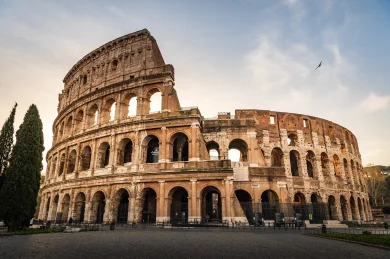
Italy’s Culture Minister closed the Colosseum for a day after a 22-year-old worker died

Personalized news feed, AI-powered search, and notifications in a more interactive experience.