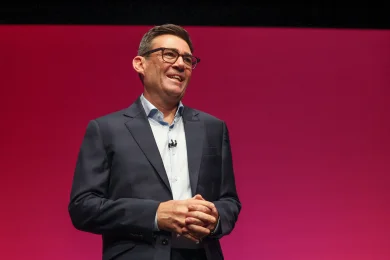
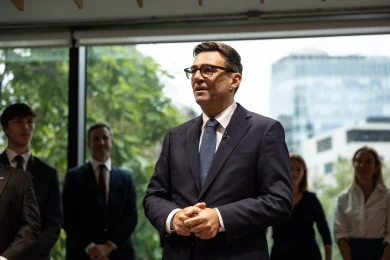
Andy Burnham, his first speech as leader and prime minister at the annual Labour Party conference



Always see our news on Google
Shortly after taking over from Keir Starmer, Prime Minister Burnham outlined his plans for reforming the United Kingdom’s state pension system. He announced that, starting in 2030, the government would abandon the “Triple Lock”—the mechanism that guarantees annual pension increases at the highest of the inflation rate, the growth in earnings among the working population, and 2.5%.
In place of the current system, Burnham is proposing a “Double Lock”, based on a comparison between inflation and the 2.5% threshold, without reference to wage growth. The measure is intended to reduce pressure on the budget amid an ageing population. Introduced in 2010 and implemented from the 2011/2012 fiscal year, the policy has contributed to pension spending rising to £154 billion annually.
The state pension is expected to reach approximately £13,000 a year after the April 2027 uprating, while the average annual income of employees is estimated at £40,000. Burnham argued that the savings could fund a public support system for older people. However, the Institute for Fiscal Studies and Conservative leader Kemi Badenoch warned that the resulting funds would not be sufficient for this reform.
Sources


Latest News
23:12
22:53
22:53
22:25
22:06
See more news
NEWS ON THE SAME TOPICS