Estonia blames Russia for the fire at Milrem Robotics, while the Commission says it is preparing new individual sanctions




Always see our news on Google
The Estonian government says that the fire deliberately started in August at a building used by the defense company Milrem Robotics was an act of sabotage ordered by Russian special services. The European Commission expressed solidarity with Estonia and indicated that further individual sanctions against Russia are being prepared, without announcing a new EU listing directly related to this case.
Estonia officially attributed to Russia the fire deliberately started in August at a building used by the defense company Milrem Robotics in Tallinn, after the Estonian Internal Security Service, KAPO, assessed the information gathered during the investigation. Prime Minister Kristen Michal said that the authorities can state with confidence that the fire was an act of sabotage ordered by the special services of the Russian Federation, while the European Commission said it is following the case as part of a broader series of hybrid threats and that new individual sanctions are being prepared.
In brief
1.The Estonian government says that the August fire at a building used by Milrem Robotics in Tallinn was an act of sabotage ordered by Russian special services.
2.The attribution is based on information gathered by the Internal Security Service, KAPO, while the criminal investigation into all the circumstances continues.
3.Three suspects were detained in Latvia and subsequently handed over to Estonia, but the criminal proceedings have not been concluded.
4.Foreign Minister Margus Tsahkna summoned Russia’s chargé d’affaires and announced that Estonia would support greater pressure on Moscow, including through sanctions.
5.Christian Wigand, the Commission’s lead spokesperson for foreign affairs and security, said that the EU has other individual listings in preparation, without announcing a new sanction specifically for the attack on Milrem.
The Estonian government made the attribution after assessing information collected by the Internal Security Service. According to the authorities in Tallinn, the fire that affected the building used by Milrem Robotics was deliberately started and is considered an act of sabotage ordered by the special services of the Russian Federation.
Prime Minister Kristen Michal linked the attack to a broader campaign that the Estonian government attributes to Russia in Europe. According to the assessment presented by Tallinn, such actions aim to intimidate European states, reduce support for Ukraine, and lessen pressure on Moscow. This is an official attribution by the Estonian authorities, while the criminal investigation into the people involved continues.
KAPO Director General Margo Palloson warned that the risk of further sabotage attempts remains high and that organizations involved in supporting Ukraine and companies in the defense industry face increased risk. According to the Estonian authorities, Russian services are also attempting to recruit people in Europe to carry out such operations.
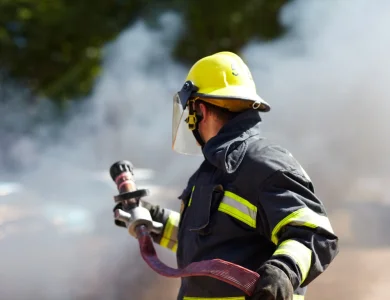
The fire caused no casualties. Emergency services responded quickly, and investigators subsequently began determining how the operation had been prepared and carried out.
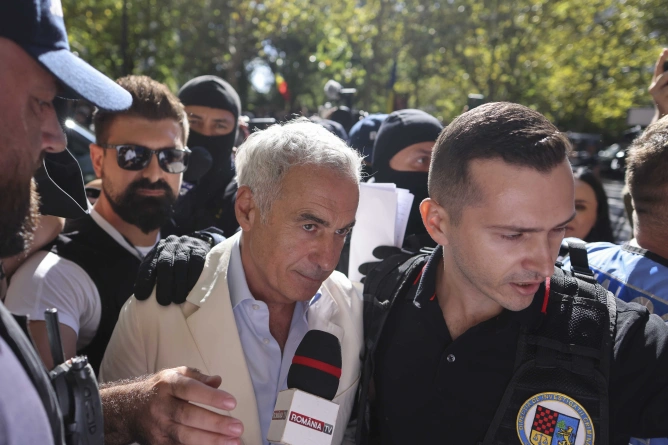
Three people suspected of direct participation in the arson were detained in Latvia and subsequently handed over to Estonia. During the searches, Latvian authorities seized data-storage devices and other items relevant to the investigation. The handover of the suspects does not, however, mean that their criminal liability has already been established.
The Estonian Ministry of Foreign Affairs summoned Russia’s chargé d’affaires after attributing the attack. Margus Tsahkna said that Estonia and its allies must continue increasing pressure on Moscow and cited sanctions, travel restrictions, and maintaining support for Ukraine among the instruments Tallinn considers necessary.
The European Commission responded at its press briefing through Christian Wigand, its lead spokesperson for foreign affairs and security policy. He expressed the Commission’s full solidarity with Estonia and said that the European executive was taking note of the clear attribution made by the Estonian authorities.
Wigand placed the incident in a broader context of threats that the Commission attributes to Russia. He mentioned airspace violations, sabotage, cyberattacks, and espionage, and argued that such actions aim to frighten European states and reduce support for Ukraine.
Regarding the European response, the Commission pointed to funding for anti-drone technologies, joint production projects, action against Russia’s shadow fleet, reducing Russia’s diplomatic presence, and cooperation with NATO. Wigand also mentioned the European protocol for security situations and hybrid threats announced by Ursula von der Leyen and discussed by defense ministers.
The Commission identified sanctions as another available instrument. Wigand said that a significant number of individual listings are still being prepared, without identifying the people targeted or directly linking a new listing to the Milrem Robotics case.
This distinction is important. Estonia presented the measures it wants to support politically, but an EU sanction requires a separate decision. At the time of the Commission’s response, no new listing adopted specifically for the people involved in the fire at Milrem had been announced.
Milrem Robotics is one of Estonia’s major manufacturers of robotic and autonomous defense systems. The company is best known for its THeMIS unmanned ground vehicle, and its systems have also been used in support of Ukrainian forces.
This connection with the defense industry and support provided to Ukraine is relevant to the security assessment made by the Estonian authorities. KAPO included defense companies and organizations supporting Ukraine among the targets considered more exposed to hostile operations.
The attribution announced by Tallinn also represents a development from the initial stage of the case. After the fire, prosecutors confirmed that the act had been deliberate and were also investigating the possibility of sabotage, without publicly attributing the operation to a state.
The government and the Estonian security service now say that the information gathered allows the operation to be attributed to Russian special services. Establishing the individual criminal liability of the suspects, however, remains part of the investigation and judicial proceedings.
Latest News
17:42
17:33
17:31
17:22
17:06
See more news
NEWS ON THE SAME TOPICS