The EU and the United Kingdom reached an agreement in Brussels, in a tentative step toward post-Brexit rapprochement / Where the two sides have differing opinions



Always see our news on Google
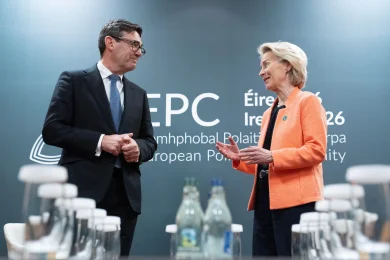
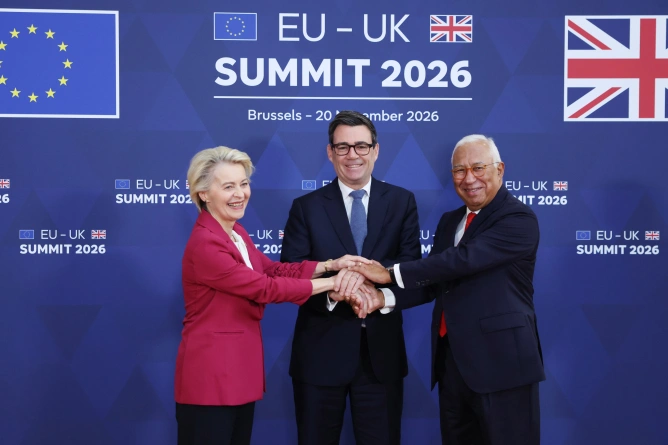
The European Union and the United Kingdom reached an agreement in Brussels on Friday regarding deeper post-Brexit cooperation, but the issue of university tuition fees for European students remains unresolved. A spokesperson for the British Government announced the conclusion of the negotiations, specifying that discussions would continue in certain areas.
The agreement concerns the easing of controls on British exports of food products, youth mobility and carbon emission quotas. However, the implementation of these initiatives depends on an agreement to reduce the fees paid by EU citizens enrolled at universities in the United Kingdom.
At present, European students are considered international students and pay higher fees than British citizens. The Brussels summit is the second between the EU and the United Kingdom since Brexit was finalized in 2020.
What the agreements provide
Thus, according to Reuters, cross-border trade in animals, plants and related products – such as processed meats or seeds – will be carried out without the certificates and controls currently required. The United Kingdom estimates that this measure could bring its economy up to 5.1 billion pounds sterling (6.70 billion dollars) annually.
Another agreement will link the emissions trading systems of the United Kingdom and the EU, thereby exempting British and European goods – steel, for example – from the carbon charges imposed at the border by the other side. Each side is also expected to allow young people from the other side to come to work or study for three years, although, on this point, the differences are more evident.
The United Kingdom, aware that immigration was a factor in the vote for Brexit, had initially proposed accepting only 50,000 people, but agreed to the figure of 100,000, EU diplomats said.
Six-month deadline to resolve their differences
The two sides continue to hold divergent views regarding tuition fees. EU countries want their students to benefit from the same fees as British students (“home fees”), instead of the rates applicable to international students, which are generally four times higher.
The United Kingdom prefers to offer only “significantly reduced” fees, and the current objective is for this issue to be resolved within six months.
The meeting is taking place amid the reopening of the debate on the possible return of the United Kingdom to the EU, although such a development is considered unlikely in the short term. Rejoining would require lengthy negotiations and the unanimous agreement of the member states.
Read also:
ANALYSIS Brexit without profit: London seeks reconciliation with the EU
Sources




Latest News
15:20
15:20
15:20
15:19
15:08
See more news
NEWS ON THE SAME TOPICS