Two amendments to the future CEF target the Lugoj – Drobeta Turnu Severin – Craiova – Sofia axis and the Pașcani – Chișinău route.
2eu.brussels


EU
Foto: 2eu.brussels

Always see our news on Google
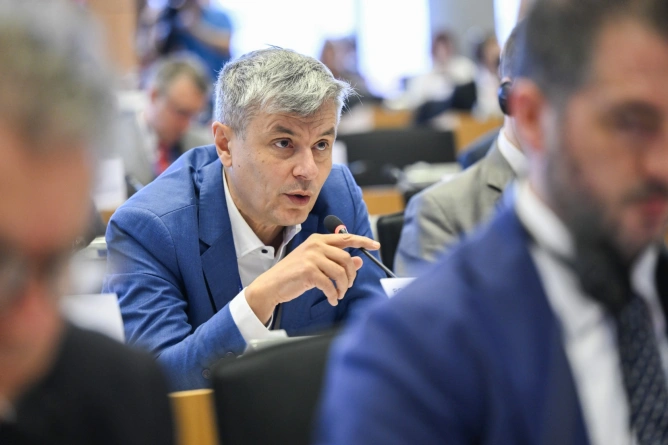
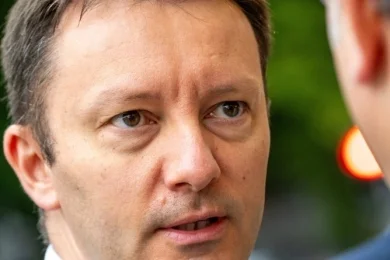
The MEP Virgil Popescu announced the submission of two amendments to the proposal for the regulation regarding the Connecting Europe Facility 2028–2034, which calls for the inclusion of the route Lugoj – Drobeta Turnu Severin – Craiova – Sofia in the RO–BG segment of the Baltic Sea – Black Sea – Aegean Sea corridor and the replacement of the Iași – Chișinău connection with Pașcani – Chișinău in the RO–MD segment.
In short
The first amendment changes the RO–BG segment from Craiova – Sofia to Lugoj – Drobeta Turnu Severin – Craiova – Sofia. The second amendment changes the RO–MD segment from Iași – Chișinău to Pașcani – Chișinău. Popescu states that the objective is to include these routes in the future CEF for the period 2028–2034. The amendment documents invoke reasons of feasibility, greater capacity, interoperability, and continuity with ongoing investments. The documents also bear the signatures of other MEPs, including Gheorghe Falcă, Ioan-Rareș Bogdan, Siegfried Mureșan, Dan-Ștefan Motreanu, Daniel Buda, Adina Vălean, Lorant Wincze, Iuliu Winkler, and Mircea Hava.
According to the text made public by Virgil Popescu, the first amendment targets the indicative list of projects of common interest with a cross-border dimension in the annex dedicated to the Baltic Sea – Black Sea – Aegean Sea corridor and proposes replacing the RO–BG route Craiova – Sofia with an extended route, Lugoj – Drobeta Turnu Severin – Craiova – Sofia.
In justifying the amendment, the initiators argue that the change would allow the completion of a critical missing link within the corridor, by creating a continuous, high-capacity axis between western and southern Romania and further into Bulgaria. The text also states that the segment Lugoj – Drobeta Turnu Severin – Craiova would ensure full interoperability between the Danube corridor, the economic hub in western Romania, and the transport networks in Central Europe, reducing structural bottlenecks and ensuring the continuity of the network.
Virgil Popescu publicly presented the amendment as part of an effort to ensure future eligibility for European funding through the Connecting Europe Facility. He stated that he does not give up on the expressway Craiova – Drobeta Turnu Severin – Lugoj and that he submitted the amendment for the route to be included for funding in the Baltic Sea – Black Sea – Aegean Sea corridor, in the period 2028–2034. In the same statement, the MEP asserted that he initiated the steps for this expressway back when he was a deputy in the Romanian Parliament and that he considers it important for the economic development of Oltenia.
In the same post, Popescu mentioned that a feasibility study is underway for the alignment Lugoj – Drobeta Turnu Severin – Calafat and that the high-speed road section is estimated at approximately 215 kilometers. The argument also appears in the written justification of the amendment, where it is stated that the preparatory studies already underway would support the technical feasibility and maturity of the project.
The second amendment targets the RO–MD segment from the same annex and proposes changing the route Iași – Chișinău to Pașcani – Chișinău. According to the justification, this adjustment would allow the integration of the Republic of Moldova into the TEN-T network through a route considered more feasible and with greater capacity, ensuring direct connectivity to Romania's main railway and road infrastructures at Pașcani.
The motivation text further supports that the modification would facilitate interoperability, reduce operational bottlenecks, and strengthen the links between the Republic of Moldova and the EU single market. The initiators also invoke the fact that the section Iași – Ungheni is already funded through the Connecting Europe Facility and state that extending the corridor to Chișinău through a route with superior technical parameters and greater traffic potential would ensure logical and functional continuity of ongoing investments.
In his statement, Virgil Popescu described this second amendment as a strategic measure, not just a technical optimization. He stated that the change from Iași – Chișinău to Pașcani – Chișinău would allow the integration of the Republic of Moldova into the TEN-T network through a more feasible route with greater capacity and added that the amendment capitalizes on existing investments, increases the resilience of the corridor, and accelerates the integration of the Republic of Moldova into European transport networks.
The photographed documents indicate that the two amendments are submitted within the proposal for the regulation establishing the Connecting Europe Facility for the period 2028–2034, amending Regulation (EU) 2024/1679 and repealing Regulation (EU) 2021/1153. The documents bear the names of several Romanian and regional MEPs who support the initiative, which also gives it a broader political dimension within the European Parliament.
In its current form, these texts represent proposed amendments to a legislative file that is in the parliamentary process, not a final decision regarding funding or the definitive inclusion of the routes in the network funded by the CEF. Their political stakes are, however, clear, repositioning two connections considered strategic, one between western and southern Romania and Bulgaria, the other between Romania and the Republic of Moldova, in the future architecture of European transport infrastructure.
In short
The first amendment changes the RO–BG segment from Craiova – Sofia to Lugoj – Drobeta Turnu Severin – Craiova – Sofia. The second amendment changes the RO–MD segment from Iași – Chișinău to Pașcani – Chișinău. Popescu states that the objective is to include these routes in the future CEF for the period 2028–2034. The amendment documents invoke reasons of feasibility, greater capacity, interoperability, and continuity with ongoing investments. The documents also bear the signatures of other MEPs, including Gheorghe Falcă, Ioan-Rareș Bogdan, Siegfried Mureșan, Dan-Ștefan Motreanu, Daniel Buda, Adina Vălean, Lorant Wincze, Iuliu Winkler, and Mircea Hava.
According to the text made public by Virgil Popescu, the first amendment targets the indicative list of projects of common interest with a cross-border dimension in the annex dedicated to the Baltic Sea – Black Sea – Aegean Sea corridor and proposes replacing the RO–BG route Craiova – Sofia with an extended route, Lugoj – Drobeta Turnu Severin – Craiova – Sofia.
In justifying the amendment, the initiators argue that the change would allow the completion of a critical missing link within the corridor, by creating a continuous, high-capacity axis between western and southern Romania and further into Bulgaria. The text also states that the segment Lugoj – Drobeta Turnu Severin – Craiova would ensure full interoperability between the Danube corridor, the economic hub in western Romania, and the transport networks in Central Europe, reducing structural bottlenecks and ensuring the continuity of the network.
Virgil Popescu publicly presented the amendment as part of an effort to ensure future eligibility for European funding through the Connecting Europe Facility. He stated that he does not give up on the expressway Craiova – Drobeta Turnu Severin – Lugoj and that he submitted the amendment for the route to be included for funding in the Baltic Sea – Black Sea – Aegean Sea corridor, in the period 2028–2034. In the same statement, the MEP asserted that he initiated the steps for this expressway back when he was a deputy in the Romanian Parliament and that he considers it important for the economic development of Oltenia.
In the same post, Popescu mentioned that a feasibility study is underway for the alignment Lugoj – Drobeta Turnu Severin – Calafat and that the high-speed road section is estimated at approximately 215 kilometers. The argument also appears in the written justification of the amendment, where it is stated that the preparatory studies already underway would support the technical feasibility and maturity of the project.
The second amendment targets the RO–MD segment from the same annex and proposes changing the route Iași – Chișinău to Pașcani – Chișinău. According to the justification, this adjustment would allow the integration of the Republic of Moldova into the TEN-T network through a route considered more feasible and with greater capacity, ensuring direct connectivity to Romania's main railway and road infrastructures at Pașcani.
The motivation text further supports that the modification would facilitate interoperability, reduce operational bottlenecks, and strengthen the links between the Republic of Moldova and the EU single market. The initiators also invoke the fact that the section Iași – Ungheni is already funded through the Connecting Europe Facility and state that extending the corridor to Chișinău through a route with superior technical parameters and greater traffic potential would ensure logical and functional continuity of ongoing investments.
In his statement, Virgil Popescu described this second amendment as a strategic measure, not just a technical optimization. He stated that the change from Iași – Chișinău to Pașcani – Chișinău would allow the integration of the Republic of Moldova into the TEN-T network through a more feasible route with greater capacity and added that the amendment capitalizes on existing investments, increases the resilience of the corridor, and accelerates the integration of the Republic of Moldova into European transport networks.
The photographed documents indicate that the two amendments are submitted within the proposal for the regulation establishing the Connecting Europe Facility for the period 2028–2034, amending Regulation (EU) 2024/1679 and repealing Regulation (EU) 2021/1153. The documents bear the names of several Romanian and regional MEPs who support the initiative, which also gives it a broader political dimension within the European Parliament.
In its current form, these texts represent proposed amendments to a legislative file that is in the parliamentary process, not a final decision regarding funding or the definitive inclusion of the routes in the network funded by the CEF. Their political stakes are, however, clear, repositioning two connections considered strategic, one between western and southern Romania and Bulgaria, the other between Romania and the Republic of Moldova, in the future architecture of European transport infrastructure.

Latest News
22:52
Bogdan Ivan accuses coordinated attacks against PSD leaders who criticize the measures of Ilie Bolojan and the USR
22:51
Emmanuel Macron announces the detention of the oil tanker DF Peak. It is suspected of illegally transporting fuel and having links to Russia’s shadow fleet.
22:27
Police in Cologne, Germany, are investigating two young men suspected of using a robot to sexually harass a 16-year-old girl
22:24
Saudi Arabia intercepted a ballistic missile launched toward Riyadh, following explosions and an air-raid alert issued to residents
22:23
Two Turkish nationals have been detained in Germany / Poland accuses them of sabotaging a Starlink station on Russia’s orders
See more news
NEWS ON THE SAME TOPICS



Personalized news feed, AI-powered search, and notifications in a more interactive experience.