Daniel Buda calls for urgent funding for ports, commercial vessels and counter-drone defense in Romania and Bulgaria



Always see our news on Google
Daniel Buda calls on the European Commission and the Council to take concrete measures and provide rapid funding to secure ports, protect commercial vessels, and strengthen counter-drone defense in Romania and Bulgaria. The MEP warns that insecurity in the Black Sea could redirect Ukrainian exports toward land routes and calls for guarantees for farmers on the EU’s eastern border. The intervention represents a political request, with no amount or funding program announced.
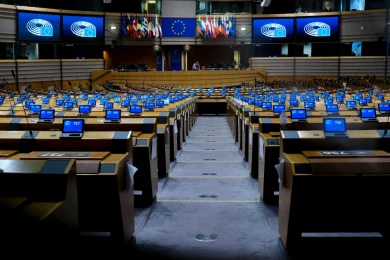
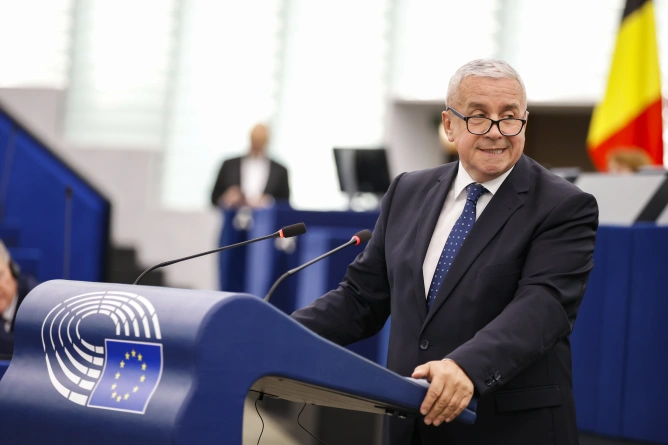
Romanian MEP Daniel Buda, vice-chair of the European Parliament’s Committee on Agriculture and Rural Development (AGRI), called on Wednesday, October 21, 2026, for concrete measures and rapid European funding to secure ports, protect commercial vessels, and strengthen counter-drone defense in Romania and Bulgaria. In his intervention during the plenary session in Strasbourg, he warned of the consequences of insecurity in the Black Sea for Ukrainian exports and farmers in neighboring countries.
In brief
On October 21, 2026, Daniel Buda called on the European Commission and the Council to take concrete measures and provide rapid funding to secure ports, protect commercial vessels, and strengthen counter-drone defense in Romania and Bulgaria.
He warns that Ukrainian exports redirected to land routes could lead to higher costs, logistical bottlenecks, and pressure on agricultural markets. Buda calls for guarantees for Romanian farmers and those on the EU’s eastern border.
According to data that the MEP says he received that morning, more than five million tonnes of grain were awaiting transport from the Black Sea region. The figure is attributed to him; the speech does not identify a statistical source, a specific port, or a particular country.
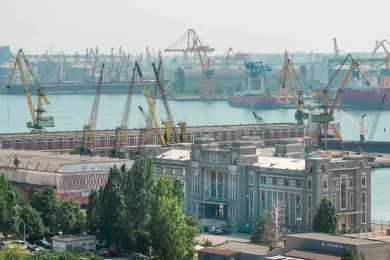
Buda emphasizes the role of the port of Constanța and the Danube. The EU–Ukraine Solidarity Lanes, launched in May 2022, use rail, road, and inland waterways for exports and imports.
In point 17 of the conclusions of October 15–16, the European Council condemns attacks on navigation, including those in the exclusive economic zones of Romania and Bulgaria, calls for safe passage, and reaffirms the importance of the Solidarity Lanes.
The intervention is a political request: Buda does not announce an amount, a funding program, or a payment schedule. The passage of the conclusions concerning the Black Sea does not approve separate funds for ports or counter-drone defense in the two countries.
Buda spoke during the debate on the conclusions of the European Council meeting of October 15–16. Addressing the President of the European Council, António Costa, he welcomed the passage condemning Russian attacks on navigation in the Black Sea. This is point 17 of the conclusions adopted by EU leaders.
The MEP presented the Black Sea as an important trade route for grain and linked transport safety to global food security. He highlighted Romania’s contribution to the operation of the Solidarity Lanes and the transport of millions of tonnes of grain through the port of Constanța and along the Danube.
The Solidarity Lanes were launched in May 2022 to maintain Ukraine’s exports and imports after the Russian invasion and the blockade of Ukrainian ports. The European Commission describes the initiative as a network of rail, road, and inland waterway routes. These routes provide alternatives for Ukrainian trade without eliminating the importance of safe access to the Black Sea.
According to the warning issued by Buda, deteriorating maritime security could once again redirect Ukrainian exports toward land routes. He associated such a development with higher costs, logistical bottlenecks, and additional pressure on agricultural markets in Romania and other member states bordering Ukraine. These are the risks cited by the MEP, not an accounting of already quantified losses.
Buda stated that, according to data received on the morning of October 21, more than five million tonnes of grain were awaiting transport from the Black Sea region and that insecurity along the routes was preventing exports. The figure is attributed to the MEP: in his speech, he did not name the statistical source, a specific port, or a country to which the entire volume would belong. It cannot be presented as an officially verified stock in a single port.
The MEP explicitly called for Romanian farmers and those in member states on the Union’s eastern border to receive guarantees that their activities would not be affected by the situation in the Black Sea. The request links the protection of trade routes to the interests of agricultural producers and the operation of transport infrastructure.
His appeal to the European Commission and the Council covers three areas: port security, the protection of commercial vessels, and the strengthening of counter-drone defense capabilities in Romania and Bulgaria. Buda called for rapid funding but did not indicate an amount, a European program, or a payment schedule. The speech expresses a request for political and financial intervention.
Separately from the MEP’s request, the European Council conclusions condemn attacks on Ukraine’s agricultural infrastructure, Black Sea and Danube ports, border crossing points, export facilities and vessels, as well as the destruction of grain storage facilities. EU leaders accuse Russia of using food as a weapon and undermining food security, particularly in Africa, Asia, and the Middle East.
European leaders describe attacks against civilian and commercial navigation, including recent attacks in the exclusive economic zones of Bulgaria and Romania, as unacceptable. They consider them a serious violation of international and maritime law and call for the immediate restoration of safe passage for civilian and commercial vessels in the Black Sea. The same passage reaffirms the importance of strengthening the EU–Ukraine Solidarity Lanes for grain exports.
For Romania, the discussion concerns both navigation safety and the role of the port of Constanța, the Danube, and land connections in agricultural transit. The additional pressure described by Buda could affect transport, storage, and producers’ access to logistical infrastructure; the concrete effects would depend on the duration of the incidents and the capacity of alternative routes. The intervention does not provide an estimate of the costs for Romanian farmers.
The passage of the conclusions concerning the Black Sea does not approve a separate financial allocation for ports or counter-drone defense in Romania and Bulgaria. Nor does Buda’s intervention announce the allocation of funds. In conclusion, the MEP linked global food security to safety in the Black Sea and the Danube region.
Latest News
16:06
16:02
15:55
15:55
15:55
See more news
NEWS ON THE SAME TOPICS