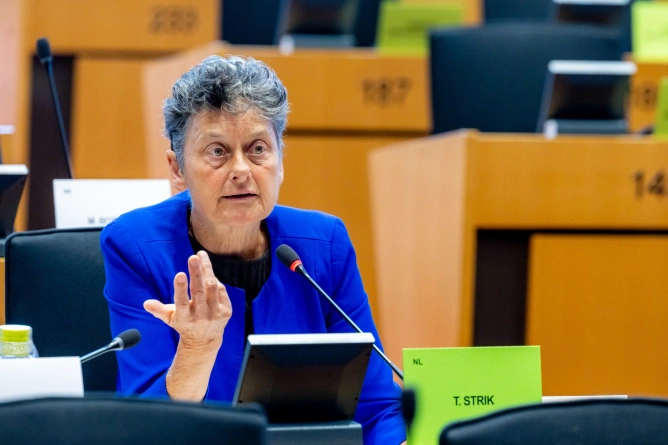
Tineke Strik calls for explanations before the Council decides whether to unblock €4.2 billion for Hungary



Always see our news on Google
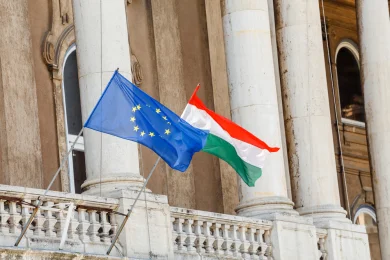
The European Parliament rapporteur for the procedure concerning Hungary under Article 7 calls on the Commission to demonstrate that the risks to the EU budget have been remedied through reforms effectively implemented. The Commission proposes lifting the conditionality measures from 2022, which would restore €4.2 billion in commitments and access for the affected universities to Erasmus+ and Horizon Europe.
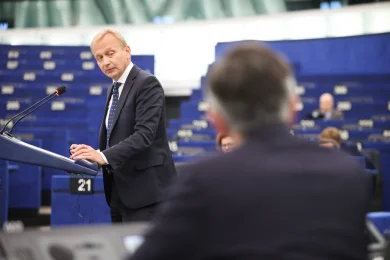
Tineke Strik, the European Parliament rapporteur for the procedure concerning Hungary under Article 7 of the Treaty on European Union, calls on the Commission to explain why it considers that the risks to the EU budget have been sufficiently remedied to lift the conditionality measures. Her position comes after the Commission proposed that the Council restore €4.2 billion in commitments from cohesion policy and remove the restrictions affecting the participation of certain Hungarian universities in Erasmus+ and Horizon Europe.
In brief
1.Strik says Hungary’s progress must be acknowledged, but that the release of billions of euros in EU funds must be based on reforms effectively implemented, not on promises of future changes. She calls on the Commission to set out in detail why it considers that the risks to the European budget are now sufficiently controlled.
2.According to the European Commission, Hungary has remedied problems identified in public procurement, the anti-corruption framework, conflicts of interest and the effectiveness of prosecutorial action. However, the Commission’s positive assessment does not by itself lift the measures, since the decision lies with the Council.
3.If the proposal is approved, €4.2 billion in commitments from cohesion policy would be restored, and students and researchers at universities managed by Hungarian public-interest foundations could once again benefit from Erasmus+ and Horizon Europe. The Council has one month to decide.
4.Lifting the conditionality measures does not close the procedure concerning Hungary under Article 7. It examines a broader set of issues relating to the Union’s values, and Parliament initiated the procedure in 2018.
The European Commission proposes lifting the measures adopted in 2022 under the Conditionality Regulation after analysing the reforms notified by the Hungarian authorities and how they have been implemented. According to the Commission’s assessment, the conditions that justified the measures to protect the Union budget are no longer met.
The areas analysed include public procurement, the anti-corruption framework, the prevention of conflicts of interest and the effectiveness of prosecutorial authorities’ action. The Commission points to strengthened powers for the Integrity Authority and its access to data, amendments to the asset declaration system, expanded judicial review of certain decisions by investigative and prosecutorial authorities, and stronger controls over the use of European funds.
The 2022 measures covered two components. The Council suspended 55% of the budget commitments for three cohesion policy programmes and prohibited the Commission from entering into new legal commitments with Hungarian public-interest foundations and the entities managed by them under programmes financed through direct or indirect management. Erasmus+ and Horizon Europe were among the programmes affected.
The current proposal would restore €4.2 billion of the suspended commitments. If approved by the Council, the prohibition preventing new financial commitments with entities managed by public-interest foundations would also be removed, allowing affected students and researchers to resume participation in Erasmus+ and Horizon Europe.
Strik does not dispute the existence of progress in her statement. The rapporteur says that it must be acknowledged and considers the return of Hungarian universities to the two European programmes important. However, she insists that a decision concerning billions of euros from the EU budget must be based on reforms implemented in practice and not on commitments regarding what the authorities intend to do later.
One of the points she raises concerns the situation of public-interest foundations. Strik says that the process of phasing them out is still under way and calls on the Commission to explain why it considers that the risks to the budget have been sufficiently remedied even though this reform has not yet been completed. The Commission, by contrast, says that Hungary has increased transparency and addressed the conflict-of-interest risks associated with these foundations, with a view to their termination.
The rapporteur also requests that Parliament receive detailed information on the basis for the proposal. According to her statement, the scale of the decision and its implications for taxpayers’ money justify Parliament exercising its democratic scrutiny role provided for by the Conditionality Regulation.
The budgetary assessment must be separated from the procedure concerning Hungary under Article 7. The latter has a broader scope and concerns the situation of the values enshrined in the EU treaties. Parliament initiated the procedure in 2018 and subsequently continued to examine developments in Hungary.
The Commission’s proposal does not automatically release the €4.2 billion and does not immediately remove the restrictions on Erasmus+ and Horizon Europe. The Council must examine the proposal and has one month to decide whether to lift the measures adopted in 2022.
Latest News
15:27
15:25
15:25
15:24
15:12
See more news
NEWS ON THE SAME TOPICS

.webp)