The European Union and the Western Balkans agree on new priorities for migration and asylum until 2030




Always see our news on Google
The European Union and partners from the Western Balkans have approved new priorities for strengthening cooperation on migration and asylum until 2030, in an agenda that emphasizes returns, international protection, and crisis preparedness, against the backdrop of geopolitical challenges and the EU accession process. In brief The EU and partners from the Western Balkans approved in Budva the new priorities for regional cooperation on migration and asylum for the period 2027-2030.
The work priorities have been established in four areas: mixed migration, international protection, returns, and alternatives to detention, contingency planning.
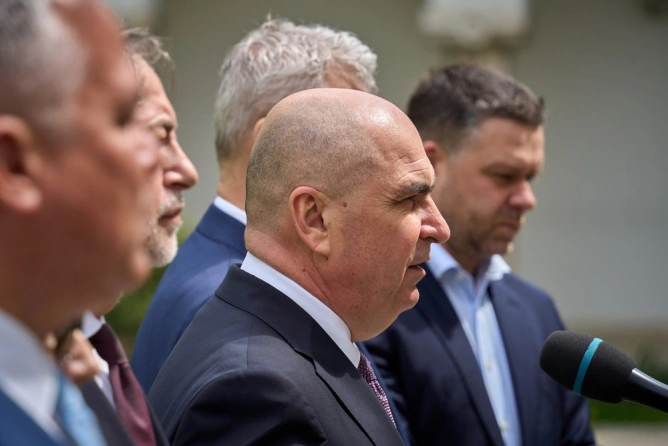
The meeting brought together the European Commission, all six partner entities from the Western Balkans, and the implementing agencies Frontex, EUAA, IOM, and UNHCR.
The program is funded through the Instrument for Pre-Accession Assistance, IPA, and aims to align migration and asylum systems with EU and international standards.
Participants assessed the progress of the current program and began consultations on the next phase of the program, which will cover the period 2027-2030. The new commitments were agreed upon during a meeting of the regional coordination committee held in Budva, Montenegro. According to the text published by the European Union Agency for Asylum, EU partners and those from the Western Balkans supported a new series of priorities for strengthening migration and asylum systems in the region, including through joint work on returns, international protection, and crisis preparedness. Over two days, delegates analyzed the progress of the current program and approved structured work priorities in four areas. These are mixed migration, international protection, returns and alternatives to detention, as well as contingency planning. In parallel, participants began consultations on priorities, expected impact, and activities for the next phase of the program, which will cover the period 2027-2030. The text places the meeting in a broader geopolitical context and shows that persistent geopolitical challenges have intensified the relevance of regional cooperation on migration. Although the program was created over a decade ago, the document states that its focus on building resilient border and asylum management systems in the Western Balkans remains equally relevant. The meeting was organized within the regional program funded by the EU "EU Regional Support to Protection-Sensitive Migration Management Systems in the Western Balkans, Phase III", supported through the Instrument for Pre-Accession Assistance. The program supports partners from the Western Balkans in strengthening migration and asylum systems in accordance with EU and international standards, as part of the accession process to the Union. The document shows that, in the last decade, the program has contributed to more effective and rights-based border and migration management across the region. Supported areas include border identification, registration and referral, asylum procedures, reception, returns, and contingency planning. Representatives from across the Western Balkans region participated in Budva, along with representatives from the European Commission, from DG ENEST and DG HOME, the European External Action Service, and EU delegations from the six partner entities. The program's implementing partners, the European Border and Coast Guard Agency, Frontex, the European Union Agency for Asylum, EUAA, the International Organization for Migration, IOM, and the UN High Commissioner for Refugees, UNHCR, were also present. The text states that, by promoting regional cooperation and shared responsibility, the program continues to support safe, orderly, and rights-based migration management systems. According to the document, this framework is expected to benefit people on the move, those in need of international protection, host communities, and institutions in the Western Balkans. The EU's regional program for protection-sensitive migration management in the Western Balkans has been operational for over a decade and is presented by the EU as a support tool for aligning migration and asylum systems in the region with European standards. The current meeting in Budva aimed to assess the status of implementation and prepare for the next phase, which will cover the period 2027-2030. Through funding via IPA and the direct participation of the Commission, European agencies, and international organizations, cooperation on migration and asylum is placed by the EU both in the logic of border management and international protection, as well as in the broader logic of the Western Balkans' accession process.
Sources

Latest News
11:59
11:41
11:18
11:15
11:02
See more news
NEWS ON THE SAME TOPICS