The Commission rejects the US accusations: CBAM is not a tariff and EU rules will not be changed for American companies.
2eu.brussels


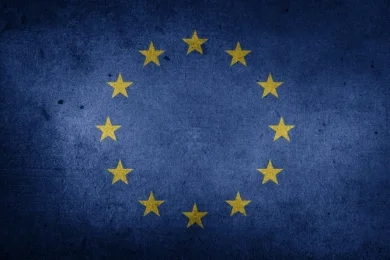
EU
Foto: 2eu.brussels

Always see our news on Google
The European Commission rejects the comparison between the Carbon Border Adjustment Mechanism (CBAM) and the American tariffs on oil and aluminum imports, stating that the two instruments operate on different principles. Brussels says that CBAM aims to prevent the relocation of emissions and to apply a comparable carbon cost for products manufactured in the EU and those imported, with obligations depending on the embedded emissions of each good. The European executive insists that trade discussions with Washington will not lead to changes in the rules in favor of American companies.
In short, the Commission rejects the characterization of CBAM as a tariff and states that the mechanism is a climate measure aimed at preventing the relocation of emissions. Imports are treated based on embedded emissions, regardless of the country of origin, and products with lower emissions may have small or zero CBAM obligations. If a carbon price has already been paid for a third country, it can be deducted from the CBAM obligation to avoid double payment for the same emissions. Brussels asserts that the EU's regulatory autonomy is "non-negotiable" and that there will be no preferential treatment for American companies. The Commission says it will continue dialogue with external partners regarding the implementation of the mechanism, including the difficulties faced by small and medium-sized enterprises.
The European Commission has rejected accusations that CBAM could be equated with the tariffs imposed by the United States on oil and aluminum imports. The question was raised after the U.S. ambassador claimed in a press article that there are parallels between the two instruments and accused Brussels of hypocrisy for criticizing American measures. The European executive's response was that the nature and calculation method of CBAM are different from those of a traditional trade tariff.
"The Commission does not share the characterization of CBAM as a tariff. The Carbon Border Adjustment Mechanism is a climate measure aimed at preventing the relocation of emissions, supporting global decarbonization, and ensuring that imported goods are subject to the same carbon price faced by EU producers under the European emissions trading system," said a Commission representative.
The difference cited by Brussels is that the CBAM obligation is calculated based on the amount of emissions associated with the production of the imported good, not by applying a trade quota established based on the country of origin. The Commission states that the mechanism applies non-discriminatorily to all third countries and that goods produced with lower emissions bear a smaller obligation. In the case of products with a very low carbon footprint, the CBAM cost can drop to zero.
"Unlike traditional tariffs, low-emission goods will have small or even zero CBAM obligations," specified the representative of the European executive. This rule applies regardless of whether the goods come from the United States, China, or another economy outside the EU, and the criterion used remains the verified level of embedded emissions.
The Commission also emphasized that the mechanism recognizes carbon prices already paid in the country where the product was manufactured. If a producer has already borne such a cost for the emissions associated with the good exported to the EU, the corresponding value can be deducted from the CBAM obligation. Brussels says this possibility avoids double taxation of the same emissions and further distinguishes the European mechanism from a regular customs tariff.
"A carbon price paid in a third country for the embedded emissions of the good can be deducted from the CBAM obligation, so that the same level of emissions is not paid twice," explained the spokesperson. The Commission did not indicate in the briefing any changes to this rule for certain states or categories of trading partners.
Brussels also rejected the possibility of granting different treatment to American companies as a result of political or trade negotiations with Washington. "The EU's regulatory autonomy remains non-negotiable, and the joint statement does not impose any changes to our rules or any favorable treatment for American companies," said the Commission representative.
Companies from the United States that export products covered by the mechanism will therefore have to comply with the same calculation principles as exporters from other third countries. The Commission has not announced a derogation for the United States or any separate method for assessing American products, and the position expressed in the briefing was that the political relationship between the EU and a trading partner does not change the criterion of embedded emissions.
However, the European executive specified that it will continue discussions with trading partners regarding the practical application of the mechanism. Special attention is given to the administrative difficulties for small and medium-sized enterprises, without this willingness for dialogue implying a renunciation of the core principles of CBAM.
"In line with our dialogue-based approach with partners and in response to concerns regarding small and medium-sized enterprises, the Commission commits to continue discussions on the implementation of CBAM," the representative of the European executive specified. The Commission did not provide estimates in the briefing regarding the effect of the mechanism on the volume of American exports or on the transatlantic trade relationship.
CBAM is linked to the European emissions trading system, through which EU producers bear costs associated with emitted carbon. The border mechanism aims for imported products in covered sectors to bear a comparable cost, to reduce the risk of production moving to jurisdictions with less strict climate policies.
The position expressed by the Commission is that the mechanism applies based on embedded emissions and not based on the political or trade relationship of the EU with the exporting country.
In short, the Commission rejects the characterization of CBAM as a tariff and states that the mechanism is a climate measure aimed at preventing the relocation of emissions. Imports are treated based on embedded emissions, regardless of the country of origin, and products with lower emissions may have small or zero CBAM obligations. If a carbon price has already been paid for a third country, it can be deducted from the CBAM obligation to avoid double payment for the same emissions. Brussels asserts that the EU's regulatory autonomy is "non-negotiable" and that there will be no preferential treatment for American companies. The Commission says it will continue dialogue with external partners regarding the implementation of the mechanism, including the difficulties faced by small and medium-sized enterprises.
The European Commission has rejected accusations that CBAM could be equated with the tariffs imposed by the United States on oil and aluminum imports. The question was raised after the U.S. ambassador claimed in a press article that there are parallels between the two instruments and accused Brussels of hypocrisy for criticizing American measures. The European executive's response was that the nature and calculation method of CBAM are different from those of a traditional trade tariff.
"The Commission does not share the characterization of CBAM as a tariff. The Carbon Border Adjustment Mechanism is a climate measure aimed at preventing the relocation of emissions, supporting global decarbonization, and ensuring that imported goods are subject to the same carbon price faced by EU producers under the European emissions trading system," said a Commission representative.
The difference cited by Brussels is that the CBAM obligation is calculated based on the amount of emissions associated with the production of the imported good, not by applying a trade quota established based on the country of origin. The Commission states that the mechanism applies non-discriminatorily to all third countries and that goods produced with lower emissions bear a smaller obligation. In the case of products with a very low carbon footprint, the CBAM cost can drop to zero.
"Unlike traditional tariffs, low-emission goods will have small or even zero CBAM obligations," specified the representative of the European executive. This rule applies regardless of whether the goods come from the United States, China, or another economy outside the EU, and the criterion used remains the verified level of embedded emissions.
The Commission also emphasized that the mechanism recognizes carbon prices already paid in the country where the product was manufactured. If a producer has already borne such a cost for the emissions associated with the good exported to the EU, the corresponding value can be deducted from the CBAM obligation. Brussels says this possibility avoids double taxation of the same emissions and further distinguishes the European mechanism from a regular customs tariff.
"A carbon price paid in a third country for the embedded emissions of the good can be deducted from the CBAM obligation, so that the same level of emissions is not paid twice," explained the spokesperson. The Commission did not indicate in the briefing any changes to this rule for certain states or categories of trading partners.
Brussels also rejected the possibility of granting different treatment to American companies as a result of political or trade negotiations with Washington. "The EU's regulatory autonomy remains non-negotiable, and the joint statement does not impose any changes to our rules or any favorable treatment for American companies," said the Commission representative.
Companies from the United States that export products covered by the mechanism will therefore have to comply with the same calculation principles as exporters from other third countries. The Commission has not announced a derogation for the United States or any separate method for assessing American products, and the position expressed in the briefing was that the political relationship between the EU and a trading partner does not change the criterion of embedded emissions.
However, the European executive specified that it will continue discussions with trading partners regarding the practical application of the mechanism. Special attention is given to the administrative difficulties for small and medium-sized enterprises, without this willingness for dialogue implying a renunciation of the core principles of CBAM.
"In line with our dialogue-based approach with partners and in response to concerns regarding small and medium-sized enterprises, the Commission commits to continue discussions on the implementation of CBAM," the representative of the European executive specified. The Commission did not provide estimates in the briefing regarding the effect of the mechanism on the volume of American exports or on the transatlantic trade relationship.
CBAM is linked to the European emissions trading system, through which EU producers bear costs associated with emitted carbon. The border mechanism aims for imported products in covered sectors to bear a comparable cost, to reduce the risk of production moving to jurisdictions with less strict climate policies.
The position expressed by the Commission is that the mechanism applies based on embedded emissions and not based on the political or trade relationship of the EU with the exporting country.

Latest News
23:13
Montenegrin authorities expelled the founder of the Russian military blog Rybar
23:02
Donald Trump announced that Russia will begin massive diesel deliveries to the US and the global market, following a discussion with Vladimir Putin
22:58
A Romanian woman was killed in Spain, and her husband, suspected of the murder, allegedly later committed suicide
22:25
A Romanian man who went missing in Italy was found dead in a river
22:21
A magnitude 7.6 earthquake occurred off the coast of Panama / Tsunami warnings were issued
See more news
NEWS ON THE SAME TOPICS
.webp)



Personalized news feed, AI-powered search, and notifications in a more interactive experience.





.webp)