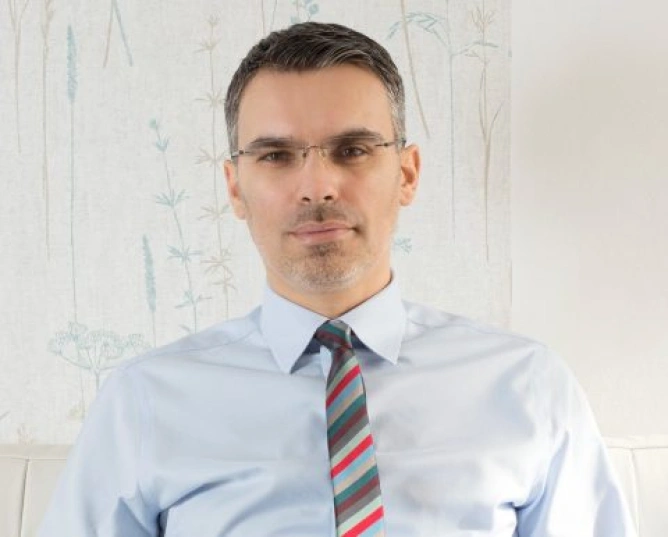
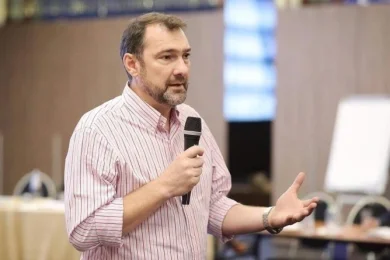
Shena Britzen, manager at Rheinmetall, warns that Europe's fuel reserves would only cover three months of conflict.
Radu Burcă


EU
Foto: profimedia.com

Always see our news on Google
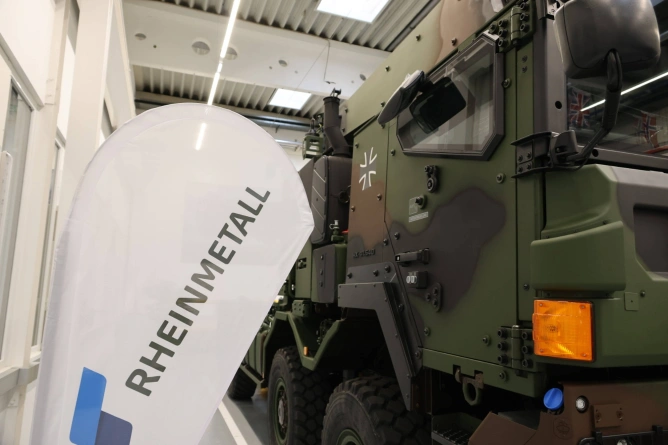
Europe has approximately 60 refineries, essential for fuel supply. In an interview, Shena Britzen, manager at Rheinmetall, emphasizes that current reserves would only be sufficient for three months in the event of a conflict. Without fuel, both the military and civil infrastructure cannot operate efficiently. Britzen mentions that military vehicles, such as Leopard 2 tanks, have a high diesel consumption, and replacing them with electric solutions would be impractical due to the weight of the batteries.
In the case of a prolonged war, fuel depots would quickly deplete, and attacks on refineries could severely affect a state's defense capability. As a solution, Britzen proposes the development of a decentralized European synthetic fuel production system, using green hydrogen and renewable energy sources. This would involve building autonomous "energy islands" capable of producing local diesel and kerosene.
The costs for implementing this solution are high, estimated at around 400 billion euros at the European level, with a significant contribution from Germany. Although prices may decrease over time, political support is essential to accelerate production. Britzen emphasizes that the lack of fuel affects not only the military but also hospitals and emergency services, making energy independence a matter of national security. The conclusion of the interview is clear: Europe must quickly transform its energy system to avoid a serious crisis in the event of conflict.
In the case of a prolonged war, fuel depots would quickly deplete, and attacks on refineries could severely affect a state's defense capability. As a solution, Britzen proposes the development of a decentralized European synthetic fuel production system, using green hydrogen and renewable energy sources. This would involve building autonomous "energy islands" capable of producing local diesel and kerosene.
The costs for implementing this solution are high, estimated at around 400 billion euros at the European level, with a significant contribution from Germany. Although prices may decrease over time, political support is essential to accelerate production. Britzen emphasizes that the lack of fuel affects not only the military but also hospitals and emergency services, making energy independence a matter of national security. The conclusion of the interview is clear: Europe must quickly transform its energy system to avoid a serious crisis in the event of conflict.
Sources


Latest News
12:25
The Brussels court will hear on Monday ROMATSA’s and the Romanian state’s challenges to the garnishment of the administration’s accounts over a debt of 3.42 billion lei
12:16
PSD President Sorin Grindeanu: “We do not accept the waste of public money. Therefore, I want to make it very clear: next year, taxes for Romanians and Romanian companies will not increase”
12:13
Sorin Grindeanu proposes that Prime Minister Luca Niculescu assume responsibility for administrative reform and the reorganization of the state
12:11
Donald Trump urges Israelis to vote for Prime Minister Benjamin Netanyahu in Tuesday’s legislative elections, calling him an “exceptional warrior”
12:05
Cosmin Marinescu calls for prudent monetary policy, warning about the risks of mechanistic decisions and economic imbalances
See more news
NEWS ON THE SAME TOPICS
Opinions
Europe’s new energy doctrine

Personalized news feed, AI-powered search, and notifications in a more interactive experience.