ECR asks the EU to reflect after Iceland rejected the resumption of accession negotiations.
Liviu Brăteanu


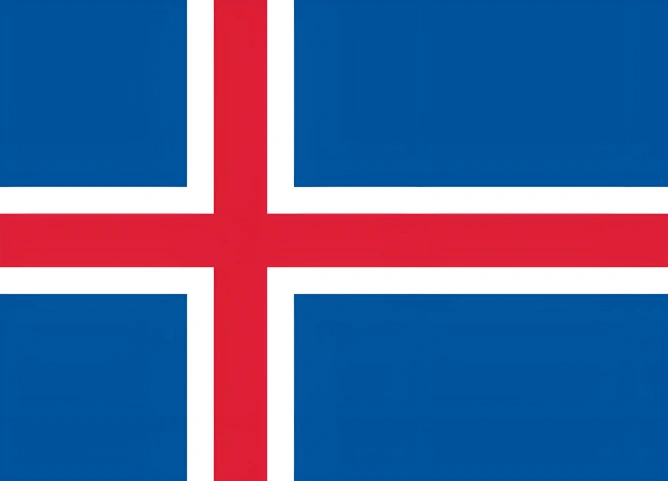
EU
Foto: Pixabay

Always see our news on Google
The European Conservatives and Reformists Group in the European Parliament has called on the European Union to analyze the reasons why Iceland rejected the resumption of accession negotiations, following the referendum on August 29, which ended with 52.8% against and 47.2% in favor. ECR co-chairs, Nicola Procaccini and Patryk Jaki, linked the result to concerns about national sovereignty, subsidiarity, and democratic control, in a political interpretation formulated a day after the vote.
In short, Icelanders rejected the resumption of EU accession negotiations with 52.8% of the votes against 47.2% in favor, with a turnout of 82.5%. The referendum was not a vote on actual membership but on the question of whether Iceland should reopen the negotiations suspended in 2013. The ECR believes that the result should prompt the EU to examine more closely the concerns regarding sovereignty, subsidiarity, and democratic accountability. Nicola Procaccini states that the fact that a prosperous and democratic European country did not even want to reopen negotiations should lead Brussels to analyze where European cooperation brings clear value. Patryk Jaki argues that fears regarding the transfer of important decisions outside of national democratic control should not be minimized, but this is the political position of the ECR, not an official conclusion about the reasons for the Icelandic vote.
The Icelandic referendum on August 29 has temporarily closed the prospect of resuming negotiations for EU membership. After counting the votes, 52.8% of participants voted against reopening discussions with Brussels, while 47.2% voted in favor, in a poll that saw an 82.5% voter turnout.
The question did not ask Icelanders to decide whether the country should become an EU member state. Voters were asked whether Iceland should resume the accession negotiations, suspended in 2013 after three years of discussions and before the process reached some of the most sensitive topics, particularly fishing and agriculture.
The result was immediately interpreted by European political groups, and the ECR used the vote to relaunch its own criticism of how European integration works. In a statement published on August 30, the group said that the decision of the Icelanders "should prompt reflection in Brussels" and should not be treated as an isolated episode.
ECR co-chair Nicola Procaccini described the vote as a sovereign and democratic choice that must be respected and emphasized that the referendum took place in a geopolitical context more uncertain than it was a decade ago. In his opinion, the fact that this change was not enough to produce a majority in favor of resuming negotiations raises questions about the attractiveness of the current model of integration.
"If a prosperous, democratic and outward-looking European country remains unconvinced that resuming EU membership talks might be the right path, the European Union should ask itself how it can better respect sovereignty and subsidiarity, become more effective and competitive, and focus more clearly on the areas where European cooperation adds genuine value," Procaccini stated.
In Romanian, the ECR co-chair says that if a prosperous, democratic, and open European country remains unconvinced that resuming negotiations would be the right path, the Union should ask how it can better respect sovereignty and subsidiarity, become more effective and competitive, and focus cooperation on areas where it brings clear value.
Patryk Jaki, the other co-chair of the group, emphasized the democratic dimension of the debate. He argues that the concerns expressed during the campaign regarding control over fundamental decisions should not be dismissed or caricatured, and that the EU should examine what signal the result sends about the direction of integration.
"The European Union is strongest when it respects the identities, democratic choices, and constitutional traditions of its nations," Jaki stated, arguing that public trust must be built by demonstrating the value of European cooperation, not through the unnecessary transfer of responsibilities.
The statements of the two ECR leaders are, however, a political interpretation of the referendum result. The poll did not give voters the opportunity to indicate the reasons for their vote, and the result does not allow for a single explanation for the majority against resuming negotiations.
The campaign in Iceland brought together several themes. Fishing and control over quotas remained among the most important concerns of opponents of accession, alongside sovereignty and maintaining their own currency. Meanwhile, supporters of reopening negotiations cited the advantage of direct participation in EU decisions, the possibility of deeper economic integration, and the changing security environment in the North Atlantic.
Regional results also showed significant internal differences. Support for resuming negotiations was majority in the constituencies of Reykjavik, reaching about 55-58%, while opposition was stronger outside the capital, reaching about 60% in rural areas. (RÚV)
Iceland remains, however, deeply integrated into European structures even without EU membership status. The country is part of the European Economic Area, participates in the single market and the Schengen area, and applies a significant part of the European legislation relevant to these areas, but does not participate in the decision-making process of EU institutions in the same way as member states.
The Icelandic government indicated before the referendum that a negative vote would put an end to attempts to reopen negotiations in the current mandate. After the result, the internal political debate shifted towards how the country will manage its relationship with the Union through existing agreements and towards internal economic priorities, including inflation and the cost of credit. (RÚV)
For the ECR, the result provides an argument for a broader European debate about the distribution of competences between Brussels and member states. The group has long advocated a model in which more decisions remain at the national level and in which the principle of subsidiarity limits EU intervention to areas where joint action is considered more effective.
The Icelandic vote does not directly change the Union's enlargement policy or the status of other candidate states. It concerns a country that already has a much closer institutional and economic relationship with the EU than most candidates and which previously negotiated accession but has now chosen not to reopen the process.
However, the result introduces an unusual case in the current context of enlargement: while several states in Eastern Europe and the Western Balkans are trying to advance towards accession, a prosperous and already integrated European state in the single market has decided through a referendum not to resume negotiations. The ECR is trying to turn this difference into a topic of debate about how the Union defines its competences and its relationship with national sovereignty.
In short, Icelanders rejected the resumption of EU accession negotiations with 52.8% of the votes against 47.2% in favor, with a turnout of 82.5%. The referendum was not a vote on actual membership but on the question of whether Iceland should reopen the negotiations suspended in 2013. The ECR believes that the result should prompt the EU to examine more closely the concerns regarding sovereignty, subsidiarity, and democratic accountability. Nicola Procaccini states that the fact that a prosperous and democratic European country did not even want to reopen negotiations should lead Brussels to analyze where European cooperation brings clear value. Patryk Jaki argues that fears regarding the transfer of important decisions outside of national democratic control should not be minimized, but this is the political position of the ECR, not an official conclusion about the reasons for the Icelandic vote.
The Icelandic referendum on August 29 has temporarily closed the prospect of resuming negotiations for EU membership. After counting the votes, 52.8% of participants voted against reopening discussions with Brussels, while 47.2% voted in favor, in a poll that saw an 82.5% voter turnout.
The question did not ask Icelanders to decide whether the country should become an EU member state. Voters were asked whether Iceland should resume the accession negotiations, suspended in 2013 after three years of discussions and before the process reached some of the most sensitive topics, particularly fishing and agriculture.
The result was immediately interpreted by European political groups, and the ECR used the vote to relaunch its own criticism of how European integration works. In a statement published on August 30, the group said that the decision of the Icelanders "should prompt reflection in Brussels" and should not be treated as an isolated episode.
ECR co-chair Nicola Procaccini described the vote as a sovereign and democratic choice that must be respected and emphasized that the referendum took place in a geopolitical context more uncertain than it was a decade ago. In his opinion, the fact that this change was not enough to produce a majority in favor of resuming negotiations raises questions about the attractiveness of the current model of integration.
"If a prosperous, democratic and outward-looking European country remains unconvinced that resuming EU membership talks might be the right path, the European Union should ask itself how it can better respect sovereignty and subsidiarity, become more effective and competitive, and focus more clearly on the areas where European cooperation adds genuine value," Procaccini stated.
In Romanian, the ECR co-chair says that if a prosperous, democratic, and open European country remains unconvinced that resuming negotiations would be the right path, the Union should ask how it can better respect sovereignty and subsidiarity, become more effective and competitive, and focus cooperation on areas where it brings clear value.
Patryk Jaki, the other co-chair of the group, emphasized the democratic dimension of the debate. He argues that the concerns expressed during the campaign regarding control over fundamental decisions should not be dismissed or caricatured, and that the EU should examine what signal the result sends about the direction of integration.
"The European Union is strongest when it respects the identities, democratic choices, and constitutional traditions of its nations," Jaki stated, arguing that public trust must be built by demonstrating the value of European cooperation, not through the unnecessary transfer of responsibilities.
The statements of the two ECR leaders are, however, a political interpretation of the referendum result. The poll did not give voters the opportunity to indicate the reasons for their vote, and the result does not allow for a single explanation for the majority against resuming negotiations.
The campaign in Iceland brought together several themes. Fishing and control over quotas remained among the most important concerns of opponents of accession, alongside sovereignty and maintaining their own currency. Meanwhile, supporters of reopening negotiations cited the advantage of direct participation in EU decisions, the possibility of deeper economic integration, and the changing security environment in the North Atlantic.
Regional results also showed significant internal differences. Support for resuming negotiations was majority in the constituencies of Reykjavik, reaching about 55-58%, while opposition was stronger outside the capital, reaching about 60% in rural areas. (RÚV)
Iceland remains, however, deeply integrated into European structures even without EU membership status. The country is part of the European Economic Area, participates in the single market and the Schengen area, and applies a significant part of the European legislation relevant to these areas, but does not participate in the decision-making process of EU institutions in the same way as member states.
The Icelandic government indicated before the referendum that a negative vote would put an end to attempts to reopen negotiations in the current mandate. After the result, the internal political debate shifted towards how the country will manage its relationship with the Union through existing agreements and towards internal economic priorities, including inflation and the cost of credit. (RÚV)
For the ECR, the result provides an argument for a broader European debate about the distribution of competences between Brussels and member states. The group has long advocated a model in which more decisions remain at the national level and in which the principle of subsidiarity limits EU intervention to areas where joint action is considered more effective.
The Icelandic vote does not directly change the Union's enlargement policy or the status of other candidate states. It concerns a country that already has a much closer institutional and economic relationship with the EU than most candidates and which previously negotiated accession but has now chosen not to reopen the process.
However, the result introduces an unusual case in the current context of enlargement: while several states in Eastern Europe and the Western Balkans are trying to advance towards accession, a prosperous and already integrated European state in the single market has decided through a referendum not to resume negotiations. The ECR is trying to turn this difference into a topic of debate about how the Union defines its competences and its relationship with national sovereignty.

Latest News
07:15
The White House is considering replacing the U.S. ambassador to Greece / Kimberly Guilfoyle is being investigated by the State Department (press)
07:10
NATO’s military chief in Europe will present the Alliance’s strategy in Warsaw for deterring and defeating Russia in the event of an attack
23:05
Rareș Bogdan: 25 Liberals Support the Luca Niculescu Government, and the Number Could Reach 27–28
22:44
Russia attacked Kharkiv's energy infrastructure after Trump's announcement regarding the energy truce
22:20
The US threatens to halt Ukraine’s arms purchases if attacks on Russia’s energy infrastructure continue
See more news
NEWS ON THE SAME TOPICS
.webp)

Personalized news feed, AI-powered search, and notifications in a more interactive experience.