Another “catastrophic” year for Switzerland’s glaciers. Their volume has decreased by nearly 20% in five years



Always see our news on Google
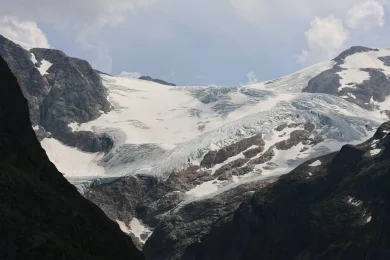
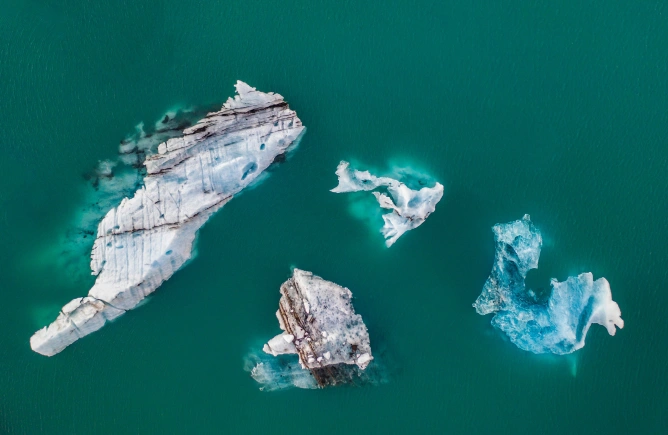
Swiss glaciers lost a further 5.5% of their volume this year, following a summer with record temperatures and a winter with little snowfall, according to data from the Swiss Glaciological Monitoring Network (Glamos). It was the second-worst annual balance on record, after 2022, while losses over the past five years have reached nearly 20%.
Between 2022 and 2026, glaciers melted more than twice as quickly as during any other monitored five-year period. Measurements taken on approximately ten glaciers and extrapolated to the nearly 1,300 glacial formations in Switzerland show the acceleration of the phenomenon: losses stood at 10% in the 1990s and reached 27% between 2016 and 2026.
June to August were the warmest months in Switzerland since measurements began in 1864. The snow protecting the ice began melting in June and had disappeared completely by September, including at altitudes of 3,500 metres. Ice thickness decreased by up to four metres in some areas and by ten metres on certain glacier tongues.
Glaciologists warn that the Scex Rouge glacier could disappear within 10–15 years. This year, Swiss glaciers lost approximately 2,200 billion litres of water—more than four times the annual consumption of households across the country.
Sources





Latest News
21:13
21:00
20:54
20:53
20:53
See more news
NEWS ON THE SAME TOPICS