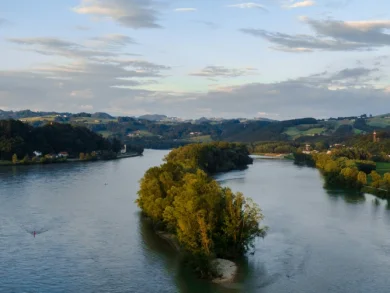
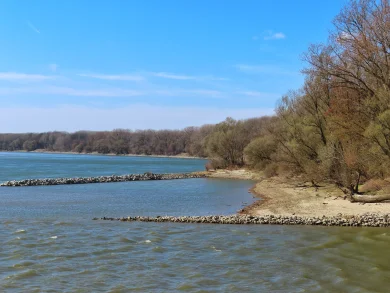
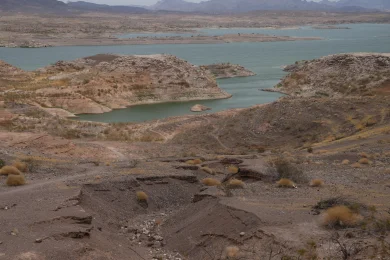
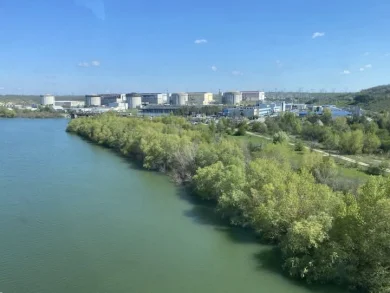
The World Meteorological Organization warns that the world's rivers reached a record level of drought in 2025, while water reserves have been declining for a decade



Always see our news on Google
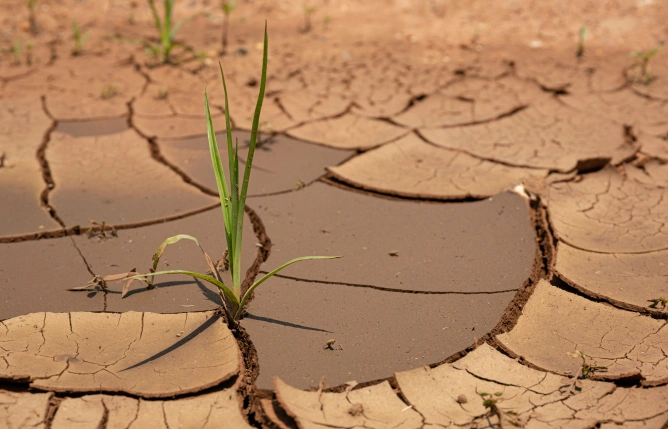
Waterways around the globe reached their highest level of drought in 35 years in 2025, according to the World Meteorological Organization (WMO). Declining water reserves are raising concerns about supplies, especially as the planet could face new periods of drought in 2026.
The WMO report on the state of water resources shows that water inputs into groundwater, lakes, vegetation, ice and snow have been declining for approximately a decade. Terrestrial water reserves have been on a downward trend since 2014–2016, warns the organization’s Secretary-General, Celeste Saulo.
River flows were below normal levels in more than one-third of the world’s river basins. At the same time, some regions of South Asia recorded excess water, a sign of increasingly irregular and unpredictable hydrological cycles.
All of the world’s glacier regions lost mass through melting in 2025. Widespread glacier losses were reported for the fourth consecutive year, intensifying long-term hydrological risks. The WMO warns that natural water reserves, which are essential during dry years, function like a “savings account” that is gradually being depleted.
,Sources



Latest News
09:59
09:56
09:56
09:52
09:44
See more news
NEWS ON THE SAME TOPICS
.webp)