A study about the Great Pyramid of Giza indicates a possible internal spiral ramp used in construction, providing a new explanation for the structure of the monument.



Always see our news on Google
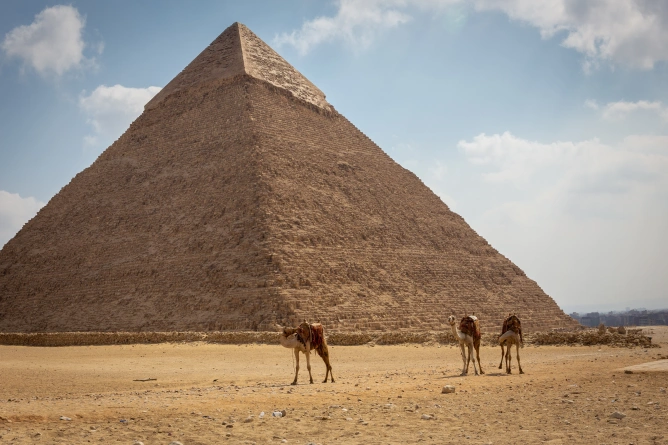
The mystery of the construction of the Great Pyramid of Giza may be closer to resolution, according to a new study conducted by researcher Vicente Luis Rosell Roig. It suggests that workers in ancient times used a hidden spiral ramp inside the pyramid to transport massive stone blocks weighing up to 15 tons, without the need for huge external ramps. The monument, with a base of 230 meters and an original height of 146 meters, was built during the reign of Pharaoh Khufu, using approximately 2.3 million blocks.
The study suggests that the blocks would have been positioned at intervals of four to six minutes, completing the construction in 14-21 years, and with extraction and transport, the total duration would have been 20-27 years. The theory could also explain the internal voids detected through modern scanning, which could represent segments of the hidden ramp. The research, published in March 2026, combines logistical and structural analysis, indicating rigorous planning in the construction of the pyramid. If future investigations confirm these findings, the way this iconic monument was built could be revolutionized.
Sources


Latest News
22:55
22:48
22:22
22:14
21:54
See more news
NEWS ON THE SAME TOPICS