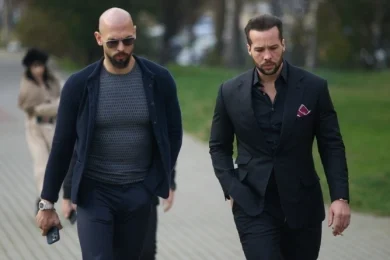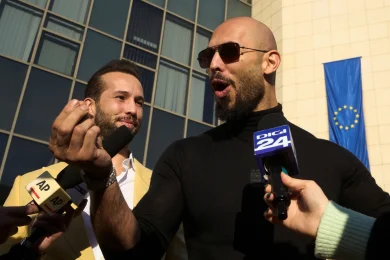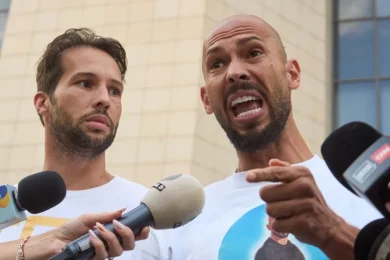

Before U.S. prosecutors rejected the arguments of brothers Andrew and Tristan Tate, the United Kingdom had already submitted official extradition requests to the United States, based on charges of rape, human trafficking for sexual exploitation, and other offenses. After the documents were reviewed under the procedure provided for by the treaty between the two states, the requests were due to reach the Department of Justice and then, for a decision, a U.S. court. At the same time, the defense teams announced that they would challenge the procedure, citing, among other things, the ongoing cases in Romania.
Also before this stage, U.S. courts refused to grant bail, and Judge Lauren Fleischer Louis considered the brothers a flight risk and a danger to the community. Subsequently, the final hearing in the extradition proceedings was scheduled for November 19. Evidence was also cited in the British case: investigators claimed that 168 indecent images and videos, including one involving a minor, had been found on Andrew Tate’s devices, as well as alleged messages that would show he knew the girl’s age.
British prosecutors further claimed that the Tate brothers had allegedly used the “Lover Boy” method to lure women to Romania, where they were allegedly controlled and exploited to produce pornographic material online. Andrew and Tristan Tate denied the accusations, and their case is proceeding in parallel with criminal proceedings in Romania.