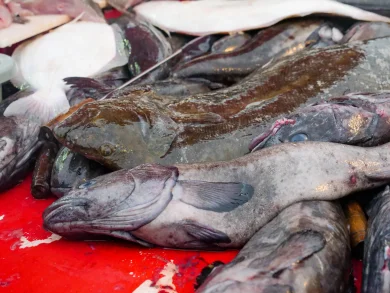
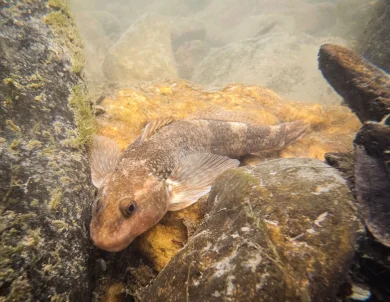
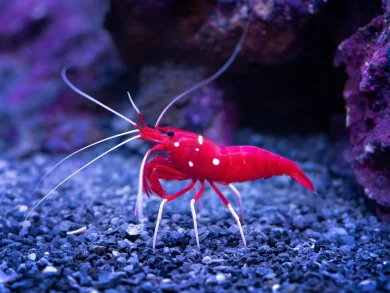
A study conducted by the 'Grigore Antipa' National Institute for Marine Research and Development in Constanta highlighted an alarming contamination with microplastics in fish and seafood along the Romanian coastline.



Always see our news on Google
Almost all analyzed specimens of mussels and clams, as well as two-thirds of the studied mussels, contain microplastics, with potentially serious implications for human health. Compared to the Bulgarian coast, Romania presents a higher level of contamination, explained by the influx of plastic waste from the Danube. Researchers have found that microplastics accumulate in marine organisms, and their transfer occurs from prey to predator. Most of the identified particles are fibers, and biologists emphasize that plastic is not biodegradable. Additionally, cigarette butts and other plastic waste are frequently encountered on the coast. Experts warn that thermal treatment of plastic can generate toxic substances, and consuming contaminated fish could lead to serious health issues, including cancer. The European Union aims to reduce the release of microplastics by 30% by 2030, as part of a broader plan to protect ecosystems.
Sources


Latest News
22:59
22:55
22:44
22:40
22:40
See more news
NEWS ON THE SAME TOPICS