
Context: the political crisis in Bucharest and economic pressure have visibly fueled AUR’s prominence in media analysis and polls
Before the index was published, Romania featured prominently in the European press amid the political deadlock in Bucharest following the successive rejection of several cabinets intended to replace the dismissed government of Ilie Bolojan, with reports focusing on “institutional gridlock” and instability. At the same time, other issues related to the security of the eastern flank and the war in Ukraine were addressed in the context of the risks posed by Russian drones, with Romania appearing primarily as a location for NATO operational cooperation.
On the economic and security front, the same period also brought the rising cost of energy to international attention (including record diesel prices in the EU, with Romania among the countries mentioned) and cooperation against cybercrime, following the international operation against the KillSec ransomware group, which also included actions in Romania.
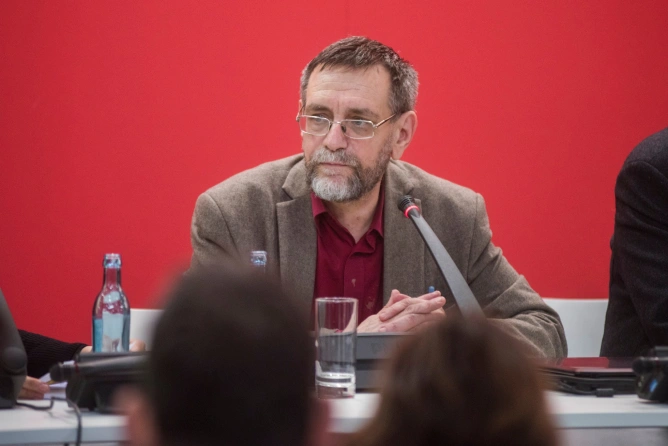
Domestically, INSCOP director Remus Ștefureac warned that the prolongation of the political crisis and the collapse of trust in traditional parties are contributing to radicalization, keeping AUR at around the 40% threshold in its surveys and highlighting the role of social discontent and the lack of a credible alternative.





.webp)

.webp)