CSALB warns: more than 170 requests concerning bank fraud have been submitted this year




Always see our news on Google
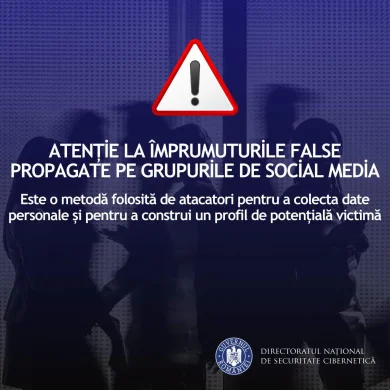
Over 170 requests concerning fraud committed through banking channels have been submitted this year to the Center for the Alternative Resolution of Banking Disputes (CSALB). The victims were left with debts of tens of thousands of euros after criminals took out loans in their names or convinced them to borrow money and transfer it to accounts controlled by the attackers.
In many cases, consumers provided passwords, codes, confidential data, or access to phones and internet banking applications. Other victims took out the loans themselves, convinced that they were investing in crypto-assets or shares, or that they were protecting their savings. The losses analyzed by CSALB amount to as much as 20,000 euros.
Most fraudulent loans were obtained online, following calls in which the criminals claimed to be representatives of banks, the Police, or the NBR. In many situations, banks refuse conciliation because the cases are being investigated by the Police, and access was granted by the account holders, rather than through the hacking of banking systems. CSALB recommends checking calls and messages, avoiding suspicious links and applications installed at the request of strangers. Banks never request passwords, PINs, CVV codes, or authorization details.
Sources




Latest News
17:39
17:25
17:10
17:00
16:50
See more news
NEWS ON THE SAME TOPICS


.webp)