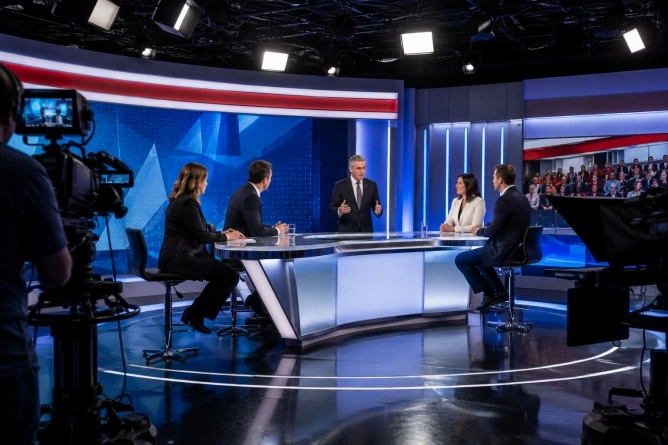
The ambassadors of Cuba and Egypt gave interviews to the Bucharest Diplomatic Center, a private organization from which the MFA has distanced itself



Always see our news on Google
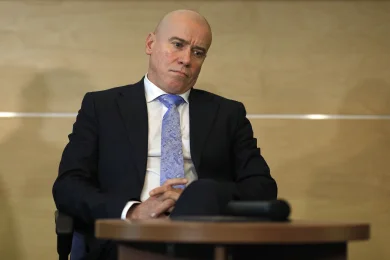
The ambassadors of Cuba and Egypt to Romania, Alexander Valentin Rodriguez Salazar and Mohammed Moustafa Orfy, gave interviews to the Bucharest Diplomatic Center (CDB), a private initiative launched by the M Club Cultural Association. The initiative attracted attention after the Ministry of Foreign Affairs publicly distanced itself from the organization on June 17, 2026.
The MFA stated that it has no connection with CDB and emphasized the strictly private nature of the project. Previously, the Bucharest University of Economic Studies had announced the termination of its collaboration with the organization, according to an article published by Libertatea on June 1, 2026.
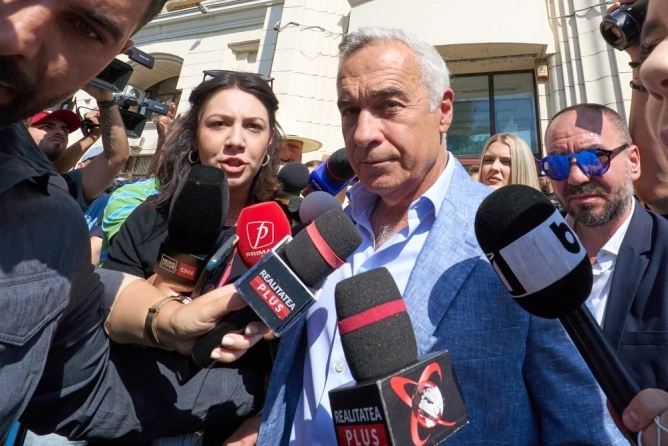
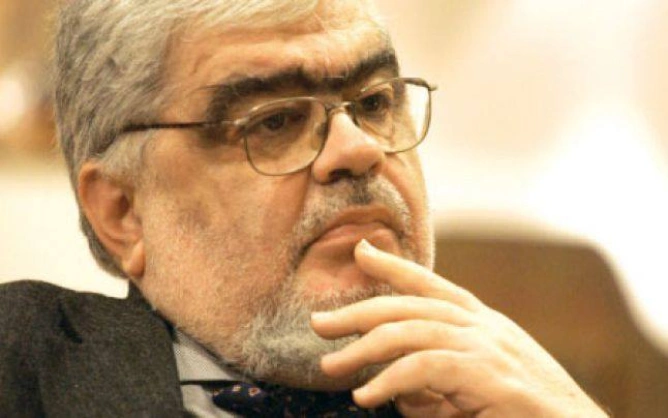
CDB presents itself as a platform dedicated to international relations and organizes paid training courses in diplomacy. The lecturers mentioned include Adrian Severin, Lazăr Comănescu, and Constantin Corneanu. According to information presented by the Tricolor Wolves Association, the leadership of Club M has public links to events organized by the Russian Embassy in Bucharest. These include appearances by Matei Bucur Mihăescu, president of Club M, in materials published by the embassy.
The director of CDB is Milena Mihăescu, a former minister-counselor at the MFA. The Tricolor Wolves Association sent a letter to the embassies accredited in Romania, arguing that the promotion of CDB could affect public perception of bilateral relations. Based on the available information, no position has been presented by the ambassadors involved or by CDB.
Right of reply:
"Bucharest Diplomatic Center: We will not accept turning diplomacy and culture into a platform for smear campaigns
The Bucharest Diplomatic Center takes note of the article published by Adevărul and considers it necessary to make a firm clarification in response to statements and associations that go far beyond the limits of legitimate public debate.
The Bucharest Diplomatic Center is a private, independent project dedicated to diplomacy, international relations, education, and culture. It is not a public institution, does not represent the Ministry of Foreign Affairs, and does not claim to represent the Romanian state. This private nature has been publicly and consistently communicated.
That is precisely why it is difficult to understand why a project that seeks to raise the level of training of young people who aspire to careers in diplomacy has become the target of political and geopolitical labeling campaigns.
CDB brings before those interested in diplomacy people who have actually shaped foreign policy and the institutions of the Romanian state, so that the next generation can learn directly from those who have known these mechanisms from within. Personalities such as Lazăr Comănescu, former Minister of Foreign Affairs and former Romanian ambassador to NATO, the European Union, and Germany, and Ioan Mircea Pașcu, former Minister of Defense and former Vice-President of the European Parliament, have delivered lectures במסגרת CDB projects and courses. Their institutional roles are publicly documented.
If there is a fundamental problem in Romania, it is precisely the need to invest more in diplomatic education and in training a new generation of professionals. From this perspective, the MFA should be interested in having such private initiatives contribute to improving young people's training, rather than turning institutional distancing into an instrument of pressure against a private project. CDB does not request the MFA's patronage. It merely asks that the absence of an institutional relationship not be turned into discrediting.
CDB's activity is not the result of an improvised construction put together overnight. The project's director, Milena Mihăescu, has more than 40 years of professional experience in public institutions and media organizations of national importance, including in the areas of the Presidential Administration, the Government, and AGERPRES, as well as in international relations and diplomacy.
In this context, it is unacceptable for CDB's activity to be associated, without evidence being presented, with alleged “networks,” “influences,” or foreign interests, and for people associated with our projects to be publicly labeled “traitors” or have their loyalty to Romania called into question.
These are no longer mere opinions. They are serious accusations capable of causing concrete damage to image and reputation. All relevant statements are documented, and the appropriate legal proceedings are being prepared or are under way.
CDB has brought foreign ambassadors to Romania for direct dialogue, created diplomatic education programs, and provided public space to professionals in diplomacy and international relations. The interviews conducted with the ambassadors of Egypt and Cuba are journalistic conversations about diplomacy and international relations, not acts of institutional representation of the Romanian state.
We consider it necessary to call things by their name: what is unfolding around CDB no longer represents mere criticism or a debate of ideas. Adrian Băzăvan and the “Tricolor Wolves” Association are conducting a public campaign of labeling, insinuation, and intimidation, in which individuals, diplomats, artists, and organizations are associated, without evidence, with alleged “networks,” “influences,” and foreign interests.
We will not accept people who have built decades-long careers in Romanian diplomacy being turned into targets of smear campaigns. And, above all, we will not accept cultural events at which children and young artists take the stage being transformed into arenas of political confrontation and intimidation.
As for Matei Bucur Mihăescu, the attempt to turn him, through insinuations and political labels, into a suspect figure is contradicted by his own public activity. A pianist, composer, and conductor, he has represented Romania through his artistic activity at home and on international stages, composed hundreds of works, and consistently invested in promoting talented children and young people. As president of the organization under which CDB's activities take place, he has invested resources, time, and credibility in developing this project.
It is deeply cynical for a man who has devoted his activity to promoting Romanian culture and younger generations to be portrayed through accusations of “treason” and geopolitical insinuations. Matei Bucur Mihăescu does not need anyone's certificates of patriotism: his work speaks incomparably more powerfully than any smear campaign.
CDB will continue to practice cultural diplomacy, promote young artists, bring ambassadors into dialogue, and build international projects. We will not stop because of pressure, and we will not allow ourselves to be intimidated.
We make a firm appeal to the Romanian press to exercise its professional responsibility and run information through its own journalistic filter before publishing accusations, insinuations, and unverified statements. Likewise, we ask public institutions not to respond with fear, bureaucratic reflexes, or capitulation to unfounded public pressure.
Facts must be verified, not slogans repeated.
Freedom of expression is essential. However, the freedom to defame, attribute unproven acts, and damage the reputation of individuals or organizations is not unlimited.”

Latest News
12:00
11:59
11:51
11:47
11:21
See more news
NEWS ON THE SAME TOPICS