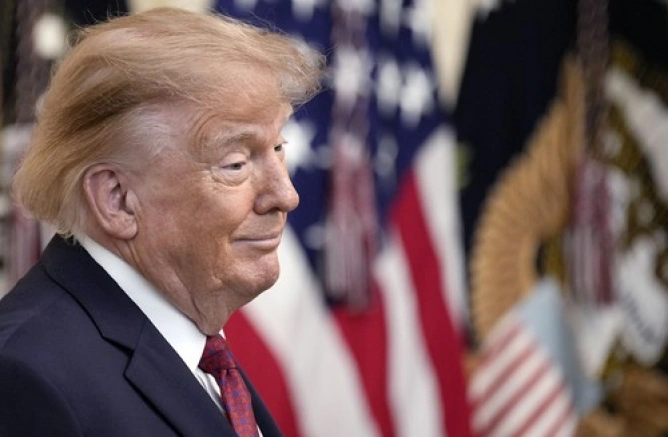

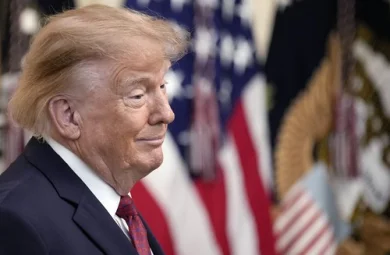
Before the November 3, 2026, election, Donald Trump acknowledged that the Republican Party faced a difficult task in maintaining its majority in the House of Representatives and the Senate. He said he was campaigning intensively in several states and indicated that electoral tensions were fueled by voters’ dissatisfaction with prices, particularly the cost of gasoline.
Projections appearing in the press estimated greater chances for Democrats: Decision Desk HQ gave Democrats a 77% chance in the House and a 56% chance in the Senate. At the same time, analyses in the period preceding the vote linked voting against the administration to two dominant themes—the economic problems and the war with Iran—as well as to the personalization of the elections around Trump, which maintained a predominantly critical media tone.













.webp)