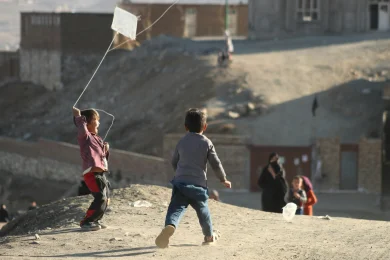
The United Nations Office for the Coordination of Humanitarian Affairs warns that 19.2 million Afghans could suffer from acute food insecurity by April 2027



Always see our news on Google
Approximately 19.2 million Afghans—more than a third of the country’s population—could face acute food insecurity between November 2026 and April 2027, the UN Office for the Coordination of Humanitarian Affairs (OCHA) warned on Tuesday from Kabul.
Of these, around five million are expected to reach “emergency” levels, approaching famine. Currently, between September and October, 15.9 million people are already facing acute food insecurity at crisis level or worse, including 3.4 million in an emergency situation.
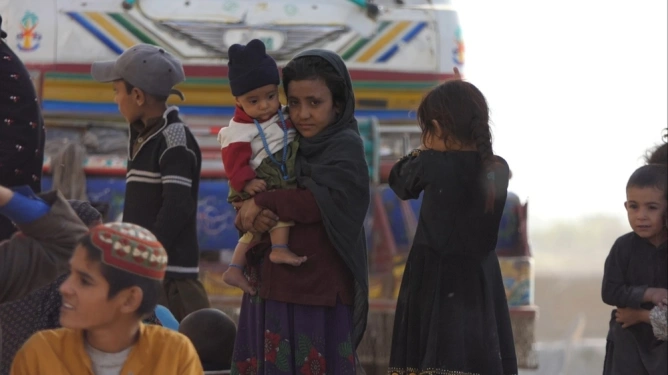
OCHA estimates that more than four million children aged between six months and five years will need treatment for acute malnutrition next year. The crisis is being fueled by years of conflict, economic hardship, drought, climate-related disasters, earthquakes, and the return of millions of Afghans from Iran and Pakistan since 2023.
The situation is exacerbated by the closure or suspension of operations at approximately one-third of nutrition centers, mainly due to budget cuts. OCHA is calling for action before winter arrives, as well as investment in agriculture, jobs, water, health, and nutrition.
,Sources



Latest News
20:09
19:53
19:25
19:07
19:00
See more news
NEWS ON THE SAME TOPICS