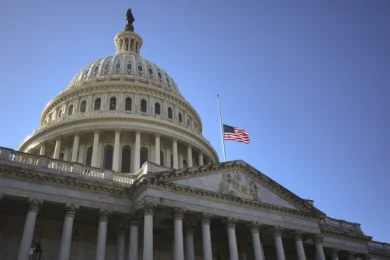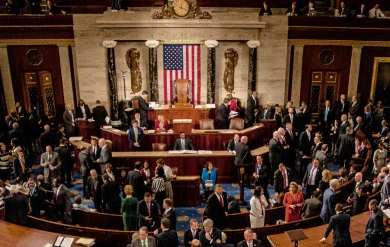

Before the suspension decision, the US Congress passed a law introducing sanctions against certain Russian officials, banks, and the so-called “shadow fleet” of oil tankers. The act was enacted last month and also provided for the possibility of imposing tariffs of up to 100% on goods imported from countries that buy Russian oil or gas, with certain exceptions.
The law was presented as a measure intended to reduce Russia’s financial resources for the war in Ukraine, and the legislative framework was supported by American lawmakers with bipartisan backing. At the same time, there were warnings that the Trump administration might also target European allies, in addition to putting pressure on major energy importers such as China and India.
Meanwhile, relations between Washington and Kyiv became more strained: the White House pressured Ukraine to stop attacks on Russian oil facilities, and Kyiv temporarily agreed, but later resumed the attacks. In this context, Trump also authorized Russian diesel exports, a decision criticized by Ukrainian leaders and voices in Congress, while the EU warned that easing sanctions could bring Moscow additional revenue to finance the war.