search icon
search icon
Flag Arrow Down
Română
Română
Magyar
Magyar
English
English
Français
Français
Deutsch
Deutsch
Italiano
Italiano
Español
Español
Русский
Русский
日本語
日本語
中国人
中国人

Change Language

arrow down
  • Română
    Română
  • Magyar
    Magyar
  • English
    English
  • Français
    Français
  • Deutsch
    Deutsch
  • Italiano
    Italiano
  • Español
    Español
  • Русский
    Русский
  • 日本語
    日本語
  • 中国人
    中国人
Sections
  • News
  • Exclusive
  • INSCOP Surveys
  • Podcast
  • Diaspora
  • Republic of Moldova
  • Politics
  • Economy
  • Current Affairs
  • International
  • Sport
  • Health
  • Education
  • IT&C knowledge
  • Arts & Lifestyle
  • Opinions
  • Elections 2025
  • Environment
About Us
Contact
Privacy policy
Terms and conditions
Quickly scroll through news digests and see how they are covered in different publications!
  • News
  • Exclusive
    • INSCOP Surveys
    • Podcast
    • Diaspora
    • Republic of Moldova
    • Politics
    • Economy
    • Current Affairs
    • International
    • Sport
    • Health
    • Education
    • IT&C knowledge
    • Arts & Lifestyle
    • Opinions
    • Elections 2025
    • Environment
  1. Home
  2. International
91 new news items in the last 24 hours
Thursday 06:13

The Netherlands bans the breeding of cat breeds with folded ears and hairless due to health problems caused by genetic mutations.

Raluca Ioana Draghici
whatsapp
facebook
linkedin
x
copy-link copy-link
main event image
International
www.unsplash.com
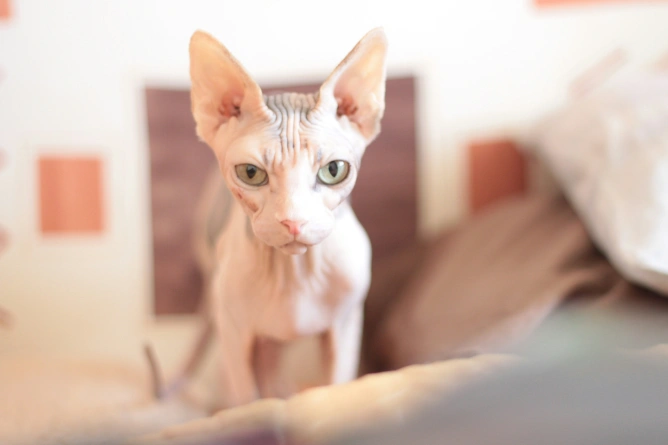
The Dutch authorities have decided to ban the breeding of cat breeds with folded ears, such as Scottish Fold, and those without fur, such as Sphynx, due to serious health problems caused by genetic mutations. Cats with folded ears suffer from osteochondrodysplasia, a condition that affects the development of bones and cartilage, causing pain and mobility issues. Hairless cats are vulnerable to infections, temperature variations, and risks of skin cancer. Although the Netherlands has banned the breeding of these breeds since 2014, the new law closes loopholes related to import and trade. The law does not have retroactive effect, allowing owners to keep microchipped animals before 2026. This measure could influence other European states in discussions about the ethics of genetic selection in pets.

Sources

sursa imagine
Mediafax
Olanda a interzis deținerea anumitor tipuri de pisici. Cum motivează autoritățile decizia
sursa imagine
Cotidianul
Rase celebre de pisici, interzise în Olanda. Ce justifică autoritățile
app preview
Personalized news feed, AI-powered search, and notifications in a more interactive experience.

app preview app preview
Netherlands cats reproduction Health problems genetics

Editor’s Recommendations

main event image
International
Yesterday 12:38

Mercosur, explained calmly, without passion and without panic

main event image
Exclusive
Yesterday 09:15
Original Content

IT News Review by Control F5 Software: A hair clipper with "AI coach" has been launched.

app preview
Personalized news feed, AI-powered search, and notifications in a more interactive experience.

app preview
app store badge google play badge
  • News
  • Exclusive
  • INSCOP Surveys
  • Podcast
  • Diaspora
  • Republic of Moldova
  • Politics
  • Economy
  • Current Affairs
  • International
  • Sport
  • Health
  • Education
  • IT&C knowledge
  • Arts & Lifestyle
  • Opinions
  • Elections 2025
  • Environment
  • About Us
  • Contact
Privacy policy
Cookies Policy
Terms and conditions
Open source licenses
All rights reserved Strategic Media Team SRL

Technology in partnership with

anpc-sal anpc-sol