The European Parliament denounces systemic delays and excessive classification regarding citizens' access to EU documents.



Always see our news on Google
The LIBE Committee adopted a report showing major differences in transparency between EU institutions: the Parliament grants 91% access to documents, the Commission only 60% in 2024. MEPs demand that transparency be the rule and secrecy the exception, and warn that the deletion of digital documents undermines democracy.
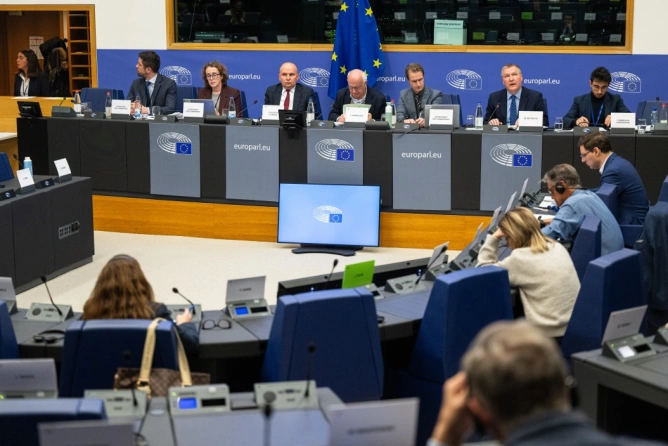
Brussels, January 27, 2026 – European lawmakers want citizens to have clearer, fairer, and more proactive access to EU documents to strengthen transparency, accountability, and public trust. On Tuesday, the Committee on Civil Liberties, Justice and Home Affairs (LIBE) adopted a report (with 72 votes in favor, one vote against, and one abstention) regarding public access to documents of EU institutions, bodies, offices, and agencies for the years 2022-2024.
In brief:
The LIBE Committee adopts a report on public access to EU documents 2022-2024
The European Parliament grants 91% access to documents, the Commission 60% in 2024
MEPs denounce systemic delays, excessive classification, and inconsistency
The deletion of documents declared "short-lived" undermines transparency
Calls for transparency for AI systems in EU decision-making
The report will be presented in plenary in March 2026
Access to documents reaffirmed as a fundamental right
The report assesses the quality of access, identifies gaps in internal processes, and establishes recommendations for strengthening transparency, fairness, public trust, and democracy. These can, MEPs assert, establish a modern, citizen-centered approach that makes disclosure the rule and secrecy the exception. MEPs emphasize that the right to access documents is a fundamental right of every citizen and that a strong commitment to public access can strengthen the EU's resilience against foreign interference.
Uneven overall progress, gaps in all institutions
MEPs are concerned about deficiencies in the implementation of transparency rules that, in some cases, appear systemic. They highlight refusals based on weak or inconsistent reasoning, frequent use of exceptions, and unequal treatment of similar requests within institutions. MEPs also regret the lack of proactive publication and registration of legislative and preparatory documents, which prevents citizens from knowing what documents exist and undermines their right of access and ability to exercise oversight.
The report continues to highlight systematic delays, insufficient follow-up on the recommendations of the European Ombudsman, transparency gaps in sensitive areas such as negotiations on international agreements, infringement procedures, budget implementation, and trilogues, as well as difficulties in accessing documents from certain EU agencies (including the EU Agency for Asylum).
MEPs welcome the recent CJEU ruling on access to Commission documents and call on all EU institutions to retain and proactively register official documents, which could include digital communications and text messages when they concern public business. They argue that the deletion of documents because they have been declared "short-lived" undermines the principles of transparency and good governance.
Key recommendations for strengthening transparency and public access to documents
To improve the implementation of transparency rules, MEPs present a series of recommendations. European lawmakers call for ensuring accessible and fair access procedures, with individualized and well-founded responses in case of refusal, allowing citizens to effectively challenge decisions. MEPs urge the Commission to review its revised internal rules on access to documents and to address concerns regarding their compatibility with EU legislation and case law by proposing a more ambitious framework for modernizing current rules.
The report calls for stronger proactive publication of documents, including legislative documents and minutes or agendas of meetings held behind closed doors. MEPs demand improvements in digital access, clarity, and administrative capacity, through clearer guidance for applicants and improved online publication practices, as well as establishing independent oversight of classification practices.
European lawmakers call for ensuring transparency regarding the use of artificial intelligence (AI) systems in the EU decision-making process, including information on algorithms, training data, and impact assessments. MEPs also call for increased public awareness of their rights to access documents, through information campaigns at the EU and national levels.
The report further calls for strengthening transparency for negotiations on international agreements and in the Council's decision-making process, including timely access for Parliament and proactive publication of preparatory and trilogue documents. MEPs demand rapid follow-up on decisions and recommendations from the European Ombudsman and making parliamentary voting data more accessible through user-friendly online tools.
Rapporteur Veronika Cifrová Ostrihoňová (Renew, SK) stated: "Access to documents is a fundamental right of every EU citizen, but too often they face systemic delays, over-classification, and inconsistent proactive publication. We need to ensure that transparency is the rule and secrecy the exception, ensuring timely access to documents including ones related to legislation, trilogues, and international agreements. I believe that transparency increases the trust of citizens in the EU."
The request for access to EU documents increased between 2022 and 2024. The positive response rate of the Parliament during the examined period was 91%. The Commission, which received the highest number of requests each year (6,938 initial requests in 2024), granted full or partial access in 51% of cases in 2022, 85% in 2023, and 60% in 2024. In 2024, the Council processed over 2,800 access requests, granting full or partial access in 85% of cases.
Latest News
13:46
13:34
13:30
13:26
13:20
See more news
NEWS ON THE SAME TOPICS
.webp)



.webp)