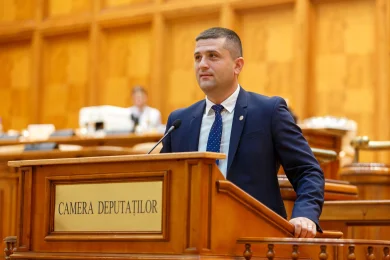
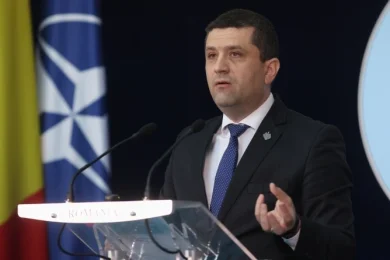
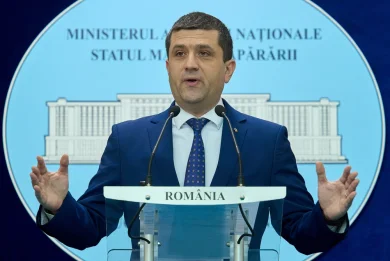
The Minister of National Defense, Radu Mircea, states that Romania should not be afraid of any military threat coming from Iran.
Adrian Rusu


International
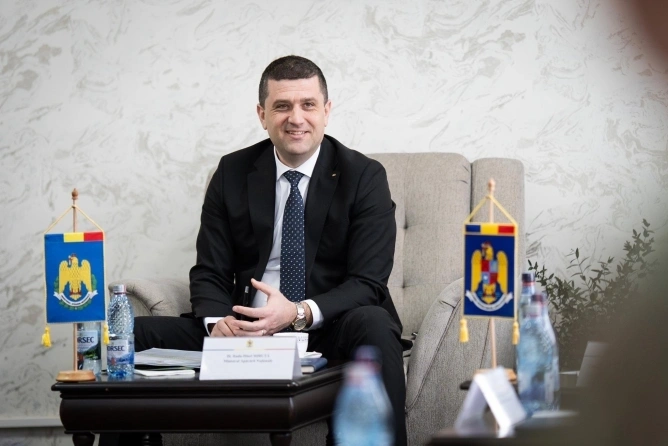
Foto: facebook.com/ Radu Miruţă

Always see our news on Google
The Minister of Defense, Radu Miruță, stated that a potential attack by Iran on Romania could be successfully countered due to the Deveselu shield, which is capable of intercepting ballistic missiles. In an interview on Digi 24, Miruță explained that the technology used at Deveselu has demonstrated effectiveness in intercepting missiles, mentioning a recent incident from the conflict in Iran, where a missile was destroyed within the first 100 seconds after launch. He emphasized that missile interception depends on the launch position and highlighted the existence of other defensive equipment outside Romania, which collaborates with the Deveselu shield to ensure the security of Romanian territory. Miruță concluded that Romania has a remarkable defensive capability that protects citizens from external threats.
Sources

Ministrul Apărării: Pentru ca Iranul să lanseze o rachetă care să poată ajunge în România ar fi nevoie de o rachetă balistică, care este interceptată cu certitudine de scutul de la Deveselu

Radu Miruță spune că România nu poate fi lovită de rachete iraniene: Ar fi nevoie de una balistică. O interceptează Deveselu

Radu Miruță respinge scenariile unui atac din Iran asupra României: Scutul de la Deveselu „este o capacitate fantastică de apărare”

Ministrul Apărării, Radu Miruță, despre o eventuală amenințare din Iran: "O rachetă balistică este interceptată cu certitudine de scutul de la Deveselu"
Latest News
08:03
Donald Trump verbally attacks Norway and says Norwegian immigrants are not welcome in the US after not receiving the Nobel Peace Prize: “Norway has, in fact, become a shitty country”
07:56
Volodymyr Zelensky confirms that a meeting between Russians and Ukrainians, mediated by the US, will take place in November
07:42
Formula 1: Kimi Antonelli won the United States Grand Prix in Texas, but he still has to wait to become world champion
07:42
Audi invests four billion dollars in a factory in the US, despite Volkswagen's restructuring in Germany
07:21
Prime Minister Luca Niculescu is meeting today with Mugur Isărescu at the NBR headquarters / He will also meet today with representatives of the business community at Victoria Palace
See more news
NEWS ON THE SAME TOPICS


Personalized news feed, AI-powered search, and notifications in a more interactive experience.