



Fuel shortage for ships after the wars in Russia and the Middle East affected refineries and oil transportation
Medeea Stănescu


International
Foto: Shutterstock

Always see our news on Google
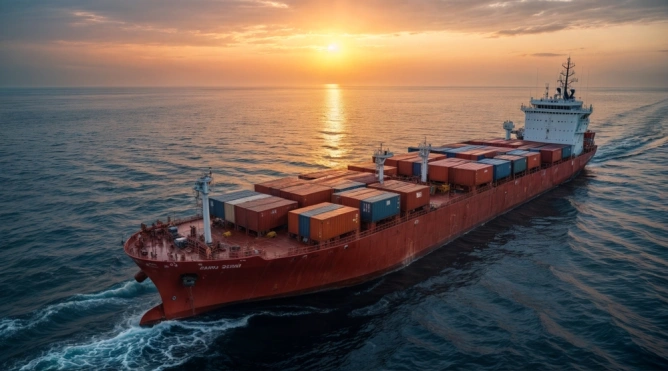
The global market could face a fuel oil shortage in the coming months after wars in Russia and the Middle East affected refineries and oil transport. In the third quarter of 2026, global demand could exceed supply by approximately 218,000 barrels per day, estimates consulting firm Energy Aspects.
Refineries are focusing production on diesel, gasoline and jet fuel, products that are more profitable than fuel oil, which is used mainly by ships and power plants. Attacks on oil facilities in Russia have reduced production, while the conflict in the Middle East has disrupted deliveries. China has reduced its refining activity and exports to protect its reserves, according to Reuters.
Asia is expected to be the worst-affected region because it depends on imports from Gulf countries. Singapore, the world’s most important marine bunkering hub, imports more than half of its needs.
Stocks in Singapore, Amsterdam-Rotterdam-Antwerp and Fujairah are approximately 30% below the average of the past three years. In Singapore, fuel oil prices have risen by 76%. Russia’s exports fell in August to around 591,000 barrels per day, from more than 860,000 in 2025, while exports from the Middle East declined by 45%.
Ships avoiding the Red Sea and the Bab el-Mandeb Strait travel longer routes and consume more fuel. Reduced supply and rising demand could trigger further price increases and higher costs for maritime transport and electricity generation.
}
Refineries are focusing production on diesel, gasoline and jet fuel, products that are more profitable than fuel oil, which is used mainly by ships and power plants. Attacks on oil facilities in Russia have reduced production, while the conflict in the Middle East has disrupted deliveries. China has reduced its refining activity and exports to protect its reserves, according to Reuters.
Asia is expected to be the worst-affected region because it depends on imports from Gulf countries. Singapore, the world’s most important marine bunkering hub, imports more than half of its needs.
Stocks in Singapore, Amsterdam-Rotterdam-Antwerp and Fujairah are approximately 30% below the average of the past three years. In Singapore, fuel oil prices have risen by 76%. Russia’s exports fell in August to around 591,000 barrels per day, from more than 860,000 in 2025, while exports from the Middle East declined by 45%.
Ships avoiding the Red Sea and the Bab el-Mandeb Strait travel longer routes and consume more fuel. Reduced supply and rising demand could trigger further price increases and higher costs for maritime transport and electricity generation.
}
Sources

Se prefigurează o penurie de combustibil pentru nave. Atacurile asupra rafinăriilor și perturbarea transporturilor, principalele cauze

Ce se întâmplă cu combustibilul navelor? Rezervele scad, iar prețurile au explodat

Se profilează o penurie de combustibil pentru nave, pe fondul reducerii ofertei de către rafinării – Creștere cu 76% a prețului în hub-ul de la Singapore
Latest News
19:29
EU-funded demining enables repairs at seven electrical substations in Khartoum
19:29
Karol Nawrocki will testify in the lawsuit against the Onet portal over an article about allegations concerning a prostitution scandal
19:29
The Portuguese Football Federation preselects Cristiano Ronaldo for Portugal’s upcoming Nations League matches
19:23
The basket for a decent living has become more expensive: A family with two children needs 11,668 lei per month for a minimally decent living in Romania
19:23
Protesters storm pro-Vučić TV station / Tens of thousands of Serbs celebrate political change
See more news
NEWS ON THE SAME TOPICS




Personalized news feed, AI-powered search, and notifications in a more interactive experience.


.webp)

.webp)


