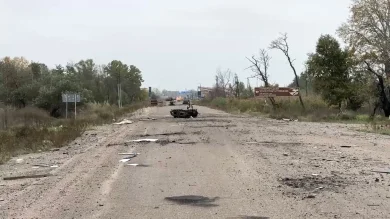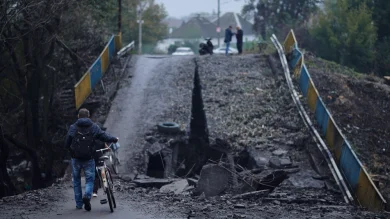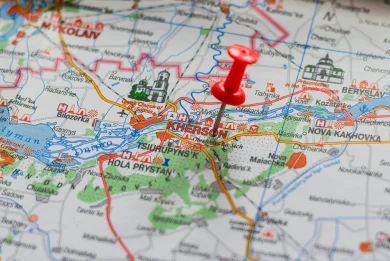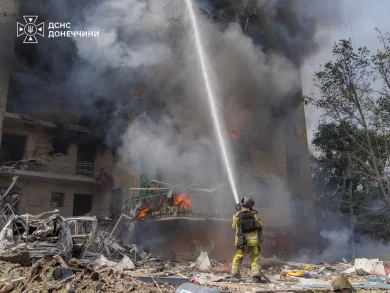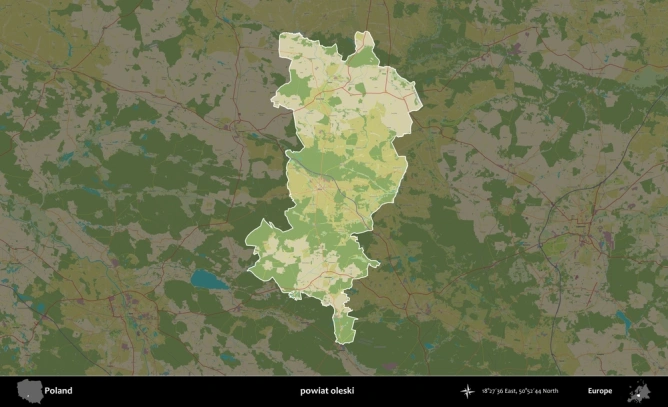

Before the operations began, Oleshky (a Ukrainian city under Russian control) was facing a severe shortage of food and medicine, and residents were reportedly left isolated. According to press reports, approximately 1,500 adults and 50 children were still in the city, while thousands of others lived in peripheral areas, with roads mined and access to communications difficult. Meanwhile, the last mentioned food delivery had arrived on May 26, and an evacuation attempt reportedly failed, as did a convoy that allegedly tried to enter the city on September 1.
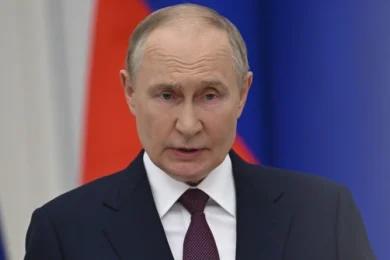
At the same time, the Vatican intervened diplomatically: Pope Leo called for support for a ceasefire that would allow aid to reach Oleshky, and the Kremlin announced that Vladimir Putin had agreed to cooperate following a phone call. Putin was described as willing to help ensure essential supplies, although the statement did not mention an agreement on the ceasefire requested by the pontiff.
At the same time, Russia and Ukraine announced preparations for a humanitarian mission: demining operations around the settlement were declared complete, allowing a convoy carrying food and medical supplies for the remaining residents to set out for Oleshky at night.