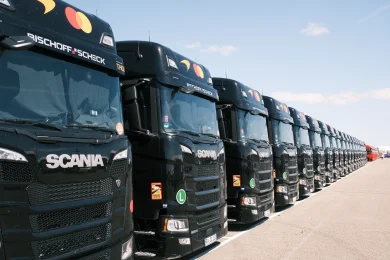
Bulgaria has introduced an automatic monitoring system for truck weights through sensors in the asphalt, which checks in real time vehicles that exceed 3.5 tons.
Miruna Brosban


.webp)
International
Foto / Inquam Photos / Ovidiu Iordachi

Always see our news on Google
Bulgaria has launched a new automated monitoring system for truck weights, using integrated sensors in the asphalt to detect vehicles that exceed the legal limit of 3.5 tons. This measure, which came into effect on October 15, is part of the authorities' efforts to reduce road damage caused by vehicle overloading. Through the Weigh In Motion (WIM) system, trucks are automatically weighed, and offenders receive images and an invitation to pay a compensatory fee of 1,200 leva (approximately 600 euros). If the fee is not paid, fines can reach 3,000 leva for the first offense and 4,000 leva for recidivism.
Additionally, Bulgarian authorities have also implemented high-performance radars to detect other traffic violations, such as dangerous overtaking and excessive speed. These devices can recognize the type of vehicle and can simultaneously monitor all lanes of a highway, recording the speeds of each vehicle. Drivers can check for any violations online and can make payments through various methods, including online platforms and border crossing counters.
Additionally, Bulgarian authorities have also implemented high-performance radars to detect other traffic violations, such as dangerous overtaking and excessive speed. These devices can recognize the type of vehicle and can simultaneously monitor all lanes of a highway, recording the speeds of each vehicle. Drivers can check for any violations online and can make payments through various methods, including online platforms and border crossing counters.
Sources


Latest News
13:24
Government approves 130 hires for the Momaia Tunnel and winter operations
13:14
Myanmar rejects the ICJ ruling recognizing the genocide committed against the Rohingya minority
13:14
China calls on Japan to withdraw its “incorrect” statements about Taiwan and change its attitude toward historical issues
13:12
Avocatul general al CJUE susține plata directă a creatorilor de către platforme, cu condiții împotriva dublei remunerări și a barierelor de licențiere
13:08
CJEU Advocate General Supports Remunerating Publishers for Platforms’ Reuse of Press Publications, with Limits on Content Published by the Publishers Themselves
See more news
NEWS ON THE SAME TOPICS
.webp)

Current Affairs
Transport operators report errors with TollRo and request postponement of penalties until the platform becomes fully functional
.webp)
Current Affairs
Bulgaria is restricting traffic on the Giurgiu–Ruse Friendship Bridge from October 19–22 and October 26–29



Personalized news feed, AI-powered search, and notifications in a more interactive experience.