search icon
search icon
Flag Arrow Down
Română
Română
Magyar
Magyar
English
English
Français
Français
Deutsch
Deutsch
Italiano
Italiano
Español
Español
Русский
Русский
日本語
日本語
中国人
中国人

Change Language

arrow down
  • Română
    Română
  • Magyar
    Magyar
  • English
    English
  • Français
    Français
  • Deutsch
    Deutsch
  • Italiano
    Italiano
  • Español
    Español
  • Русский
    Русский
  • 日本語
    日本語
  • 中国人
    中国人
Sections
  • News
  • Exclusive
  • INSCOP Surveys
  • Podcast
  • EU
  • Diaspora
  • Republic of Moldova
  • Politics
  • Economy
  • Current Affairs
  • International
  • Sport
  • Health
  • Education
  • IT&C knowledge
  • Arts & Lifestyle
  • Opinions
  • Elections 2025
  • Environment
About Us
Contact
Privacy policy
Terms and conditions
Quickly scroll through news digests and see how they are covered in different publications!
  • News
  • Exclusive
    • INSCOP Surveys
    • Podcast
    • EU
    • Diaspora
    • Republic of Moldova
    • Politics
    • Economy
    • Current Affairs
    • International
    • Sport
    • Health
    • Education
    • IT&C knowledge
    • Arts & Lifestyle
    • Opinions
    • Elections 2025
    • Environment
139 new news items in the last 24 hours
  1. Home
  2. International

An old molar of 59,000 years, discovered in Siberia, shows that Neanderthals performed dental interventions to treat cavities.

Cristiana Dida
whatsapp
facebook
linkedin
x
copy-link copy-link
14 May 2026, 14:10
main event image
International
Foto: shutterstock.com
google-preference

Always see our news on Google

An ancient molar approximately 59,000 years old, found in the Chagyrskaya cave in Siberia, provides evidence that Neanderthals practiced dental interventions to treat cavities. Researchers have identified traces of the use of a stone tool for cleaning the dental cavity, demonstrating advanced cognitive and technical skills. The molar shows a deep cavity, indicating a deliberate modification, not an accidental deterioration.


Experiments have shown that a similar hole could be created with a stone tool. This discovery challenges the idea that such complex behaviors belong exclusively to modern humans. Neanderthals, who disappeared 40,000 years ago, demonstrated advanced skills in planning and executing medical procedures. There is also evidence that they used toothpicks to remove food debris. This surgical intervention, although painful, highlights the will and ingenuity of Neanderthals.

Sources

sursa imagine
Ziare.com
Neanderthalienii își tratau cariile în urmă cu 60 de mii de ani. Cel mai vechi dinte plombat din lume, descoperit în Siberia
sursa imagine
Agerpres
Un dinte descoperit în Siberia dezvăluie o intervenție stomatologică efectuată asupra unui neanderthalian
sursa imagine
EuropaFM
Un molar de neanderthalian, descoperit în Siberia, prezintă cea mai veche intervenție stomatologică | AUDIO

Latest News

22:50

Tánczos Barna accuses the Government of cutting over 400 million lei from the national funds of the Ministry of Agriculture and Rural Development

22:21

A record number of Americans voted early, ahead of the U.S. midterm elections

21:50

Donald Trump is pressuring Lithuania to resume Belarusian potash exports through the port of Klaipėda

21:45

Karol Nawrocki interrupted his trip to Senegal after police entered the headquarters of the Constitutional Tribunal

21:23

BYD will bring intelligent driving technologies to Europe over the next 15 months

See more news

NEWS ON THE SAME TOPICS
event image
Current Affairs
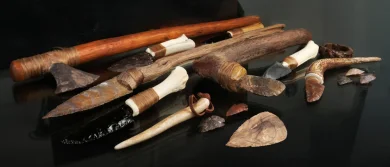
Archaeologists have discovered evidence that Neanderthals in Romania used bone tools at the site Abri 122/1200, dating from the Middle Paleolithic.
event image
International
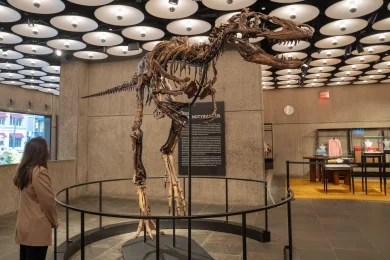
A rare Nanotyrannus skeleton sold for $47.3 million at an auction in New York
event image
Health
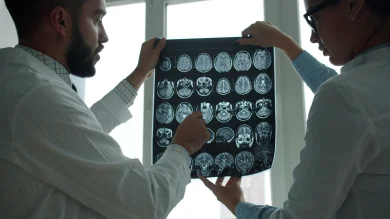
World premiere in medicine! The first brain surgery assisted by artificial intelligence has been performed.
event image
Current Affairs
A man accuses the Negrești-Oaș County Hospital of medical negligence, after the on-duty doctor allegedly stitched his face without removing a wooden splinter.
event image
IT&C knowledge
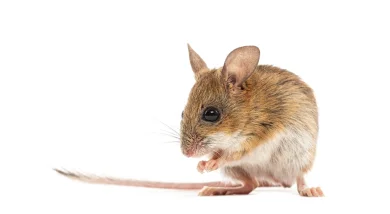
Sergiu Pașca, Romanian physician and researcher, reconstructed the cerebral cortex of mice using human neurons
event image
IT&C knowledge
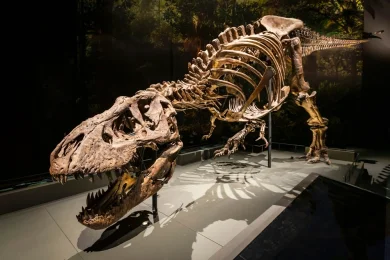
Researchers at the University of California discovered that Tyrannosaurus rex was warm-blooded
app preview
Personalized news feed, AI-powered search, and notifications in a more interactive experience.
app preview app preview
Siberia discovery Neanderthal stomatology

Editor’s Recommendations

main event image
Opinions
Yesterday 09:20

Andrei Cornea: Under the Shock of Violence

main event image
Exclusive
Yesterday 08:26

SPECIAL Informat.ro / Romania, in the European press: Top topics from the past two weeks. Black Sea security, Europe's focus

main event image
Exclusive
Yesterday 15:15

DOC The Roots of the Conflict in the Middle East: The Power Map Drawn in the Sand by European Interests

app preview
Personalized news feed, AI-powered search, and notifications in a more interactive experience.
app preview
app store badge google play badge
  • News
  • Exclusive
  • INSCOP Surveys
  • Podcast
  • EU
  • Diaspora
  • Republic of Moldova
  • Politics
  • Economy
  • Current Affairs
  • International
  • Sport
  • Health
  • Education
  • IT&C knowledge
  • Arts & Lifestyle
  • Opinions
  • Elections 2025
  • Environment
  • About Us
  • Contact
Privacy policy
Cookies Policy
Terms and conditions
Open source licenses
All rights reserved Strategic Media Team SRL

Technology in partnership with

anpc-sal anpc-sol