Sergiu Pașca, Romanian physician and researcher, reconstructed the cerebral cortex of mice using human neurons



Always see our news on Google
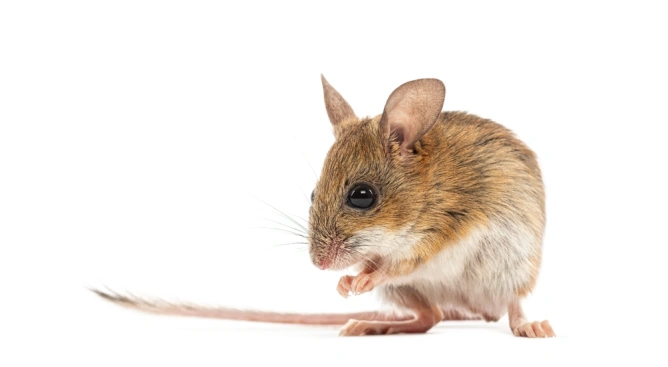
Romanian-born physician and researcher Sergiu Pașca is a co-author of a study published in the journal Nature, in which a team of scientists transplanted human brain tissue into the brains of genetically modified mice. The experiment aims to provide a model more closely resembling the human brain for studying neurological diseases and testing treatments.
The researchers deactivated the Esco2 gene in mouse embryos, preventing the formation of the neocortex and hippocampus. As a result, the animals’ brains remained smaller and had space for the development of human tissue. Shortly after birth, each pup was implanted with four fragments of human cortical tissue.
The procedure had an adaptation rate of more than 86%. After approximately three months, the transplanted tissue had come to represent nearly 92% of the mice’s cortex and had formed connections with the animals’ brains and spinal cords. Analyses identified neurons specific to the human cortex, including Von Economo neurons.
The model could enable the study of diseases such as autism, epilepsy, or Alzheimer’s using cells derived from patients. However, the mice retained behavior normal for their species, and the research raises ethical questions about conducting similar experiments on animals more closely related to humans.
Sources





Latest News
10:25
10:25
10:09
09:45
09:28
See more news
NEWS ON THE SAME TOPICS