The EU allocates 2.3 million euros for combating cholera in four countries in West and Central Africa
Liviu Brăteanu


EU
Foto: Pixabay

Always see our news on Google
The European Union allocates 2.3 million euros in emergency humanitarian funding to combat the cholera epidemic in Nigeria, Cameroon, the Central African Republic, and Chad, at a time when over 61,000 cases have been reported in the African region of the World Health Organization in the first five months of the year. Nigeria will receive 1.5 million euros, the largest portion of the support, after the number of cases surged in May.
In short, the European Commission allocates 2.3 million euros for the cholera response in Nigeria, Cameroon, the Central African Republic, and Chad. Nigeria receives 1.5 million euros for intervention teams, cholera kits, water and sanitation, epidemiological surveillance, and case treatment. The Central African Republic will receive 500,000 euros, Chad 200,000 euros, and Cameroon 100,000 euros. The WHO reported 61,888 cases of cholera and acute watery diarrhea and 1,230 deaths in the African region between January 1 and May 31, 2026. Nigeria reported 6,860 cases and 80 deaths in the first five months of the year, of which 5,798 cases and 54 deaths occurred in May alone.
The largest part of the European funding, 1.5 million euros, is intended for Nigeria, where the epidemic intensified significantly in May. The money will be used to increase the number of intervention teams, purchase cholera treatment kits, and expand water, sanitation, and hygiene measures, including treating public water supply points and water used in households.
Support will also be used to intensify epidemiological surveillance in hard-to-reach areas, improve case treatment, and inform communities about risks and preventive measures. Nigeria reported 6,860 cases and 80 deaths between the beginning of the year and May 31, according to the latest consolidated epidemiological update from the WHO.
The situation deteriorated rapidly in May when Nigeria recorded 5,798 new cases and 54 deaths associated with cholera. The increase was largely concentrated in Borno state, which reported 5,267 cases and 49 deaths during the month, with ten local administrative areas, Maiduguri and Jere being the most affected.
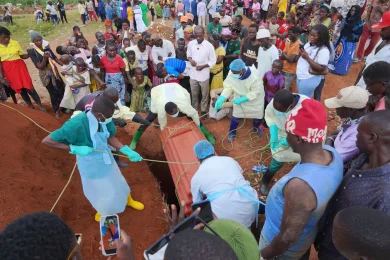
The Central African Republic will receive 500,000 euros for expanding case treatment and vaccination, as well as for interventions regarding water, sanitation, and hygiene. The funds will also support communication with the population, faster identification of cases, epidemiological surveillance, and the safe organization of burials.
In Chad, 200,000 euros will be used to interrupt transmission chains by improving access to safe water, sanitation, and hygiene, and by supporting communities involved in disease surveillance and case management. Cameroon will receive 100,000 euros to limit outbreaks and treatment, including by supplementing the staff of humanitarian organizations, providing medicines, and setting up additional treatment units and oral rehydration points in the most affected localities.
The funding comes against the backdrop of an epidemic that continues to affect numerous African states. Between January 1 and May 31, the African region of the WHO reported 61,888 cases of cholera and acute watery diarrhea in 16 countries and 1,230 deaths. The Democratic Republic of the Congo had the highest number of cases, 28,567, followed by South Sudan with 7,712, and Mozambique with 7,500.
In May, the African region recorded 14,230 new cases in ten countries, 39% more than in the previous month, as well as 201 deaths. Nigeria had the highest number of new cases, followed by the Democratic Republic of the Congo, Angola, and South Sudan.
Globally, the WHO reported 114,829 cases of cholera and acute watery diarrhea and 1,318 deaths in 23 countries in the first five months of 2026. In May alone, 29,610 new cases and 271 deaths were recorded, with the number of cases increasing by 43% compared to the previous month.
The WHO warns that conflicts, massive population displacements, disasters, and climate events have created conditions in recent years that favor the transmission of cholera, especially in rural communities and in flood-affected areas. Poor infrastructure and limited access to medical services can delay treatment, and population displacement can make outbreaks more difficult to control.
The European Commissioner for Equality, Preparedness, and Crisis Management, Hadja Lahbib, stated that cholera can be prevented and treated, but it continues to cause casualties when people lack access to safe water and medical services. "Cholera is preventable and treatable. Yet it still threatens lives when people lack something as basic as safe water and healthcare. At a time when humanitarian needs are growing and resources are shrinking, Europe is not looking away."
Lahbib added that emergency funding is intended for rapid intervention to limit outbreaks and protect communities at the highest risk. European support is primarily focused on access to safe water, case treatment, epidemiological surveillance, and reducing transmission in communities.
Cholera is an infection caused by the bacterium Vibrio cholerae and is most commonly transmitted through the consumption of contaminated water. In severe forms, rapid loss of fluids can lead to severe dehydration and shock, making rapid access to rehydration and treatment essential.
WHO data must be interpreted considering the differences between national surveillance systems, definitions used for cases, and testing capacity. The organization specifies that the figures may be affected by underreporting and delays and that, unless otherwise specified, its aggregated data includes both suspected and confirmed cases.
In the first five months of the year, the African region recorded the highest number of cases among WHO regions and nearly all deaths reported globally. European funding focuses on four of the countries in West and Central Africa where interventions for water, sanitation, treatment, and surveillance can be immediately expanded.
In short, the European Commission allocates 2.3 million euros for the cholera response in Nigeria, Cameroon, the Central African Republic, and Chad. Nigeria receives 1.5 million euros for intervention teams, cholera kits, water and sanitation, epidemiological surveillance, and case treatment. The Central African Republic will receive 500,000 euros, Chad 200,000 euros, and Cameroon 100,000 euros. The WHO reported 61,888 cases of cholera and acute watery diarrhea and 1,230 deaths in the African region between January 1 and May 31, 2026. Nigeria reported 6,860 cases and 80 deaths in the first five months of the year, of which 5,798 cases and 54 deaths occurred in May alone.
The largest part of the European funding, 1.5 million euros, is intended for Nigeria, where the epidemic intensified significantly in May. The money will be used to increase the number of intervention teams, purchase cholera treatment kits, and expand water, sanitation, and hygiene measures, including treating public water supply points and water used in households.
Support will also be used to intensify epidemiological surveillance in hard-to-reach areas, improve case treatment, and inform communities about risks and preventive measures. Nigeria reported 6,860 cases and 80 deaths between the beginning of the year and May 31, according to the latest consolidated epidemiological update from the WHO.
The situation deteriorated rapidly in May when Nigeria recorded 5,798 new cases and 54 deaths associated with cholera. The increase was largely concentrated in Borno state, which reported 5,267 cases and 49 deaths during the month, with ten local administrative areas, Maiduguri and Jere being the most affected.
The Central African Republic will receive 500,000 euros for expanding case treatment and vaccination, as well as for interventions regarding water, sanitation, and hygiene. The funds will also support communication with the population, faster identification of cases, epidemiological surveillance, and the safe organization of burials.
In Chad, 200,000 euros will be used to interrupt transmission chains by improving access to safe water, sanitation, and hygiene, and by supporting communities involved in disease surveillance and case management. Cameroon will receive 100,000 euros to limit outbreaks and treatment, including by supplementing the staff of humanitarian organizations, providing medicines, and setting up additional treatment units and oral rehydration points in the most affected localities.
The funding comes against the backdrop of an epidemic that continues to affect numerous African states. Between January 1 and May 31, the African region of the WHO reported 61,888 cases of cholera and acute watery diarrhea in 16 countries and 1,230 deaths. The Democratic Republic of the Congo had the highest number of cases, 28,567, followed by South Sudan with 7,712, and Mozambique with 7,500.
In May, the African region recorded 14,230 new cases in ten countries, 39% more than in the previous month, as well as 201 deaths. Nigeria had the highest number of new cases, followed by the Democratic Republic of the Congo, Angola, and South Sudan.
Globally, the WHO reported 114,829 cases of cholera and acute watery diarrhea and 1,318 deaths in 23 countries in the first five months of 2026. In May alone, 29,610 new cases and 271 deaths were recorded, with the number of cases increasing by 43% compared to the previous month.
The WHO warns that conflicts, massive population displacements, disasters, and climate events have created conditions in recent years that favor the transmission of cholera, especially in rural communities and in flood-affected areas. Poor infrastructure and limited access to medical services can delay treatment, and population displacement can make outbreaks more difficult to control.
The European Commissioner for Equality, Preparedness, and Crisis Management, Hadja Lahbib, stated that cholera can be prevented and treated, but it continues to cause casualties when people lack access to safe water and medical services. "Cholera is preventable and treatable. Yet it still threatens lives when people lack something as basic as safe water and healthcare. At a time when humanitarian needs are growing and resources are shrinking, Europe is not looking away."
Lahbib added that emergency funding is intended for rapid intervention to limit outbreaks and protect communities at the highest risk. European support is primarily focused on access to safe water, case treatment, epidemiological surveillance, and reducing transmission in communities.
Cholera is an infection caused by the bacterium Vibrio cholerae and is most commonly transmitted through the consumption of contaminated water. In severe forms, rapid loss of fluids can lead to severe dehydration and shock, making rapid access to rehydration and treatment essential.
WHO data must be interpreted considering the differences between national surveillance systems, definitions used for cases, and testing capacity. The organization specifies that the figures may be affected by underreporting and delays and that, unless otherwise specified, its aggregated data includes both suspected and confirmed cases.
In the first five months of the year, the African region recorded the highest number of cases among WHO regions and nearly all deaths reported globally. European funding focuses on four of the countries in West and Central Africa where interventions for water, sanitation, treatment, and surveillance can be immediately expanded.

Latest News
23:00
London authorities close traffic on Oxford Street: Britain’s busiest shopping street becomes pedestrian-only
22:55
Meta seeks to raise up to $95 billion to expand its artificial intelligence infrastructure
22:47
Audi CEO criticized in Germany after appearing alongside Trump / Gernot Döllner participated in the announcement of a $4.2 billion investment to build Audi’s first factory in the US
22:39
Kelemen Hunor estimates that the Luca Niculescu Government will remain in power until 2028: “If nobody brings you down, then you have no choice, you are condemned to govern”
22:33
Microsoft offers voluntary departures to approximately 60,000 employees across four countries amid massive investments in artificial intelligence
See more news
NEWS ON THE SAME TOPICS


Personalized news feed, AI-powered search, and notifications in a more interactive experience.