The commission updates the "Cancer Prevention Code", in the context in which 40% of cases are preventable.
2eu.brussels


EU
Foto: 2eu.brussels

Always see our news on Google
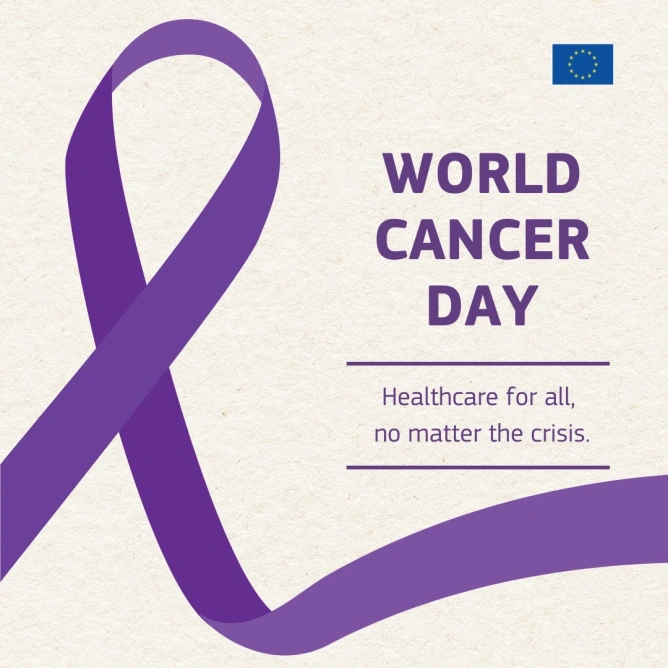
Brussels, February 3, 2026 – Ahead of World Cancer Day on February 4, the European Commission has unveiled a major update to the European Code Against Cancer. The revised guidelines, developed by over 60 experts over four years, place renewed emphasis on lifestyle choices and public health measures, highlighting that a significant portion of cancer cases in the EU could be avoided through prevention.
In brief
The updated code focuses on practical prevention measures, including vaccination, screening, breastfeeding, and reducing the consumption of ultra-processed foods. Cancer remains a massive challenge, with 2.7 million new cases and 1.3 million deaths in 2024, costing the EU economy 100 billion euros annually. The launch marks five years since the European Cancer Plan, which has invested over 2.7 billion euros in research, care, and prevention since its inception.
The updated code serves as a preventive tool tailored to EU health systems. It addresses modern risk factors such as ultra-processed foods and air pollution, alongside established concerns like alcohol consumption. The Commission has highlighted the link between cancer and other non-communicable diseases; for example, addressing these common risk factors could prevent not only 40% of cancer cases but also approximately 80% of premature heart attacks and strokes.
The economic and human toll remains staggering. In 2024 alone, the EU recorded 2.7 million new cases and 1.3 million cancer-related deaths. Beyond the emotional impact, the disease drains 100 billion euros from the European economy each year.
This announcement coincides with the 5th anniversary of the European Cancer Plan. Since 2021, the Plan has invested over 2.7 billion euros in projects ranging from early detection to the quality of life for patients. Working with nearly 630 partner organizations and the EU Mission for Cancer, the Plan continues to drive research into the biological and environmental determinants of the disease.
In brief
The updated code focuses on practical prevention measures, including vaccination, screening, breastfeeding, and reducing the consumption of ultra-processed foods. Cancer remains a massive challenge, with 2.7 million new cases and 1.3 million deaths in 2024, costing the EU economy 100 billion euros annually. The launch marks five years since the European Cancer Plan, which has invested over 2.7 billion euros in research, care, and prevention since its inception.
The updated code serves as a preventive tool tailored to EU health systems. It addresses modern risk factors such as ultra-processed foods and air pollution, alongside established concerns like alcohol consumption. The Commission has highlighted the link between cancer and other non-communicable diseases; for example, addressing these common risk factors could prevent not only 40% of cancer cases but also approximately 80% of premature heart attacks and strokes.
The economic and human toll remains staggering. In 2024 alone, the EU recorded 2.7 million new cases and 1.3 million cancer-related deaths. Beyond the emotional impact, the disease drains 100 billion euros from the European economy each year.
This announcement coincides with the 5th anniversary of the European Cancer Plan. Since 2021, the Plan has invested over 2.7 billion euros in projects ranging from early detection to the quality of life for patients. Working with nearly 630 partner organizations and the EU Mission for Cancer, the Plan continues to drive research into the biological and environmental determinants of the disease.

Latest News
22:57
Prosecutor seeks sentences of up to 12 years for three doctors accused in the death of Diego Maradona
22:53
Donald Trump calls those who use the term “artificial intelligence” instead of “Super Intelligence” “enemies”
22:42
A bison weighing over 800 kilograms was found dead and decapitated in Măgura Ilvei. The police are investigating the case
22:30
George Simion, comment on Luca Niculescu's post about negotiations with the parties: “So, will you be the prime minister in the PSD government?”
22:28
Trump promises that the US will not resume attacks before the midterm elections
See more news
NEWS ON THE SAME TOPICS




Personalized news feed, AI-powered search, and notifications in a more interactive experience.