The SANT Committee calls for stricter rules on tobacco and nicotine and mandatory warnings on alcohol




Always see our news on Google
The European Parliament’s Committee on Public Health calls for an update of the legislation on electronic cigarettes, heated tobacco and nicotine pouches, including restrictions on flavors attractive to young people and online sales to minors. The report on the European Beating Cancer Plan also calls for visible health warnings on alcoholic beverages and a harmonized front-of-pack nutrition label for food.
The European Parliament’s Committee on Public Health calls for a broader review of cancer prevention policies, with updated rules for electronic cigarettes, heated tobacco and nicotine pouches, mandatory and visible health warnings on alcoholic beverages, and a harmonized nutrition label on the front of food packaging. The requests are part of the report on the implementation of the European Beating Cancer Plan, adopted in SANT by 27 votes in favor, 8 against and 5 abstentions.
In brief
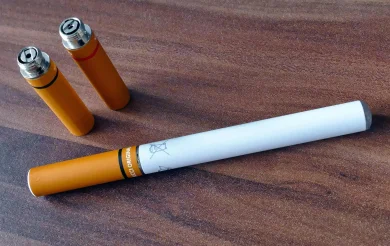
1. SANT calls for an update of EU legislation for electronic cigarettes, heated tobacco products and nicotine pouches, so that new products are covered more clearly by prevention rules.
2. The measures supported include restrictions on flavors attractive to young people, requirements concerning ingredients and packaging, and blocking online sales of nicotine products to minors.
3. MEPs also call for an increase in the minimum levels of excise duties on tobacco and nicotine, without the report itself setting new tax rates.
4. For alcohol, mandatory, standardized and visible health information on packaging is requested, as well as measures to reduce consumption among minors and exposure to marketing.
5. For food, the report calls for a mandatory, harmonized and scientifically evidence-based front-of-pack nutrition label, without choosing at this stage a specific commercial labeling system.
In the case of tobacco and nicotine, the report starts from the emergence of products and forms of consumption that do not always fit the legislative framework originally designed for conventional cigarettes. The SANT Committee calls for electronic cigarettes, heated tobacco products and nicotine products, including pouches, to be addressed more explicitly in the future review of European legislation. The instruments supported include rules on flavors, nicotine content, ingredients, packaging and marketing, with particular attention to products and presentations that may attract children and adolescents.
The report also calls for measures against online sales to minors, including more effective age-verification mechanisms. In the compromise text, some of the measures concerning tobacco and nicotine products are formulated as options that may be included in the revised legislation, meaning that the SANT vote does not directly establish these bans. It sets out the parliamentary committee’s position ahead of the next stages of the dossier and before any possible legislative proposals by the European Commission.
The fiscal component seeks to reduce the affordability of products by increasing the minimum levels of excise duties on tobacco and nicotine and updating them periodically. However, the report does not establish new tax rates applicable immediately in the Member States. An effective change in taxation requires separate legislative acts, and the distinction between Parliament’s political request and an applicable tax rule must be maintained.
For alcohol, MEPs call for mandatory, standardized and sufficiently visible health warnings on all alcoholic beverages, together with a revised European strategy. The report emphasizes preventing consumption among minors and reducing their exposure to advertising and other forms of marketing. The request concerns informing consumers about health risks and does not amount to a general ban on the sale or consumption of alcohol.
The adopted text also addresses nutrition information for food separately. SANT calls for a mandatory and harmonized front-of-pack labeling system, scientifically grounded, to make nutrition information easier to understand and compare. However, the available documents do not designate a specific commercial system and do not support the conclusion that Parliament has already chosen a single model to be applied throughout the Union.
The report also links prevention to reducing exposure to other risk factors. The compromise discusses, among other things, measures concerning the advertising of nicotine products on platforms and at points of sale, the examination of restrictions on the use of tanning beds by minors, and the prevention of infections associated with certain types of cancer. Some of these elements are more detailed in the compromise text than in Parliament’s public statement, and their exact form must be followed in the final report before being presented as the institution’s definitive position.
The report thus seeks to shift a greater part of European cancer policy toward preventing exposure to risk factors, but the committee vote does not directly amend legislation on tobacco, excise duties, alcohol or food labeling. Effective changes would require separate legislative procedures and, depending on the area, proposals from the European Commission and the agreement of the other institutions.
This procedural distinction is essential. SANT adopted a political position on how the European Beating Cancer Plan should be continued. The requests concerning flavors, online sales, warnings on alcohol or food labels indicate the direction desired by the parliamentary committee, but do not yet constitute obligations for producers, traders or consumers.
Latest News
20:09
19:53
19:25
19:07
19:00
See more news
NEWS ON THE SAME TOPICS

.webp)