Commission proposes regular cardiovascular checks in all EU countries, from blood pressure to cholesterol and blood sugar



Always see our news on Google
The European Commission wants cardiovascular risk assessment to become a regular component of prevention in all EU countries and is proposing, for the first time, European recommendations on who should be tested, how often, and which indicators should be monitored. The proposal for a Council Recommendation includes measuring blood pressure, blood glucose, and cholesterol, more frequent check-ups for people at high risk, and the possibility of offering screening in pharmacies, community centres, or through mobile units.
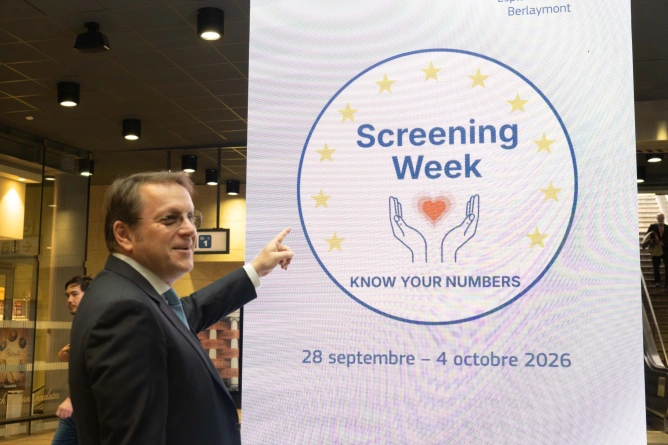
The initiative was presented alongside the launch of the first EU Screening Week, organised between 28 September and 4 October. The Commission argues that prevention must begin before symptoms appear, at a time when cardiovascular diseases remain the leading cause of death in the EU, accounting for approximately 1.7 million deaths annually and affecting around 62 million people.
In brief
1.The Commission proposes nationwide cardiovascular check-ups in all Member States, including measurements of indicators such as blood pressure, blood glucose, and cholesterol.
2.For adults between 35 and 64 years of age, systematic check-ups are recommended at least once every five years, while for people aged 65 and over, they are recommended every three to five years.
3.People under 35 would receive at least one check-up, with individualised monitoring if there is a family history or other risk factors.
4.The Commission estimates the cost of cardiovascular diseases to the EU economy at more than EUR 282 billion annually, of which approximately EUR 47 billion represents lost productivity.
5.The proposal allows the use of data and artificial intelligence-based tools for risk assessment, but requires their use on an evidence-based basis, with human oversight and compliance with EU legislation.
Cardiovascular diseases are both the leading cause of death and one of the main sources of disability in the European Union. The Commission estimates that approximately 80% of these diseases can be prevented by reducing risk factors such as high blood pressure, high cholesterol, elevated blood glucose, and obesity. Nevertheless, fewer than half of the Member States currently have organised cardiovascular check-ups, and existing systems differ considerably from one country to another.
The proposal seeks to create a common basis without imposing a single model. Member States would build their programmes on the latest scientific evidence and adapt them to population structure, disease distribution, differences between women and men, and regional health inequalities. The recommendation is not binding and must first be discussed and adopted by the Council.
For people under 35, the Commission’s written document recommends at least one check-up including blood pressure, blood glucose, and cholesterol. If there is a family history of premature cardiovascular disease or sudden cardiac death, or other risk factors, monitoring should be individualised. For adults between 35 and 64, the Commission recommends systematic check-ups at least once every five years and more frequently when the individual profile indicates a higher risk.
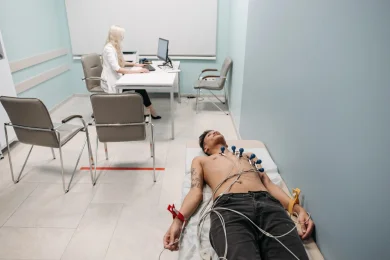
For the 35–64 age group, the proposed assessment is broader than the three basic measurements. The Commission indicates analysis of factors related to lifestyle, respiratory function, reproductive health, mental and kidney health, body mass index, and waist circumference or waist-to-height ratio, together with medical and family history. For people aged 65 and over, check-ups are recommended every three to five years and may be supplemented, when necessary, with an electrocardiogram and pulse checks to detect heart rhythm disorders.
The Commission places separate emphasis on access for people who have greater difficulty reaching preventive services. Rather than making checks dependent exclusively on the patient attending a medical facility, the recommendation proposes using primary care practices, pharmacies, and community centres, as well as mobile units that can reach rural or underserved areas. The aim is to reduce differences in access both between Member States and within them.
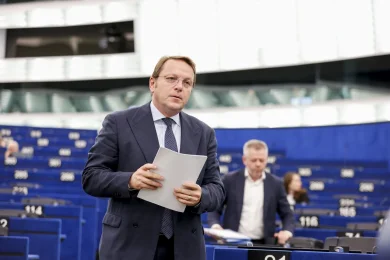
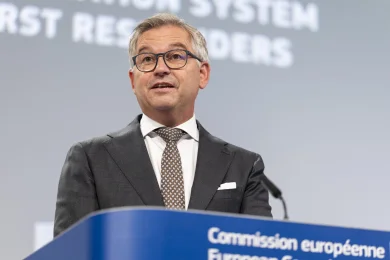
Olivér Várhelyi, Commissioner for Health and Animal Welfare, linked the initiative to the growing pressure on European healthcare systems. At the press conference in Brussels, he cited population ageing, the rise in chronic diseases, and the shortage of medical staff as reasons for shifting from a system focused predominantly on treating disease to one that identifies risks earlier. “Prevention should become a European reflex”, Várhelyi said.
The Commissioner drew particular attention to hypertension, diabetes, obesity, and physical inactivity. According to the data he presented, almost half of the European population has high blood pressure, while approximately half of those affected are unaware of it. He also said that the proportion of people living with diabetes has increased by 22% in Europe over the past decade and that, in some countries, one in four people with diabetes does not know they have the condition.
Digitalisation is another element of the plan. The proposal allows the use of data- and artificial intelligence-based tools to identify people at risk more accurately, analyse results, and personalise prevention, but the Commission specifies that these systems must be used on an evidence-based basis, under human oversight, and in accordance with European legislation. The European Health Data Space is expected to facilitate access for professionals and patients to relevant information and the secure reuse of data for research and the development of such tools.
A separate project, the European Cardiovascular Health Data and AI Network, coordinated by the European Society of Cardiology and funded with approximately EUR 20 million through EU4Health, is expected to connect cardiovascular data and expertise from several countries and also contribute to the development of models for the safe use of artificial intelligence solutions in healthcare.
Economic cost is one of the arguments used by the Commission for expanding prevention. According to the estimates presented, cardiovascular diseases generate costs of more than EUR 282 billion annually in the EU, including approximately EUR 47 billion in lost productivity. The Commission cites assessments according to which one euro invested in well-designed public health interventions can generate economic benefits of up to EUR 14, although the return depends on the type of intervention and how it is implemented.
Member States would receive support for testing and progressively introducing the recommendations. The Commission is preparing a new joint action on lifelong prevention through EU4Health, while the Organisation for Economic Co-operation and Development and the World Health Organization will receive European funding for two technical assistance projects, each worth EUR 2 million. Another project, LENSES, planned for the end of 2027 and funded with EUR 1.6 million, should support public information and health literacy.
The first EU Screening Week turns the recommendation into a campaign aimed directly at the public. Local activities are scheduled in several countries between 28 September and 4 October, while the “Know Your Numbers” campaign encourages citizens to speak with a healthcare professional about blood pressure, cholesterol, and blood glucose. The campaign itself will be launched on World Heart Day, on 29 September, and will continue throughout 2027.
The initiative is part of the Safe Hearts Plan presented by the Commission in December 2025, which sets the goal of reducing premature cardiovascular deaths by 25% by 2035. However, the recommendation on health check-ups is currently only a proposal addressed to the Council. The exact frequency of check-ups, the organisation of programmes, and the way in which they will be integrated into healthcare systems will depend on the final form adopted and subsequent implementation in each Member State.

Latest News
23:01
22:57
22:53
22:50
22:43
See more news
NEWS ON THE SAME TOPICS





.webp)