European Parliament approves new limits for hazardous substances in the workplace



Always see our news on Google
The European Parliament approved on Tuesday the sixth update to the directive on protecting employees exposed to carcinogenic, mutagenic and reprotoxic substances. The new rules introduce stricter limits for several substances used in industry and aim to reduce risks to workers’ health.
The provisions cover cobalt and inorganic cobalt compounds, used including in battery production, polycyclic aromatic hydrocarbons, 1,4-dioxane and isoprene, used in rubber manufacturing. The measures apply particularly in the battery industry, metallurgy, the chemical and textile industries, as well as in other sectors with exposure risks.
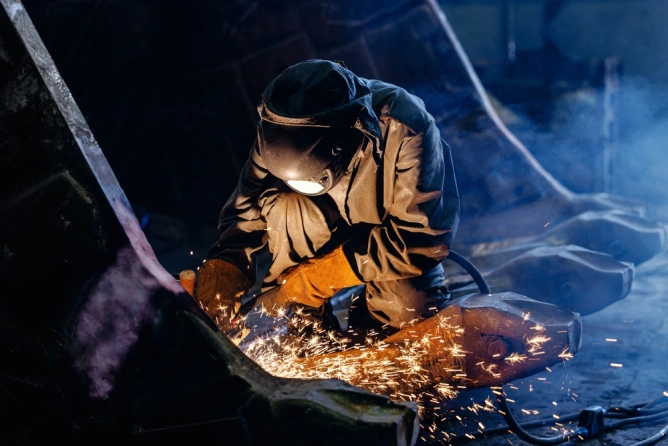
The Parliament also calls for the assessment of additional limits for substances present in welding fumes. Employers will have to provide personal protective equipment, including respiratory devices, regular breaks in uncontaminated areas and equipment adapted to each worker. The rules also pay attention to firefighters and employees in emergency services.
According to European estimates, occupational exposure to carcinogenic substances causes approximately 120,000 cases of cancer and 80,000 deaths in the EU every year.
The new measures could prevent, over the next 40 years, around 1,700 cases of lung cancer and 19,000 other illnesses.
Sources


Latest News
07:24
07:18
07:15
07:14
07:10
See more news
NEWS ON THE SAME TOPICS
.webp)