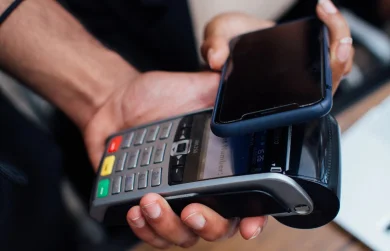
The Council of the European Union has approved a model of digital euro that allows for use both online and offline, issued by the European Central Bank.
Sanziana Georgescu



Economy
sursa foto: unsplash.com

Always see our news on Google
The Council of the European Union adopted a negotiating position for the digital euro on Friday, supporting a model that allows the use of the digital currency both online and offline, in contrast to previous proposals from the European Parliament, which focused exclusively on offline functionality. The digital euro is set to be issued by the European Central Bank (ECB) and will be accessible regardless of internet connectivity.
Online transactions will be processed immediately through the ECB's ledger or authorized intermediaries, while offline transactions will be recorded locally and synchronized later. This approach ensures the use of the digital euro in areas with weak connectivity and maintains a level of confidentiality similar to that of cash.
The ECB is working on the digital euro to modernize the payment system and maintain the currency's relevance in the context of the digitalization of the economy. The Council has set limits on holdings of the digital euro to prevent financial risks, and providers will offer basic services for free, with the option to charge fees for additional services. The agreement paves the way for negotiations with the European Parliament, and the digital euro could be operational around 2029, following a planned pilot phase in 2027.
Online transactions will be processed immediately through the ECB's ledger or authorized intermediaries, while offline transactions will be recorded locally and synchronized later. This approach ensures the use of the digital euro in areas with weak connectivity and maintains a level of confidentiality similar to that of cash.
The ECB is working on the digital euro to modernize the payment system and maintain the currency's relevance in the context of the digitalization of the economy. The Council has set limits on holdings of the digital euro to prevent financial risks, and providers will offer basic services for free, with the option to charge fees for additional services. The agreement paves the way for negotiations with the European Parliament, and the digital euro could be operational around 2029, following a planned pilot phase in 2027.
Sources

Consiliul UE, de acord cu un euro digital funcțional atât online, cât și offline

Consiliul UE susține euro digital cu funcționalitate online și offline, în divergență cu poziția Parlamentului European

Consiliul UE dă undă verde unui euro digital. Moneda va fi utilizată online, cât și offline
Latest News
22:58
The Minister of Health requests estimates regarding the budget and the number of employees needed in hospitals and ambulance services
22:44
ECHR condemns Romania over ineffective investigation into Iancu Sandu’s death during the Revolution
22:41
Iran’s president, message to Vladimir Putin: “I believe that we are capable of resolving our problems in the region without depending on the United States”
22:21
Italy’s government is calling for the swift appointment of a common EU representative for negotiations with Russia
22:08
Luca Niculescu: The budget rectification will take place in parallel with the presentation of the state of the country’s finances / “It seems logical to me that we should know the state of the country’s finances”
See more news
NEWS ON THE SAME TOPICS





Personalized news feed, AI-powered search, and notifications in a more interactive experience.