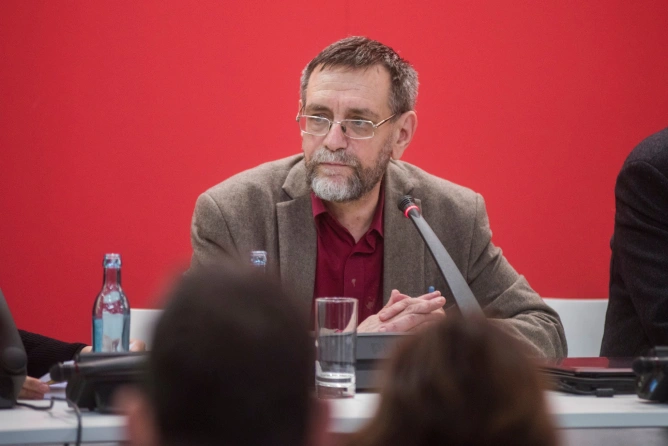
Gazprom is negotiating with the Hungarian oil company MOL regarding the sale of its majority stake in NIS, the operator of the only refinery in Serbia.
Raluca Ioana Draghici


Economy
www.shutterstock.com

Always see our news on Google
Two Russian companies, Gazprom Neft and Gazprom, hold 44.9% and 11.3% of NIS shares, respectively, but are required to sell their stakes due to sanctions imposed by the USA. The Serbian state owns 29.9% of the shares, while the remainder is distributed among small shareholders and employees. Serbian President Aleksandar Vucic mentioned that Gazprom is in talks with the Hungarian group MOL for the sale of the shares, emphasizing that this partnership is welcome. Vucic has requested the completion of the process by January 15. The sanctions have led to the halt of payments for NIS and the suspension of oil deliveries to the refinery. Additionally, Serbia will extend the gas supply agreement with Russia for another three months, remaining one of the few European buyers of Russian gas. Although Serbia aspires to join the European Union, it has not yet implemented EU sanctions against Russia, in the context where its neighbors are facing similar issues due to sanctions imposed on Russian oil companies.
Sources

Gazprom negociază cu MOL vânzarea participației pe care o deține la compania energetică sârbă NIS, a anunțat președintele Aleksandar Vucic

Gazprom negociază cu MOL vânzarea participaţiei sale deţinute la NIS (preşedintele Serbiei)

Gazprom negociază cu ungurii de la MOL posibila vânzare a participației sale la singura rafinărie a Serbiei - NIS

Gazprom negociază cu ungurii de la MOL vânzarea rafinăriei NIS din Serbia

Gazprom negociază cu MOL vânzarea participaţiei deţinute la NIS
Latest News
23:01
Ministry of Finance: Romania still has €6.43 billion to receive through the NRRP. The European Commission’s decision is expected by November 20
22:57
Approximately 6,800 minors detained in France amid protests at schools / Lawyers report possible abuses by law enforcement
22:53
Franța și Germania propun relaxarea țintei de emisii pentru mașinile noi din 2035 în schimbul unor reguli favorabile producției europene
22:50
The Commission will create a European coalition of companies against human trafficking
22:43
South-East and South-West Oltenia have 38% and 36% of their populations at risk of poverty or social exclusion
See more news
NEWS ON THE SAME TOPICS

Personalized news feed, AI-powered search, and notifications in a more interactive experience.


.webp)