Longer and warmer summers increase the risk of infectious diseases in Europe



Always see our news on Google
High temperatures maintained for longer periods favor bacteria in food and coastal waters and prolong the activity of ticks and mosquitoes. The European Centre for Disease Prevention and Control warns that health measures dedicated to extreme weather events remain incomplete in several member states.
Longer and warmer summers create favorable conditions in Europe for the spread of foodborne infections, waterborne diseases, tick-borne infections, and mosquito-borne diseases, warns the European Centre for Disease Prevention and Control. The risk is not only associated with short heatwave episodes but is fueled by high temperatures that persist for longer periods and alter the environment in which bacteria and disease-transmitting vectors develop.
ECDC is monitoring four risk categories this summer: foodborne diseases, vibrio infections associated with coastal waters, tick-borne infections, and diseases spread by mosquitoes. The European agency calls for closer cooperation between health authorities, environmental services, and the veterinary sector, given that only just over half of the member states have a national climate change adaptation plan.
In summary
1. Higher temperatures accelerate the growth of bacteria in food and can increase the risk of infections when products are not stored, washed, or prepared properly.
2. Warm coastal waters with low salinity, including those in the Baltic Sea and estuaries, can favor Vibrio bacteria, which can infect open wounds or be transmitted through undercooked seafood.
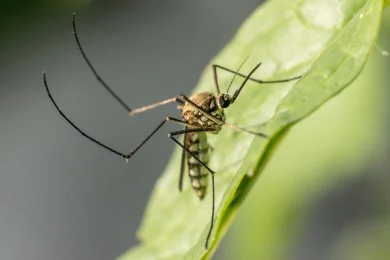
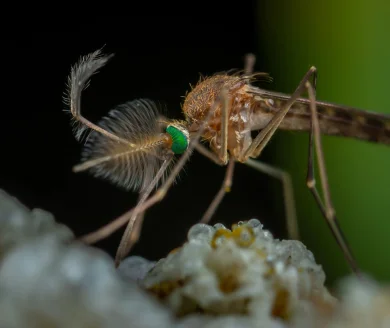
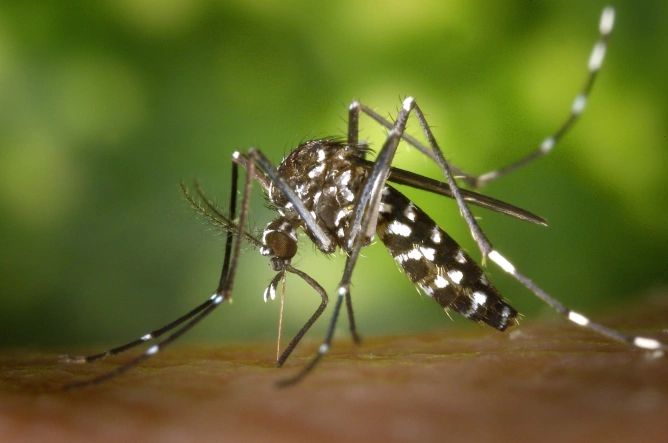
3. Longer, warm, and humid seasons allow invasive ticks to establish in regions where they were previously rare or absent, raising concerns about dengue, chikungunya, and West Nile virus.
4. Milder springs and autumns extend the activity period of ticks, which can transmit Lyme disease and tick-borne encephalitis.
5. Just over half of the member states have a national climate change adaptation plan, and ECDC believes clearer health measures are needed for the effects of extreme weather events.
Foodborne diseases are among the most common summer health problems. High temperatures can accelerate the multiplication of bacteria in food, especially when the cold chain is interrupted or food is left at warm temperatures for extended periods.
ECDC recommends maintaining hygiene during food preparation, washing fruits and vegetables before consumption, and ensuring sufficient cooking, especially in the case of meat. These measures reduce the risk of infection but do not replace food safety controls and proper storage at appropriate temperatures.
Another issue monitored by the agency is vibrio infections, caused by bacteria of the Vibrio genus. These thrive more easily in warm coastal waters with low salinity, such as certain areas of the Baltic Sea and estuaries where freshwater meets seawater.
Infection can occur when an open wound comes into contact with contaminated water or after consuming raw or undercooked seafood. People with cuts, scrapes, or recent piercings are advised to avoid swimming in high-risk areas, and seafood from these waters should be properly cooked.
ECDC has updated a visualization tool that estimates areas where water conditions may favor Vibrio bacteria. The tool does not confirm the existence of an infection in a specific location and does not replace warnings from national authorities, but indicates where the risk of exposure may be higher.
High temperatures and humidity also influence the spread of ticks. Longer warm seasons allow invasive species to survive and reproduce in European regions where they previously appeared rarely or were absent.
This expansion transforms tick-borne infections into an increasingly important concern for public health in Europe. ECDC mentions dengue, chikungunya, and West Nile virus, but the presence of ticks capable of transmitting a virus does not automatically mean that local transmission is occurring.
For local cases to arise, the pathogen must be introduced and transmitted by a competent vector under favorable conditions. International travel can bring cases to Europe, and the presence of ticks in the warm season can allow, under certain circumstances, further transmission.
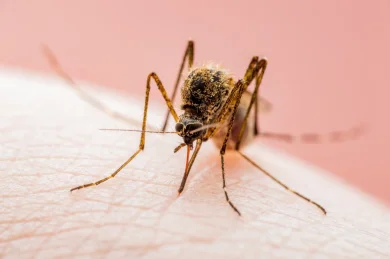
Recommended individual measures include using repellent products, wearing clothing that covers the skin, and using screens on windows or above beds. Eliminating standing water from containers, gutters, pots, and other areas near homes can reduce places where ticks reproduce.
Changes in the duration of seasons also affect tick activity. In many regions, milder springs and autumns extend the period during which they are active, increasing the interval during which people may be exposed in forests, parks, gardens, and other vegetated areas.
Infected ticks can transmit Lyme disease and tick-borne encephalitis, two distinct conditions. Lyme disease is caused by bacteria and can be treated with antibiotics, while tick-borne encephalitis is a viral infection for which there is a vaccine.
ECDC recommends wearing long pants and long-sleeved clothing during hikes or activities in vegetated areas. Checking the body and promptly and correctly removing ticks after spending time outdoors can reduce the risk of infection.
The agency links these changes to the need for long-term preparedness. Its recent assessments show that just over half of the member states have a national climate change adaptation plan, but the existence of a general plan does not guarantee that it includes sufficient measures for all effects on public health.
ECDC believes that states need to develop interventions dedicated to health risks posed by extreme temperatures and the changing distribution of pathogens and vectors. Preparedness includes epidemiological surveillance, data sharing, rapid outbreak identification, and coordination of responses between countries.
Risks cannot be managed solely by health authorities. The conditions under which infections occur are influenced by the environment, animals, food, water, urban planning, transport, and population behavior, necessitating cooperation across multiple domains.
This approach is known at the European level as One Health and is based on the connection between the health of people, animals, plants, and the environment. ECDC assesses its application in member states to identify preparedness deficiencies and the capacity of authorities to respond to threats that cross borders between sectors and countries.
Europe is the fastest-warming region of the World Health Organization, and changes in temperature and humidity are already altering the geographical range of some vectors. This process does not produce the same effects in all regions and does not allow for the automatic attribution of each disease case to a heat period.
The risk depends on the presence of the pathogen, the distribution of species that can transmit it, local conditions, and the degree of population exposure. Monitoring must be conducted at the local level and updated as new data emerges.
Latest News
12:16
12:02
11:59
11:56
11:51
See more news
NEWS ON THE SAME TOPICS