EPPO sends to trial eight defendants in Romania in a fraud case of 9 million euros involving medical equipment from the pandemic



Always see our news on Google
The European Public Prosecutor's Office accuses a network of manipulating public procurement for masks, disinfectants, and other medical equipment funded by EU funds, in a case with estimated damages of over 9 million euros.
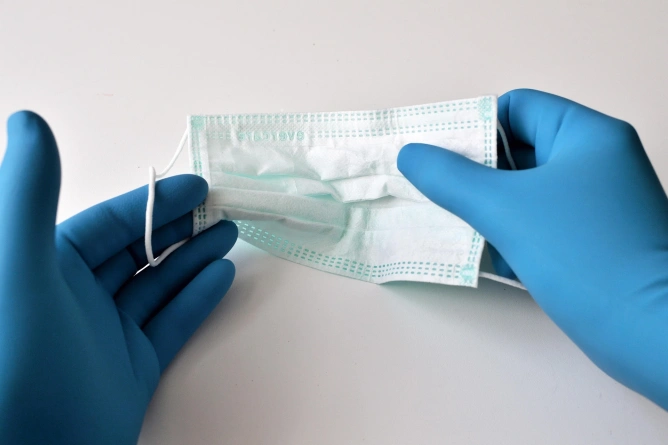
EPPO sends to trial eight defendants in Romania in a case of fraud of 9 million euros involving medical equipment from the pandemic. Displays the information of the image The case concerns 29 projects for the purchase of masks, disinfectants, and other medical materials during the pandemic, which EPPO claims were structured to favor predetermined suppliers and eliminate real competition.
The European Prosecutor's Office in Bucharest has sent to trial eight defendants, six individuals and two companies, in a case regarding fraud of approximately 9 million euros with European funds used for the purchase of protective medical equipment during the Covid-19 pandemic. According to EPPO, the case concerns the manipulation of public procurement procedures for masks, disinfectants, and other materials intended for hospitals, schools, and other local public entities.
In short EPPO has sent to trial eight defendants, six individuals and two companies, in a case of fraud with EU funds. The estimated damage to the European Union budget exceeds 9 million euros. The investigation concerns 29 projects for the purchase of masks, disinfectants, and other medical equipment. EPPO claims that two consulting firms were used to draft the applications and eliminate competition.
In a previous phase of the investigation, assets of approximately 3.6 million euros were seized.
According to European prosecutors, in 2020 and 2021, a criminal network was established that allegedly aimed to manipulate public procurement for protective medical equipment, so that contracts would reach predetermined suppliers, who the investigation claims were part of the scheme. EPPO states that 29 projects were awarded to representatives of companies that are members of the group, and two consulting firms, which were also indicted, were allegedly used to draft the applications and eliminate competition.
By controlling the preparation of documentation, the consulting firms allegedly structured the funding requests so that the purchases could be set at the maximum values allowed by the managing authority, limiting real competition and facilitating the abusive use of public funds. EPPO further claims that the same firms used false or inaccurate documents.
Funds for medical equipment came from the REACT-EU program, the European instrument created to support recovery and territorial cohesion in the context of the pandemic crisis. The European Prosecutor's Office estimates that the activities for which the defendants were sent to trial caused damages of over 9 million euros to the EU budget.
In a previous stage of the investigation, prosecutors seized assets of approximately 3.6 million euros to contribute to recovering the damages. EPPO describes the case as complex, involving home and computer searches, hearing over 250 witnesses, and other investigative measures in several countries.
The investigation benefited from the support of the European Anti-Fraud Office, the EPPO support structure in Romania, the Special Operations Directorate of the Romanian Police, and the Special Intervention Brigade of the Romanian Gendarmerie.
If found guilty, the individual defendants risk sentences ranging from three years to over ten years in prison. Companies can be sanctioned with fines and confiscation of assets, and the court may also impose additional penalties, including a ban on participating in public procurement procedures for a period ranging from three months to three years.
EPPO emphasizes that all individuals involved benefit from the presumption of innocence until a final ruling is made by the competent courts in Romania.
The case concerns public procurement made during the pandemic for essential health protection materials, an area where the pressure of urgency and the high volume of funding have increased the risks of fraud and abuse. In this case, EPPO links the alleged fraud to the REACT-EU program, an European instrument created to support recovery and territorial cohesion in the context of the Covid-19 crisis.
The European Prosecutor's Office is the independent institution of the European Union responsible for investigating, prosecuting, and bringing to trial crimes that affect the financial interests of the EU. The case in Bucharest falls within this competence, concerning the alleged fraudulent use of European funds intended for medical purchases.
https://2eu.brussels/ro/stiri/eppo-trimite-in-judecata-opt-inculpati-in-romania-intr-un-dosar-de-frauda-de-9-milioane-de-euro-cu-echipamente-medicale-din-pandemie

Latest News
23:01
22:57
22:53
22:50
22:43
See more news
NEWS ON THE SAME TOPICS
.webp)


.webp)




.webp)