
Context: Moldova had previously escalated its responses to Russian activities, including expulsions and warnings regarding drones
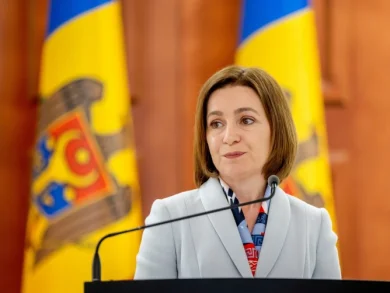
Before the announcement regarding the visa regime, Chișinău reacted on several occasions to incidents attributed to Moscow. President Maia Sandu stated at a security forum that Russia was trying to turn the Republic of Moldova into a “second Belarus,” mentioning, among other things, violations of airspace and attacks on infrastructure, while Prime Minister Vasile Tofan said that, although he did not see an immediate military incursion, Moscow was testing NATO states through drone overflights.
Also amid the tensions, Moldovan authorities declared an employee of the Russian Embassy persona non grata after a drone loaded with Russian-made “Geran” explosives crashed near homes in Telenești District, while Russia rejected the accusations and warned that the decision would not go unanswered.
In parallel, Chișinău also announced control measures targeting the separatist leader in Tiraspol, Vadim Krasnoselski, after he was reportedly decorated in Moscow, indicating a firm approach in relations with the actors involved in the conflict in the region.
Read also:


.webp)