Why tech companies are building cute robots, in the context of their increasing presence in everyday life



Always see our news on Google
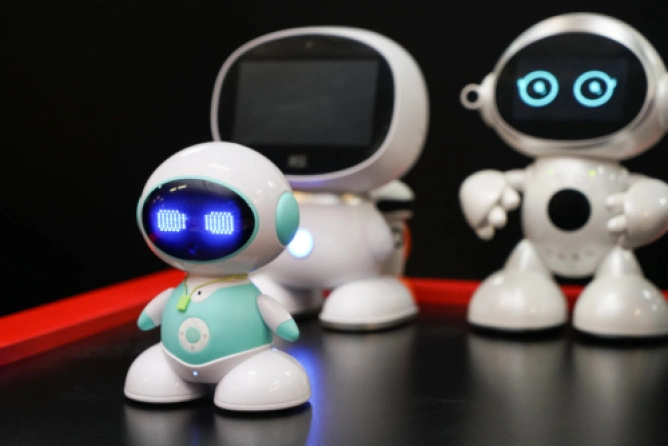
Robots are expanding from factories into homes and offices, and technology companies are facing a new challenge: user acceptance. The design of robots, such as Dot from DoorDash, prioritizes psychological aspects, such as round shapes and large eyes, to reduce fear and encourage human interaction.
This approach also extends to other devices, such as the interactive lamp Ongo, which becomes more of a character than just a simple tool. As AI becomes more physically present, the risks of emotional attachment increase, especially in sensitive environments. Companies must maintain a balance between engagement and transparency. Additionally, the design must avoid the "uncanny valley," where robots look almost human, but not quite enough.
As the robotics industry advances, success will depend on trust, emotional design, and ethics. Technology leaders must ask how users perceive their physical AI systems and whether their design facilitates acceptance.

Latest News
19:09
19:05
19:00
18:48
18:48
See more news
NEWS ON THE SAME TOPICS
.webp)