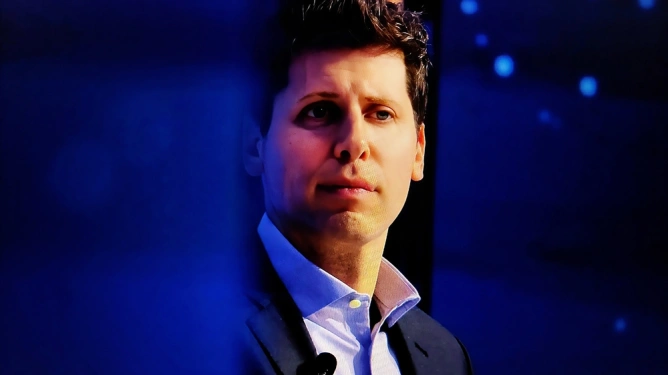
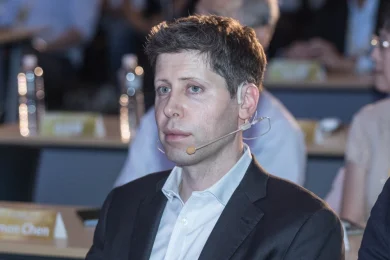
Sam Altman, CEO of OpenAI, states that artificial intelligence will not reduce the workweek, despite the increase in productivity.
Lara Maior


IT&C knowledge
FotoField / Shutterstock.com

Always see our news on Google
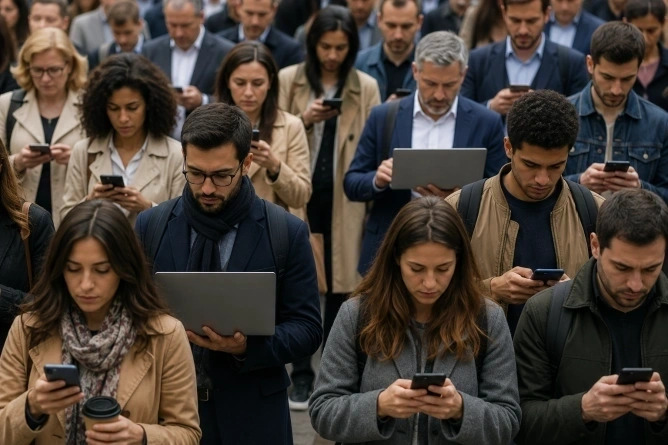
In a recent interview, Sam Altman, the CEO of OpenAI, discussed the impact of artificial intelligence on the workweek. Although technology has improved employees' lives and gives them more free time, Altman emphasizes that it will not usher in an era of a four-day workweek for most people. He explained that, although people now have more time for relaxation and a better quality of life, there will not be a fundamental change in the labor market. As productivity increases, people's expectations rise as well, leading to greater time occupation. Altman suggests that, despite complaints about the workload, people will find happiness in their activities. The idea of shorter workweeks gained popularity after the pandemic, in response to employee burnout and the desire to give them more control over their schedules.
Sources

Sam Altman, CEO-ul OpenAI, demontează un mit despre inteligența artificială: "Nu va inaugura epoca de aur a săptămânii de lucru de patru zile

Sam Altman, CEO al OpenAI, a afirmat că inteligența artificială nu a dus la apariția săptămânilor de lucru de patru ore, deoarece oamenii sunt competitivi
Latest News
12:02
Carrefour cuts its 2026 forecasts after violence in France
11:59
ANSVSA imposed fines of 1.55 million lei following inspections in the food industry
11:56
Police officers from Ialomița are conducting 29 searches in a tax evasion case. Eleven people will be brought in for questioning.
11:51
Cătălin Drulă accuses SRI of intimidation and anti-democratic reflexes following the agency’s response to statements by Ludovic Orban
11:49
Dominic Fritz susține că Sorin Grindeanu va conduce noul Guvern și avertizează asupra atacurilor împotriva foștilor miniștri USR
See more news
NEWS ON THE SAME TOPICS



Personalized news feed, AI-powered search, and notifications in a more interactive experience.










.webp)