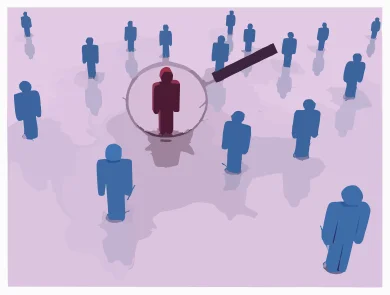
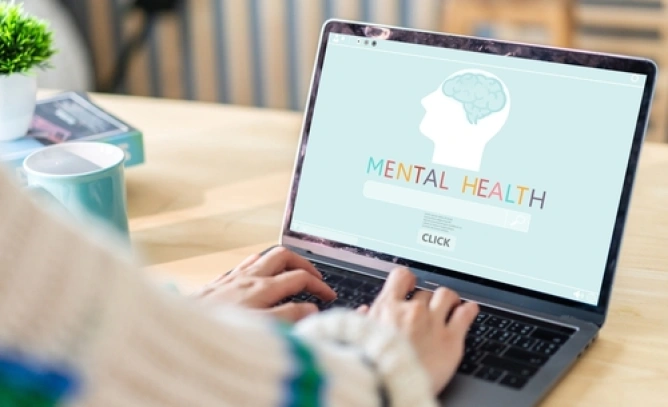
Disinformation about mental health is significantly spread on social media, according to a study



Always see our news on Google
A recent study highlighted a significant problem on social platforms: inaccurate and misleading content related to mental health. The analysis reviewed 5,000 posts regarding ADHD, autism, depression, anxiety, OCD, and eating disorders, finding that 56% of them contained unvalidated or incorrect information. The highest levels of misinformation were observed in content related to neurodiversity, suggesting that popular narratives about ADHD and autism are often distorted. The study included 27 research projects on platforms such as TikTok, YouTube, Facebook, Instagram, and X, with TikTok having the highest rates of misinformation, at 52% for ADHD and 41% for autism. This trend is concerning, given that young people are increasingly using social media to understand symptoms and self-diagnose. Inaccurate information can lead to misinterpretations of normal behaviors and can delay access to appropriate medical care. The World Health Organization emphasizes that one in seven young people aged 10 to 19 suffers from a mental disorder, making them vulnerable to misleading information. Representatives of social platforms contest these findings, with TikTok calling the study flawed and highlighting its efforts to eliminate misinformation.

Latest News
10:25
10:25
10:09
09:45
09:28
See more news
NEWS ON THE SAME TOPICS