The European Commission proposes banning social media access for children under 13 and requiring parent-supervised accounts until age 15



Always see our news on Google
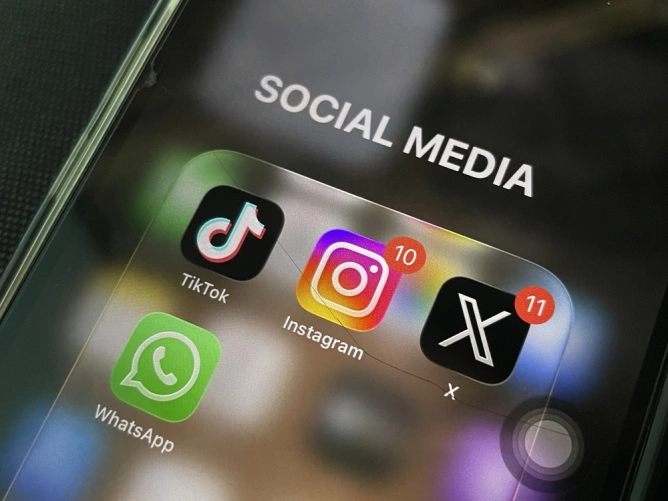
On Thursday, the European Commission proposed banning children under 13 from accessing social media and requiring parent-supervised accounts until the age of 15. The measure could become the world’s broadest restriction of its kind, applying to approximately 450 million residents of the European Union.
To implement the rules, Brussels is developing a free, open-source age-verification application. The tool will tell the platform only whether the user meets the required age threshold, without revealing their identity. The code can be independently verified, and the system does not involve a central database containing ages, identity documents, or biometric data.
Users will prove their age only once to a nationally designated issuer, such as a digital identity provider, a bank, or a post office. Each proof will be usable only once, in order to limit the tracking of online activity.
The application is being tested in Cyprus, Denmark, France, Greece, Ireland, Italy, and Spain, and the Commission estimates that it will be available throughout the EU by the end of 2026. Platforms that fail to comply with the rules could be sanctioned under the Digital Services Act, with fines of up to 6% of global turnover.
The proposal must be approved by the member states and the European Parliament. The initiative follows Australia’s model, which set the minimum age at 16 but left platforms to create their own verification methods. Differences between states and court decisions, including the blocking of a similar ban in France, could influence the law’s final form.
Sources


Latest News
19:08
18:51
18:45
18:35
18:25
See more news
NEWS ON THE SAME TOPICS



.webp)