American teenagers use AI not only for studying but also for emotional support, according to a recent report.



Always see our news on Google
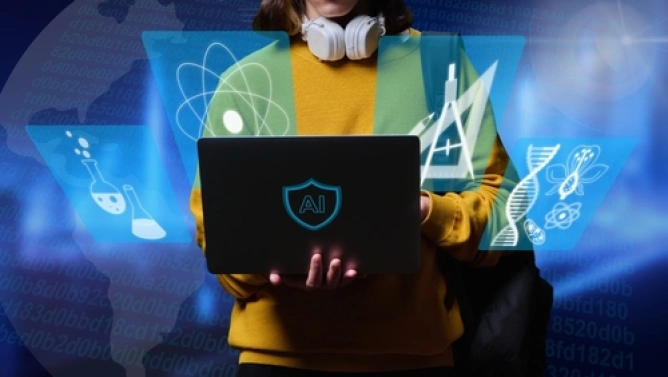
Artificial intelligence (AI) has evolved from a simple productivity tool to an emotional companion for teenagers in the U.S., according to a recent report by the Pew Research Center. While most teenagers use it for information and homework help, 16% admit to interacting with chatbots for casual conversations, and 12% seek emotional support. This trend has raised concerns among mental health professionals, who warn that dependence on AI can lead to social isolation. There is a discrepancy between parents' and teenagers' perceptions; while 64% of teenagers use chatbots, only 51% of parents believe this is happening. Acceptance significantly decreases when AI is used for emotional support, with only 18% of parents approving of this use. This highlights a broader challenge regarding digital literacy. The AI industry is responding to these challenges, with some companies restricting minors' access to chatbots, while others are withdrawing criticized models for inappropriate behaviors. Teenagers are ambivalent about the long-term impact of AI, with 31% believing it will be positive and 26% negative. This reality compels tech leaders to reconsider the design and responsible use of AI systems, given that they are becoming increasingly relational.

Latest News
22:57
22:46
22:39
22:25
21:55
See more news
NEWS ON THE SAME TOPICS