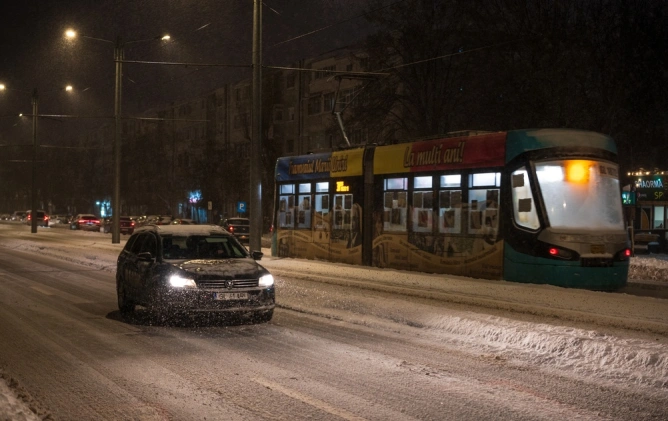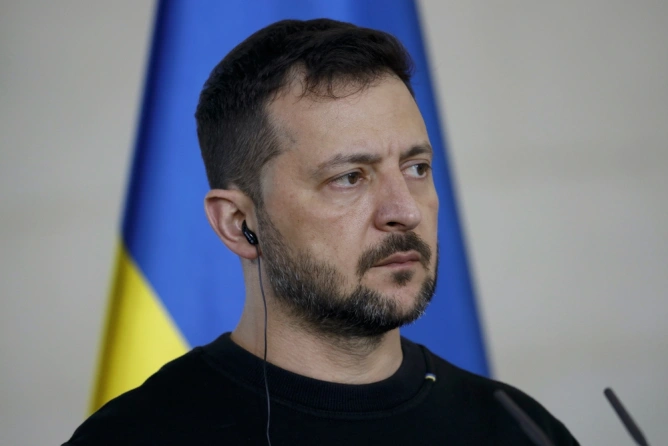

Before the announced decision, Zelensky described the intensification of strikes on Ukrainian infrastructure: Russia attacked more than 15 energy facilities, while Kyiv claimed that the targets were intended to cause power outages and extensive disruptions to electricity and heating supplies before winter. During the period he indicated (October 16, 19:00, – October 17, 07:00), more than 320 drones were used, including Shahed drones and “loitering” munitions, as well as cruise and ballistic missiles.
Zelensky also linked the attacks to a strategy of destabilizing civilian life, after Russia struck a business center in Kyiv and then targeted a data center, leaving approximately 100,000 households without internet in the capital and the region. According to Ukrainian authorities, such strikes can also affect the transmission of alerts regarding missiles and drones.
At the same time, Kyiv conditioned discussions on halting the attacks on “reciprocity”: Zelensky said that Ukraine would be prepared to stop striking energy facilities in Russia only if Moscow did the same and there were real guarantees that the agreement would be respected. The dispute arose after Trump reportedly asked Kyiv to abandon strikes on Russian facilities that produce diesel fuel.